
Boiling peppers might seem simple, but achieving the ideal texture and flavor requires a bit of know-how. Whether you’re using them in a salad, stir-fry, or another dish, understanding the boiling process will elevate your culinary creations.
Boiling Times for Different Peppers
The boiling time for peppers varies depending on the type and your desired tenderness:
- Bell Peppers: These popular peppers take about 5-7 minutes to become tender but still retain a slight crunch.
- Hot Peppers (e.g., jalapeños, serranos): Typically, smaller hot peppers take 3-5 minutes to soften.
- Larger Hot Peppers (e.g., poblanos): Expect 5-7 minutes of boiling time.
Factors Influencing Boiling Time
- Size: Larger peppers naturally take longer to cook through than smaller ones.
- Thickness: Thicker-walled peppers will require more time in the boiling water.
- Desired Tenderness: Do you want your peppers crisp-tender or very soft? Adjust the cooking time accordingly.
Pre-Boiling Tips
- Washing: Thoroughly wash peppers under cold running water to remove any dirt or debris.
- Stem and Seed Removal: Cut off the tops of the peppers and use a spoon or your fingers to remove the seeds and membranes inside.
- Cutting: Decide on your preferred shape. You can cut them into strips, or rings, or dice them.
Boiling Process
- Pot and Water: Fill a pot with enough water to cover the peppers completely. Add a pinch of salt to enhance flavor.
- Boiling Water: Bring the water to a rolling boil over high heat.
- Adding the Peppers: Carefully add the prepared peppers to the boiling water.
- Cooking: Reduce heat to maintain a simmer and cook for the appropriate amount of time (refer to the table above).
- Testing for Doneness: After the initial cooking time, check the peppers with a fork. They should be easily pierced but still have some firmness. If you want them softer, continue boiling for a minute or two longer.
- Draining and Cooling (Optional): If using the peppers in a cold dish, drain them and immediately plunge them into ice water to stop the cooking process and preserve their vibrant color.
After Boiling: Serving and Storage
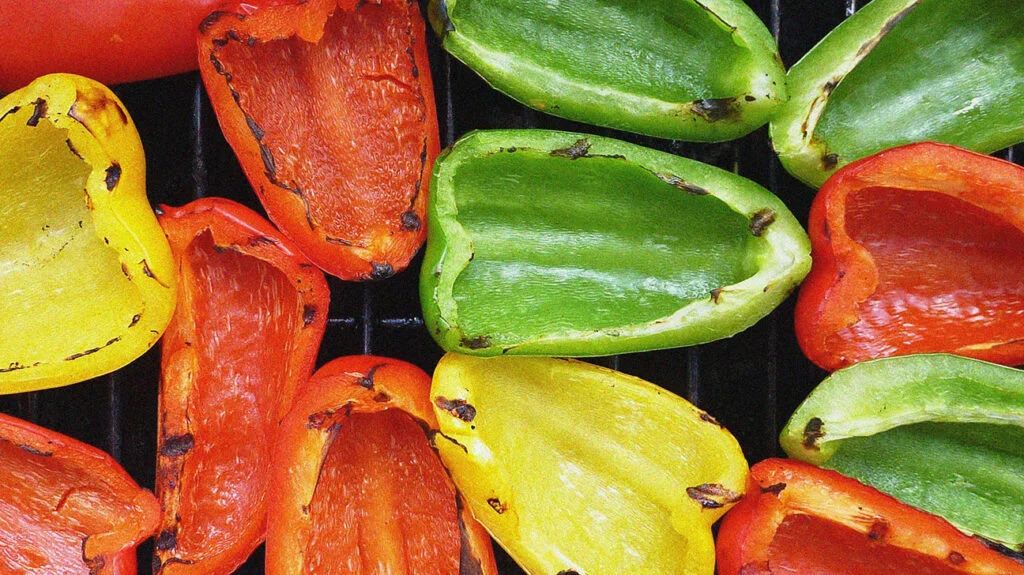
- Serving: Boiled peppers are versatile! Use them in salads, sandwiches, stir-fries, or as a topping for pizzas and tacos. You can also blend them into sauces or dips.
- Storage: Refrigerate leftover boiled peppers in an airtight container for up to 3-4 days.
Common Mistakes to Avoid
- Overcooking: Overcooked peppers become mushy and lose their flavor. Keep a close eye on them and test for doneness frequently.
- Using Too Little Water: Ensure the peppers are fully submerged in water while boiling.
- Not Salting the Water: A pinch of salt enhances the peppers’ natural flavor.
Additional Tips
- For a smoky flavor, char the peppers over an open flame or under the broiler before boiling.
- Blanching peppers (briefly boiling and then shocking them in ice water) is a great way to preserve their texture and color for later use.
By following these guidelines, you’ll be able to confidently boil peppers to perfection, adding a burst of flavor and color to your favorite dishes. Whether you’re a seasoned cook or a beginner, this comprehensive guide will help you master the art of pepper boiling.