
Cornmeal, a versatile staple derived from ground-dried corn, holds a special place in kitchens around the world. Whether you’re whipping up a comforting bowl of grits or adding a touch of texture to baked goods, understanding the cornmeal boiling time and employing the right techniques is crucial for achieving perfect results. Let’s delve into the intricacies of cornmeal boiling, from preparation to serving.
Cornmeal Boiling Time: Before Boiling Cornmeal, Preparation is Key
- Choosing the Right Cornmeal: Cornmeal comes in various grinds, each suited for specific culinary applications. Fine-ground cornmeal is ideal for smooth polenta or delicate cakes, while medium or coarse-ground cornmeal works well for grits or cornbread with a bit more texture.
- Liquid-to-Cornmeal Ratio: The ratio of liquid to cornmeal is critical for achieving the desired consistency. A general guideline is 4 cups of liquid to 1 cup of cornmeal for creamy grits or polenta. For a thicker texture, reduce the liquid slightly.
- Flavor Enhancers: While boiling cornmeal in plain water is acceptable, infusing the liquid with flavor can elevate your dish. Consider using stock (vegetable, chicken, or beef), milk, or even a combination of liquids for a richer taste. A pinch of salt is also recommended.
Cornmeal Boiling Time: Achieving the Perfect Consistency
- Bring the Liquid to a Boil: Start by bringing your chosen liquid to a rolling boil in a heavy-bottomed pot.
- Slowly Whisk in Cornmeal: Once the liquid is boiling, gradually whisk in the cornmeal. Whisking continuously helps prevent lumps from forming.
- Reduce Heat and Simmer: After adding the cornmeal, reduce the heat to low and let the mixture simmer, uncovered. The simmering time will vary depending on the grind and desired consistency.
- Stir Frequently: During the simmering process, stir the cornmeal frequently to prevent it from sticking to the bottom of the pot and burning.
- Adjust Consistency: If the cornmeal becomes too thick, add a bit more liquid. Conversely, if it’s too thin, continue simmering until the excess liquid evaporates.
General Cornmeal Boiling Time Guidelines
- Fine-ground Cornmeal: Typically takes 15-20 minutes to cook. It results in a smooth and creamy texture, perfect for polenta or porridge.
- Medium-ground Cornmeal: Requires around 20-30 minutes of simmering. This grind yields a slightly coarser texture, suitable for grits or cornbread.
- Coarse-ground Cornmeal: Needs the longest cooking time, usually 45-60 minutes. The result is a hearty and textured dish, ideal for rustic polenta or cornbread.
After Boiling: Tips and Serving Ideas
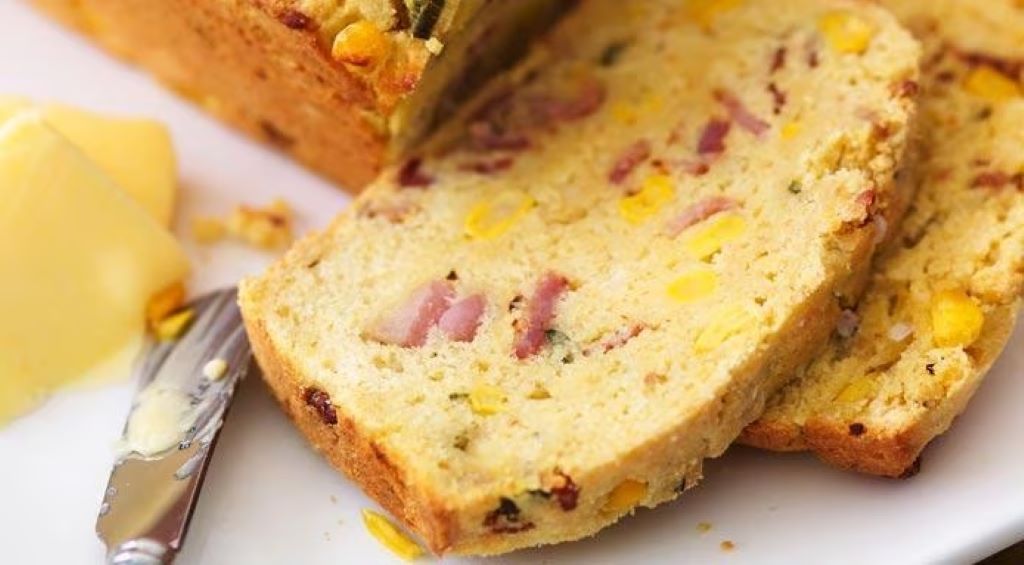
- Enhancements and Garnishes: Once the cornmeal is cooked, you can stir in additional ingredients to boost flavor and texture. Consider butter, cheese, herbs, spices, or even a drizzle of honey or maple syrup for a touch of sweetness.
- Savory Options: Serve creamy polenta as a bed for roasted vegetables, grilled meat, or a hearty stew. Grits pair beautifully with shrimp, sausage, or a fried egg for a classic Southern breakfast.
- Sweet Indulgences: Cooked cornmeal can also be used in desserts. Try it in cornmeal cakes, muffins, or even as a topping for fruit crumbles.
- Reheating Leftovers: Leftover cornmeal can be reheated on the stovetop with a bit of additional liquid. Microwave reheating is also possible, but be sure to add a splash of liquid and stir frequently to avoid dryness.
Mastering North African Catfish Boiling: A Comprehensive Guide
Valuable Insights for the Experienced Cook
- Toasting Cornmeal: For an extra layer of flavor, consider toasting the cornmeal in a dry skillet before boiling. This enhances the nutty notes and adds depth to your dish.
- Experiment with Liquids: Don’t be afraid to experiment with different liquids to achieve unique flavors. Try coconut milk for a tropical twist, or use a blend of milk and stock for added richness.
- Creative Additions: Incorporate vegetables, beans, or other grains into your cornmeal while it’s simmering to create a complete and satisfying meal.
- Texture Variations: If you prefer a smoother texture, you can blend cooked cornmeal briefly with an immersion blender.
Related: Mastering Mung Beans: Boiling Times, Tips, and Delicious Serving Ideas
Conclusion
Boiling cornmeal may seem simple, but mastering the technique and understanding the nuances can significantly impact the outcome of your dish. By following the tips and guidelines outlined in this article, you’ll be well on your way to creating delicious and satisfying cornmeal creations that impress your taste buds and showcase the versatility of this humble ingredient. Remember, the key is to experiment, have fun, and enjoy the process of culinary exploration.