
Beef tongue, while perhaps an unconventional cut, offers a unique and flavorful culinary experience. When prepared properly, it boasts a melt-in-your-mouth tenderness. The foundation of this lies in boiling the tongue, and understanding the correct beef tongue boiling time is essential—a process that necessitates precise timing and attention to detail. This guide will not only provide you with the ideal boiling time but also delve into before and after boiling tips, ensuring you’re equipped to transform a beef tongue into a delectable dish.
Beef Tongue Boiling Time Demystified
The boiling time for beef tongue is contingent upon its size. However, as a general rule, you should allocate roughly 2 to 4 hours of simmering time.
Here’s a more specific breakdown based on weight:
- Small Tongue (1-2 pounds): Approximately 2-2.5 hours
- Medium Tongue (2-3 pounds): Roughly 2.5-3 hours
- Large Tongue (3-4 pounds): Around 3-4 hours
It’s imperative to remember that these are estimates. The true indicator of doneness is the ease with which the skin peels off. Once the tongue is sufficiently boiled, the skin should slide off effortlessly.
Beef Tongue Boiling Time: Essential Preparation
Before plunging your beef tongue into the pot, a few preparatory steps are crucial.
- Thorough Cleaning: Rinse the tongue under cold running water, ensuring all blood and impurities are removed.
- Soaking (Optional): While not mandatory, soaking the tongue in cold water for a few hours or overnight can aid in eliminating any lingering odor.
- Trimming: Remove any excess fat or gristle from the tongue.
Beef Tongue Boiling Time: Key Considerations
- Pot Size: Choose a pot large enough to comfortably accommodate the tongue and allow for ample water circulation.
- Water Level: Ensure the tongue is fully submerged in water.
- Aromatics: Enhance the flavor by adding aromatics to the boiling water. Common choices include onions, carrots, celery, bay leaves, peppercorns, and garlic.
- Simmering: Maintain a gentle simmer throughout the boiling process. Avoid a rolling boil, as this can toughen the meat.
- Skimming: Periodically skim off any foam or impurities that rise to the surface of the water.
- Checking Doneness: As the estimated boiling time approaches, start checking for doneness by attempting to peel off a small section of the skin. If it comes off easily, the tongue is ready. If not, continue simmering and check again in 15-minute intervals.
After Boiling: Peeling and Beyond
Once the tongue is boiled, it’s time to peel off the skin.
- Immediate Transfer: Transfer the boiled tongue to a bowl of ice water. This rapid cooling will make the skin easier to remove.
- Peeling: Using a sharp knife, gently peel off the skin. It should come off in large sections. If you encounter resistance, the tongue may require additional boiling.
- Trimming (Optional): After peeling, you can trim away any remaining fat or gristle.
Serving Suggestions: Unleashing the Flavor
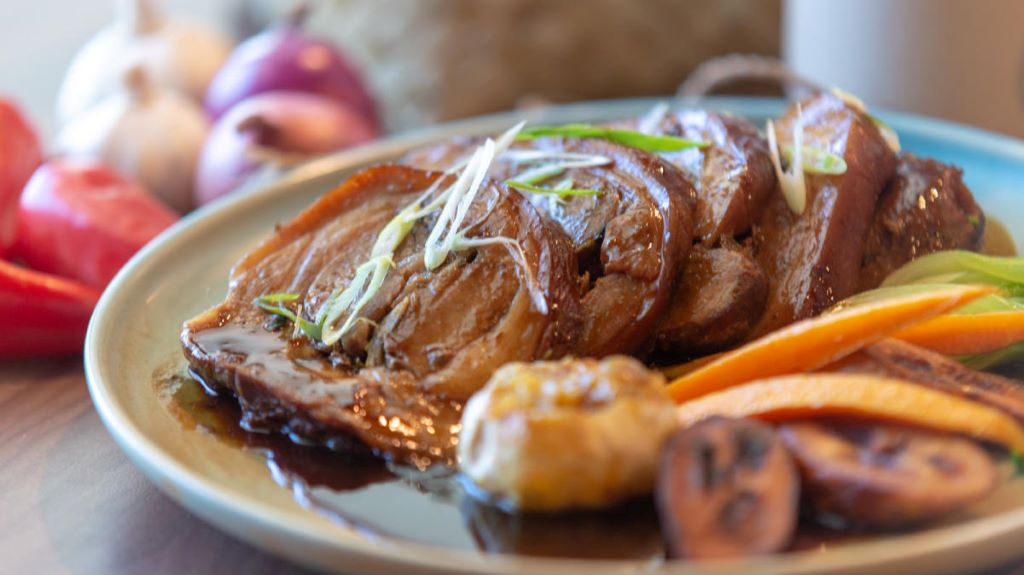
Boiled beef tongue serves as a versatile canvas for various culinary creations.
- Sliced and Served Cold: This is the most traditional way to enjoy beef tongue. Thinly slice the tongue and serve it cold with a dollop of horseradish cream or mustard sauce.
- Tacos: Shred the beef tongue and use it as a filling for tacos. Top with your favorite salsa, onions, and cilantro.
- Hash: Dice the beef tongue and combine it with potatoes, onions, and peppers to create a hearty hash.
- Stew: Add chunks of beef tongue to a rich and flavorful stew.
Helpful Tips and Ideas
- Pressure Cooker: If you’re short on time, consider using a pressure cooker. Reduce the cooking time to approximately 45-60 minutes, depending on the size of the tongue.
- Freezing: Boiled beef tongue can be frozen for later use. Wrap it tightly in plastic wrap and then in aluminum foil before freezing.
- Brining: For added flavor and tenderness, brine the tongue in a saltwater solution overnight before boiling.
- Experiment: Don’t be afraid to experiment with different flavors and seasonings. Beef tongue pairs well with a variety of herbs and spices.
Related: Perfect Parboiled Rice: Mastering the Boiling Time and Serving Process
Conclusion
Boiling beef tongue may initially seem daunting, but armed with this comprehensive guide, you’re now well-prepared to embark on this culinary adventure. Remember, patience and attention to detail are key. With the right timing and techniques, you’ll be rewarded with a succulent and flavorful dish that will impress even the most discerning palates.