
Imagine stepping into a cozy cabin, the warmth of the fireplace enveloping you, and the rich, textured wood floors beneath your feet. Sounds inviting, right? That’s the charm of rustic wood flooring. It brings a sense of nature and history into your home, making every step a journey back in time. But how do you choose the right rustic wood flooring for your space? And how do you maintain its beauty? Let’s dive into the world of rustic wood flooring and uncover everything you need to know to make an informed decision.
What is Rustic Wood Flooring?
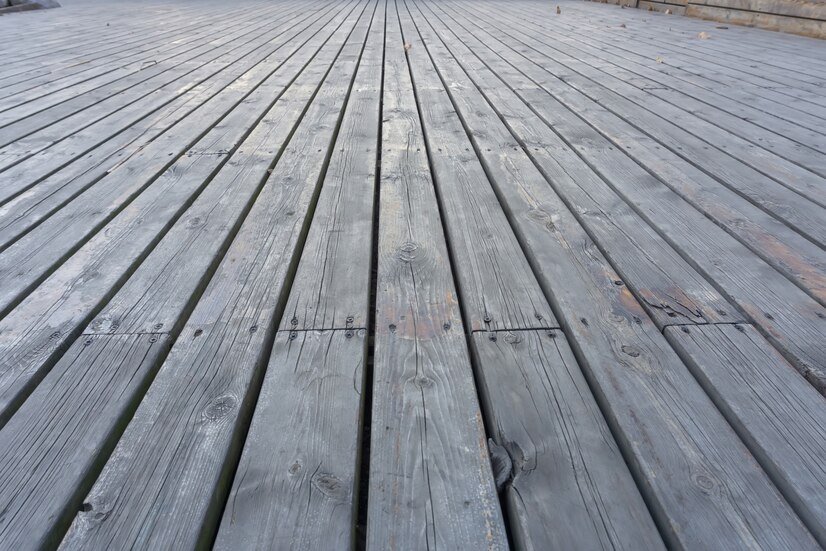
Defining Rustic Wood Flooring
Rustic wood flooring is all about embracing the natural imperfections of wood. Unlike other types of flooring that aim for a uniform look, rustic wood celebrates knots, grain variations, and even minor blemishes. This gives each plank a unique character, adding to the overall charm of your home.
Types of Rustic Wood Flooring
There are several types of rustic wood flooring, each with its own unique characteristics:
- Solid Hardwood: Made from a single piece of wood, solid hardwood is durable and can be refinished multiple times.
- Engineered Hardwood: Composed of a top layer of real wood and multiple layers of plywood, engineered hardwood is more stable and resistant to moisture.
- Reclaimed Wood: Sourced from old buildings and barns, reclaimed wood has a rich history and unique patina that can’t be replicated.
Benefits of Rustic Wood Flooring
Aesthetic Appeal
Rustic wood flooring adds a warm, inviting feel to any room. The natural imperfections and variations in the wood create a unique, lived-in look that’s hard to achieve with other types of flooring.
Durability
Rustic wood flooring is incredibly durable. Solid hardwood can last for decades with proper care, and engineered hardwood is designed to withstand changes in temperature and humidity.
Versatility
Rustic wood flooring works well in a variety of settings, from traditional homes to modern spaces. It pairs beautifully with other natural materials like stone and metal, creating a cohesive, harmonious look.
Choosing the Right Rustic Wood Flooring
Consider Your Lifestyle
When choosing rustic wood flooring, consider your lifestyle and the level of foot traffic in your home. If you have pets or young children, you might want to opt for a harder wood species like oak or hickory, which are more resistant to scratches and dents.
Think About Maintenance
Rustic wood flooring requires regular maintenance to keep it looking its best. This includes sweeping or vacuuming to remove dirt and debris, and occasionally mopping with a damp cloth. Avoid using harsh chemicals or abrasive cleaners, as these can damage the wood.
Budget
Rustic wood flooring can vary widely in price, depending on the type of wood and the quality of the finish. Reclaimed wood tends to be more expensive due to its unique character and history, while engineered hardwood is often more affordable.
Installation Process
Preparing the Subfloor
Before installing rustic wood flooring, it’s important to prepare the subfloor. This involves cleaning the surface, removing any old flooring, and ensuring the subfloor is level and dry.
Acclimating the Wood
Wood is a natural material that expands and contracts with changes in temperature and humidity. To prevent issues after installation, it’s important to acclimate the wood to your home’s environment. This typically involves storing the wood in the room where it will be installed for several days.
Installation Methods
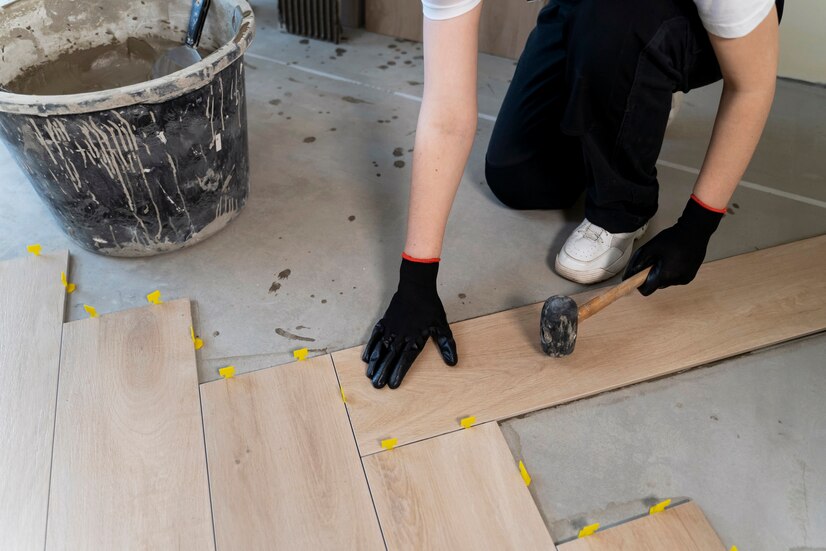
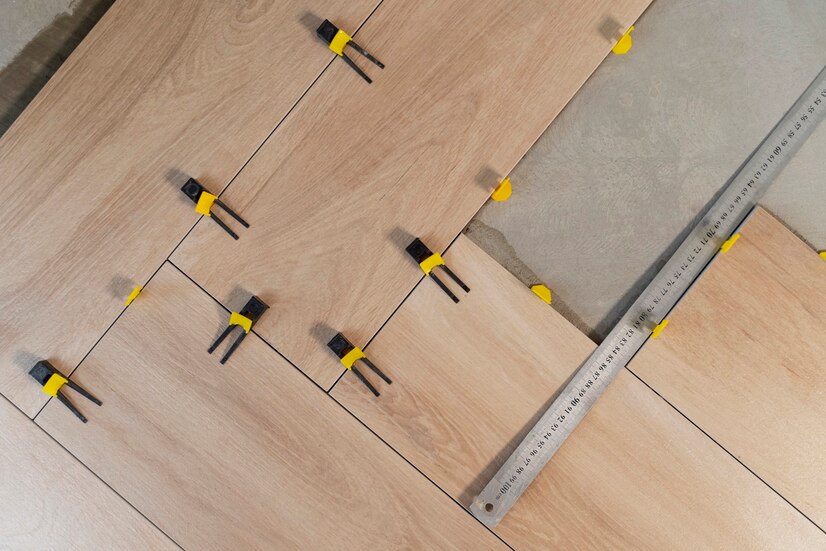
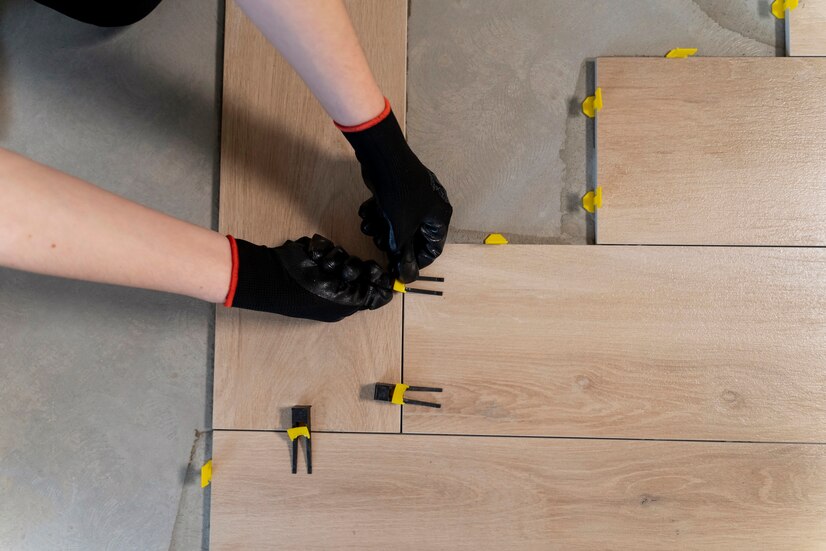
There are several methods for installing rustic wood flooring, including:
- Nail-Down: This method involves nailing the wood planks directly to the subfloor. It’s a popular choice for solid hardwood flooring.
- Glue-Down: This method involves gluing the wood planks to the subfloor. It’s often used for engineered hardwood flooring.
- Floating: This method involves interlocking the wood planks and laying them over a foam underlayment. It’s a good option for DIY installations.
Maintaining Rustic Wood Flooring
Regular Cleaning
To keep your rustic wood flooring looking its best, it’s important to clean it regularly. This includes sweeping or vacuuming to remove dirt and debris, and occasionally mopping with a damp cloth. Avoid using harsh chemicals or abrasive cleaners, as these can damage the wood.
Preventing Damage
To prevent damage to your rustic wood flooring, use felt pads under furniture legs and avoid dragging heavy objects across the floor. Place rugs or mats in high-traffic areas to protect the wood from scratches and dents.
Refinishing
Over time, your rustic wood flooring may develop scratches and wear. Refinishing involves sanding down the surface of the wood and applying a new finish. This can restore the wood’s natural beauty and extend its lifespan.
Conclusion
Rustic wood flooring is a timeless choice that adds warmth and character to any home. With its natural imperfections and unique charm, it’s a flooring option that stands out from the rest. By choosing the right type of wood, considering your lifestyle, and maintaining it properly, you can enjoy the beauty of rustic wood flooring for years to come. So, are you ready to bring a touch of nature into your home?