
Veal, renowned for its delicate flavor and tender texture, lends itself beautifully to boiling. This cooking method, when executed correctly, results in succulent meat perfect for various culinary creations. Whether you’re a seasoned cook or a novice in the kitchen, understanding the nuances of veal boiling time, along with pre-and post-boiling tips, is key to achieving optimal results.
Veal Boiling Time: The Foundation of Flavorful Meat
The boiling time for veal varies depending on the cut and size of the meat. However, a general rule of thumb is to boil veal for approximately 30-45 minutes per pound. This ensures that the meat is cooked through while retaining its tenderness.
- Veal Shanks: These cuts, often used for osso buco, require longer boiling times due to their size and bone content. Expect to boil veal shanks for around 2-3 hours or until the meat is fork-tender.
- Veal Shoulder: Another larger cut, the veal shoulder, benefits from a longer boiling time of approximately 1.5-2 hours. This allows the connective tissues to break down, resulting in tender, flavorful meat.
- Veal Cubes: Ideal for stews and casseroles, veal cubes typically require 45-60 minutes of boiling time. The smaller size of the cubes allows for faster cooking while still ensuring the meat is cooked through.
It’s important to note that these are estimated boiling times. The actual cooking time may vary depending on the thickness of the meat and your desired level of tenderness. Always use a meat thermometer to ensure the internal temperature of the veal reaches 145°F (63°C) for safe consumption.
Veal Boiling: Pre-Boiling Tips – Setting the Stage for Success
Before you embark on the veal boiling journey, a few pre-boiling tips can significantly enhance the outcome.
- Browning: While not mandatory, browning the veal in a hot skillet before boiling can add depth of flavor and a beautiful golden crust to the meat.
- Aromatics: Incorporating aromatics such as onions, carrots, celery, and herbs into the boiling liquid infuses the veal with subtle flavors, elevating the overall taste profile.
- Simmering: Once the veal reaches a boil, reduce the heat to a gentle simmer. This prevents the meat from becoming tough and ensures even cooking.
- Skimming: Periodically skim the surface of the boiling liquid to remove any impurities that may rise to the top. This helps maintain a clear and flavorful broth.
Veal Boiling: Post-Boiling Ideas – Unleashing Culinary Creativity
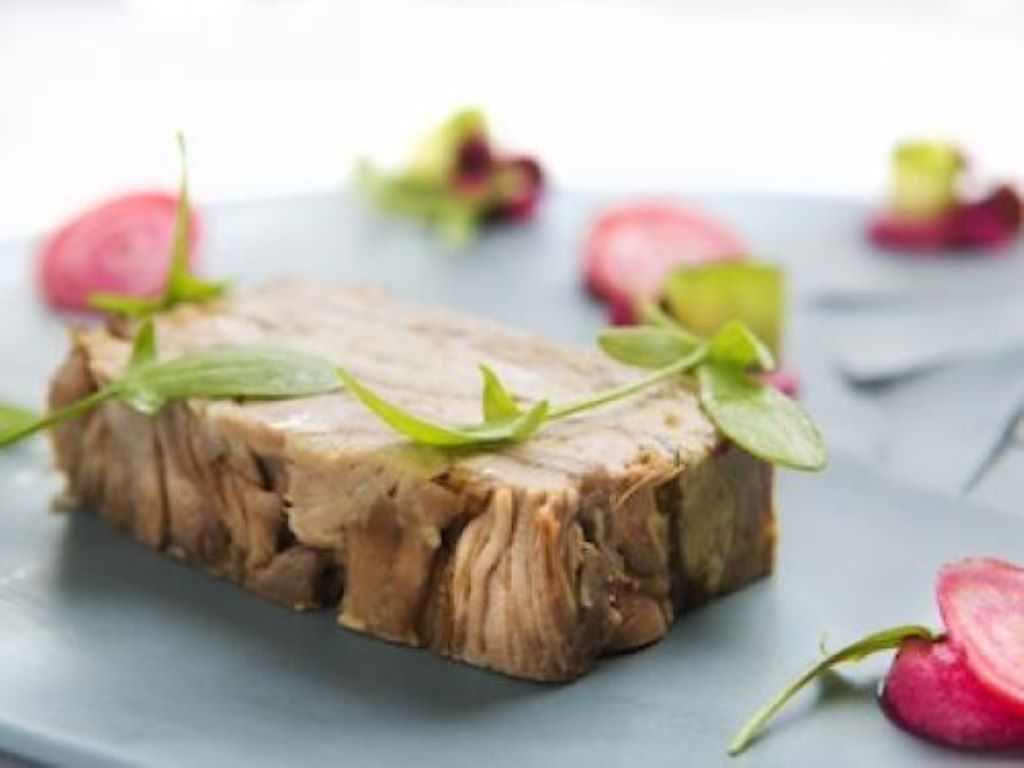
Once the veal is perfectly boiled and tender, the possibilities are endless. Here are a few post-boiling ideas to spark your culinary creativity.
- Classic Veal Stew: Combine the boiled veal with vegetables, herbs, and a rich broth for a comforting and hearty stew.
- Veal and Pasta: Toss the shredded veal with your favorite pasta, sauce, and cheese for a satisfying and flavorful meal.
- Salad: Create a refreshing salad by combining the chilled veal with crisp vegetables, herbs, and a light vinaigrette.
- Veal Sandwiches: Shred the veal and serve it on crusty bread with your favorite condiments for a delicious and satisfying sandwich.
Serving the Perfect Veal: Presentation Matters
The way you serve boiled veal can significantly enhance the overall dining experience. Consider these tips for an appealing presentation.
- Garnish: Fresh herbs, a drizzle of olive oil, or a sprinkle of grated cheese can add visual appeal and a touch of freshness to the dish.
- Accompaniments: Serve the veal with complementary sides such as mashed potatoes, roasted vegetables, or a simple salad.
- Temperature: Serve the veal hot or cold, depending on the recipe and your personal preference.
Beyond Boiling: Exploring Other Cooking Methods
While boiling is a fantastic way to cook veal, don’t be afraid to experiment with other cooking methods. Braising, roasting, and grilling can also yield delicious results, each offering a unique flavor profile and texture.
Related: Mastering the Art of Boiling Duck Meat: A Comprehensive Guide
Conclusion
Mastering the art of veal boiling opens up a world of culinary possibilities. By understanding the ideal boiling time, implementing pre- and post-boiling tips, and exploring creative serving ideas, you can consistently achieve tender, flavorful veal that delights the palate. Remember, the key is to prioritize quality ingredients, pay attention to detail, and embrace the joy of cooking. With practice and experimentation, you’ll soon become a veal-boiling expert, impressing your family and friends with your culinary prowess.