
In a world increasingly conscious of sustainability, food security, and the simple joy of connecting with nature, home gardening has experienced a remarkable resurgence. From sprawling suburban backyards to compact urban balconies, people are finding solace and sustenance in cultivating their own green spaces. But amidst the myriad of techniques and approaches, one question consistently surfaces: What is the most popular home gardening method today?
While pinpointing a single, universally dominant method is challenging, a clear trend emerges: container gardening, with its versatility, accessibility, and adaptability, has surged to the forefront of home gardening popularity. This isn’t merely a passing fad; it reflects a profound shift in how we perceive and interact with our living spaces, particularly in an era defined by urbanization and space constraints.
Container Gardening: A Symphony of Adaptability and Convenience
Container gardening, in its essence, involves growing plants in any type of container, be it pots, raised beds, repurposed buckets, or even vertical planters. This seemingly simple concept unlocks a world of possibilities, making gardening accessible to individuals regardless of their living situation. The method’s popularity stems from a confluence of factors that resonate deeply with modern lifestyles.
-
Unparalleled Flexibility and Space Optimization:
In densely populated urban environments, where traditional in-ground gardens are a luxury, container gardening thrives. It allows individuals to transform balconies, patios, rooftops, and even window sills into vibrant green oases. The ability to move containers around provides flexibility in optimizing sunlight exposure and adapting to changing seasons. Moreover, vertical container gardening techniques, such as living walls and tiered planters, maximize space utilization, making even the smallest balconies productive.
-
Controlled Growing Environments:
Container gardening empowers gardeners with greater control over essential growing conditions. Soil composition, drainage, and nutrient availability can be meticulously managed, leading to healthier plants and higher yields. This is particularly beneficial for growing plants with specific soil requirements or for mitigating the challenges of poor native soil. Furthermore, containers offer protection from soil-borne diseases and pests, reducing the need for chemical interventions.
-
Accessibility and Ease of Maintenance:
For individuals with mobility limitations or those seeking a less physically demanding gardening experience, container gardening offers a comfortable and accessible alternative. Raised containers minimize bending and kneeling, making the process more enjoyable and sustainable. The smaller scale of container gardening also simplifies tasks such as weeding, watering, and harvesting.
-
Aesthetic Appeal and Personalization:
Beyond its practical benefits, container gardening allows for creative expression and personalization. The sheer diversity of container styles, materials, and sizes enables gardeners to curate visually appealing arrangements that complement their home décor. From rustic terracotta pots to sleek modern planters, the possibilities are endless. Moreover, the ability to mix and match plants with varying colors, textures, and growth habits creates dynamic and captivating displays.
-
A Gateway to Sustainable Living and Food Security:
In an era of growing environmental concerns, container gardening offers a tangible way to embrace sustainable practices. Growing food at home reduces reliance on commercially produced produce, minimizing transportation costs and associated carbon emissions. It also allows gardeners to control the use of pesticides and fertilizers, promoting healthier ecosystems. Furthermore, container gardening fosters a deeper connection with the food we consume, encouraging mindful consumption and reducing food waste.
Beyond Containers: Other Flourishing Gardening Methods
While container gardening reigns supreme, other methods continue to captivate home gardeners, each offering unique advantages and catering to specific needs.
-
Raised Bed Gardening:
Raised beds, essentially contained gardens built above ground level, offer a hybrid approach that combines the benefits of in-ground and container gardening. They provide improved drainage, soil control, and accessibility, while offering a larger growing area than traditional containers. Raised beds are particularly popular for growing vegetables and herbs, as they facilitate efficient space utilization and weed management.
-
Vertical Gardening:
Vertical gardening, encompassing techniques such as living walls, green roofs, and trellis systems, maximizes space utilization by growing plants upwards. This method is ideal for urban environments with limited horizontal space and offers aesthetic appeal by transforming walls and fences into living tapestries. Vertical gardens can be constructed using a variety of materials, including repurposed pallets, fabric pockets, and modular systems.
Related: Which Plant is Best for Indoors? A Comprehensive Guide to Indoor Plants
-
Hydroponics and Aquaponics:
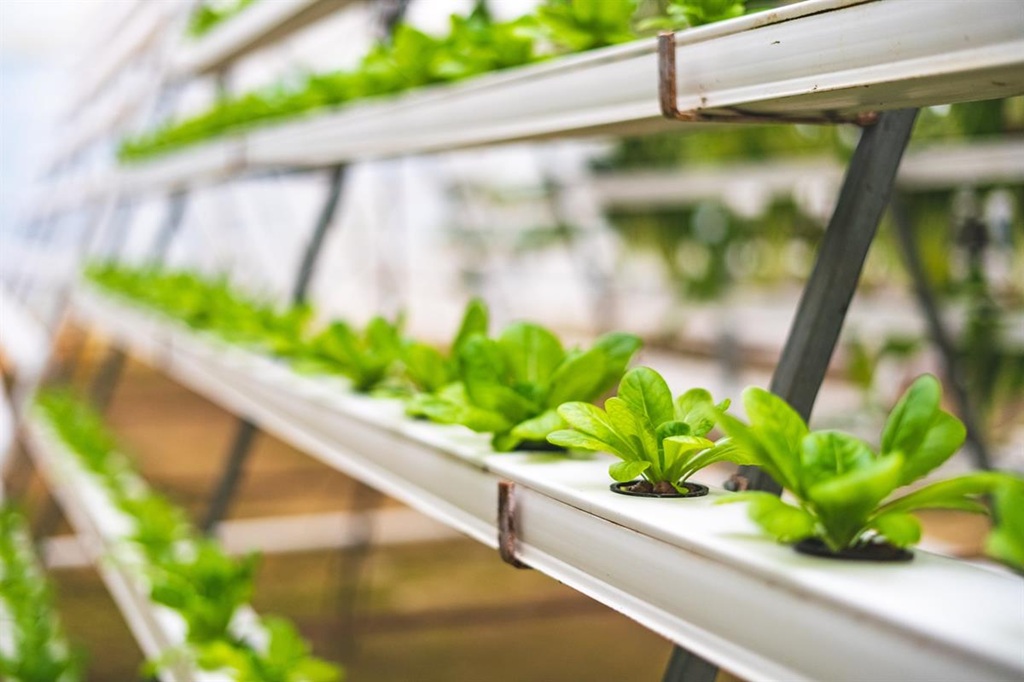
Hydroponics, growing plants without soil using nutrient-rich water solutions, and aquaponics, a symbiotic system that combines hydroponics with aquaculture, represent cutting-edge gardening technologies. These methods offer precise control over nutrient delivery, water conservation, and pest management, leading to faster growth rates and higher yields. While requiring a higher initial investment and technical knowledge, hydroponics and aquaponics are gaining traction among tech-savvy gardeners seeking innovative and sustainable solutions.
-
Traditional In-Ground Gardening:
Despite the rise of container and vertical gardening, traditional in-ground gardening remains a cornerstone of home gardening. For those with ample outdoor space and a desire to cultivate a larger garden, in-ground gardening offers the opportunity to create a diverse and productive ecosystem. It allows for the cultivation of a wider range of plants, including trees, shrubs, and large vegetables.
Related: Four Types Of Succulents You Can Grow In Your Home
People Also Ask (FAQs):
Q: What are the best plants to grow in containers?
A: The best plants for containers are those that thrive in confined spaces and tolerate varying growing conditions. Popular choices include herbs (basil, mint, rosemary), vegetables (tomatoes, peppers, lettuce), fruits (strawberries, dwarf citrus), and flowering plants (petunias, geraniums, marigolds).
Q: What type of soil is best for container gardening?
A: A well-draining potting mix specifically formulated for containers is essential. Avoid using garden soil, as it tends to compact and retain too much moisture. Look for a mix that contains ingredients such as peat moss, perlite, and vermiculite.
Q: How often should I water my container plants?
A: Watering frequency depends on factors such as plant type, container size, and weather conditions. Generally, container plants require more frequent watering than in-ground plants, as they dry out faster. Check the soil’s moisture regularly and water it when the top inch feels dry.
Q: What are the benefits of using raised beds?
A: Raised beds offer improved drainage, soil control, and accessibility. They also warm up faster in the spring, extending the growing season. Raised beds minimize soil compaction and weed growth, making gardening easier and more productive.
Q: How do I choose the right container size for my plants?
A: The container size should be proportional to the plant’s mature size. Larger plants require larger containers to accommodate their root systems. Consider the plant’s growth habit and root depth when selecting a container.
Q: What are some tips for growing vegetables in containers?
A: Choose compact varieties, provide adequate sunlight (at least 6-8 hours per day), use a well-draining potting mix, fertilize regularly, and water consistently.
Q: How can I attract pollinators to my container garden?
A: Plant a variety of flowering plants that attract bees, butterflies, and other pollinators. Include plants with different colors, shapes, and blooming times to provide a continuous source of nectar and pollen.
Q: What are the challenges of container gardening?
A: Container gardening requires more frequent watering and fertilization than in-ground gardening. Plants may also be more susceptible to temperature fluctuations and wind damage.
Q: How do I prevent pests and diseases in my container garden?
A: Choose disease-resistant plant varieties, use a clean potting mix, avoid overwatering, and inspect plants regularly for signs of pests or diseases. Use natural pest control methods whenever possible.
Conclusion: A Greener Future, One Container at a Time
The popularity of container gardening signifies a broader trend toward accessible, sustainable, and personalized gardening practices. Its adaptability to diverse living situations, coupled with its ease of maintenance and aesthetic appeal, has made it the preferred method for many home gardeners. As urban populations continue to grow and environmental awareness deepens, container gardening is poised to play an increasingly vital role in fostering food security, promoting sustainable living, and connecting individuals with the natural world. It is a testament to the enduring human desire to cultivate and nurture, transforming even the smallest spaces into vibrant and productive gardens, ultimately paving the way for a greener and more resilient future.