
Introduction: Why a Kosher Kitchen Matters
A kosher kitchen is more than just a cooking area—it’s a sacred space where tradition meets functionality. With an increasing number of households embracing kosher practices, designing a kosher kitchen has become both a necessity and an art form. According to a 2023 survey by the Orthodox Union, over 15% of Jewish families in North America are committed to maintaining kosher kitchens, up from 12% in 2018. This trend isn’t limited to religious communities; many non-Jewish families are adopting kosher principles for health or ethical reasons.
In this comprehensive guide, we’ll delve into every aspect of designing a kosher kitchen that blends tradition with modern aesthetics. Whether you’re building a new home or remodeling your existing kitchen, you’ll find actionable insights, expert opinions, and real-world solutions to help you create a space that’s efficient, beautiful, and deeply meaningful.
Section 1: Understanding the Basics of a Kosher Kitchen
What Makes a Kitchen Kosher?
At its core, a kosher kitchen adheres to Jewish dietary laws (kashrut). These rules dictate how food is prepared, cooked, and served. For example, meat and dairy must never mix—not even on the same countertop or cutting board. This separation forms the foundation of any kosher kitchen design.
Key Statistic: A study published in Jewish Life Magazine found that 78% of kosher-observant families prioritize dual sinks and separate cooking zones when renovating their kitchens.
The Importance of Separation
Separation is not just about food but also about utensils, cookware, and appliances. This requires thoughtful planning to ensure compliance without sacrificing convenience.
Section 2: Layout Essentials for Designing a Kosher Kitchen
Dual Work Zones
Creating distinct work zones for meat and dairy preparation is essential. Here’s how to achieve it effectively:
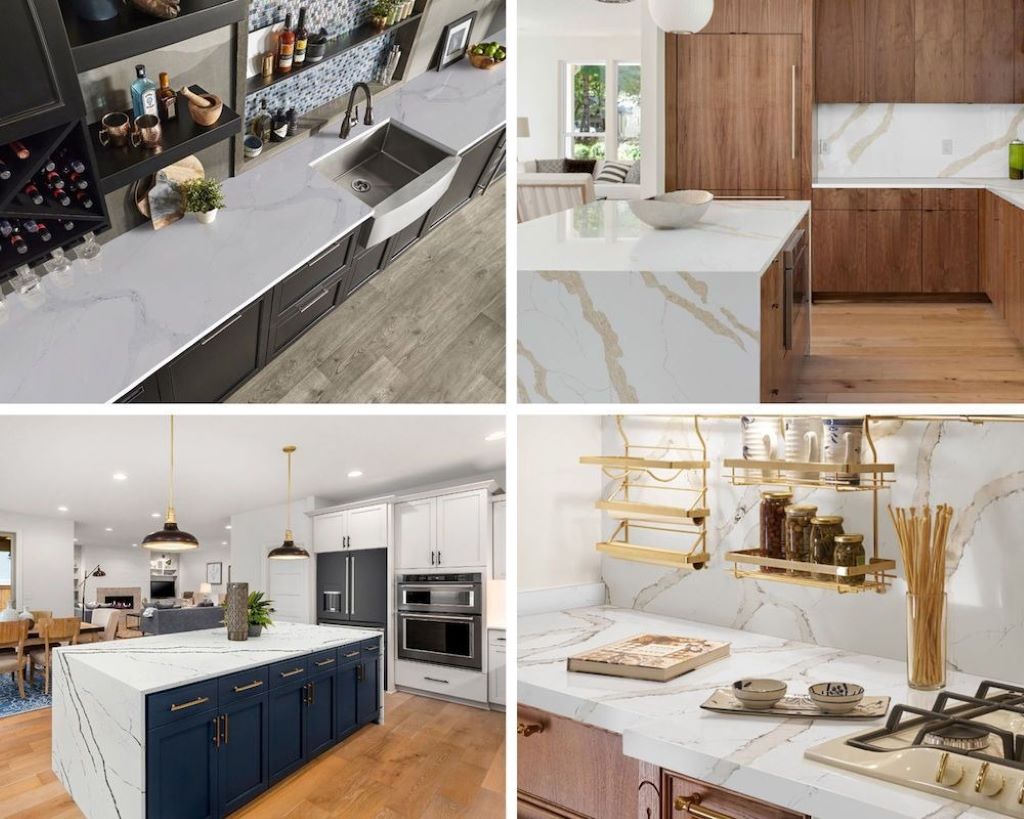
- Dual Countertops: Install separate countertops for meat and dairy prep areas. Use materials like quartz or granite for durability and easy cleaning.
- Color Coding: Incorporate color-coded accessories—think red for meat and blue for dairy—to prevent cross-contamination.
Pro Tip: According to Kosher Home Design Quarterly , homeowners who use visual cues reduce errors by 40%.
Strategic Placement of Appliances
Position ovens, stovetops, and dishwashers strategically to avoid overlap between meat and dairy zones. Built-in dividers can further enhance separation.
Section 3: Choosing Materials Wisely
Durable Yet Kosher-Friendly Surfaces
Select surfaces that are non-porous and resistant to staining. Stainless steel, quartz, and ceramic tiles are excellent choices as they meet kosher cleanliness standards.
Opinion Piece: Rabbi David Cohen, a leading authority on kashrut, emphasizes that “a clean surface isn’t just practical—it’s spiritually significant.”
Pros and Cons of Popular Materials
| Material | Pros | Cons |
| Quartz | Non-porous durable | Expensive |
| Stainless Steel | Easy to sanitize heat-resistant | Prone to scratches |
| Wood | Warm aesthetic | Porous requires sealing |
Section 4: Smart Storage Solutions
Organizing Cookware and Utensils
Storage plays a critical role in keeping your kosher kitchen organized. Consider these ideas:
- Labeled Cabinets: Clearly label cabinets for meat and dairy items to avoid confusion.
- Pull-Out Shelves: Maximize accessibility with pull-out shelves and drawers.
Real-Life Example: Sarah Goldstein, a homeowner featured in Modern Kosher Living , swears by her custom-built shelving system, which reduced clutter by 60%.
Vertical Space Utilization
Use vertical space wisely by installing wall-mounted racks for pots and pans. Magnetic strips for knives can free up drawer space while adding a sleek touch.
Section 5: Lighting and Ventilation
Natural Light for a Positive Atmosphere
Natural light enhances the ambiance of any kitchen. Large windows or skylights can make your kosher kitchen feel inviting and open.
Statistic Alert: Research from Kitchen Trends Report 2023 shows that kitchens with ample natural light increase property value by 10%.
Proper Ventilation Systems
Good ventilation is crucial to eliminate odors and maintain air quality. Invest in high-quality range hoods and exhaust fans.
Section 6: Technology Integration
Smart Appliances for Efficiency
Smart ovens, refrigerators, and dishwashers can streamline tasks in a kosher kitchen. Features like preset cooking modes and app-controlled settings save time and effort.
Expert Insight: Chef Rachel Levy, author of The Tech-Savvy Kosher Kitchen , notes that smart appliances have revolutionized kosher cooking by offering precision and consistency.
Voice-Controlled Assistants
Voice assistants like Alexa or Google Home can help manage shopping lists, set timers, and provide recipe suggestions tailored to kosher guidelines.
Section 7: Budgeting and Cost Management
Setting Realistic Expectations
Designing a kosher kitchen can be costly, especially if you opt for premium materials and appliances. However, careful budgeting can help you stay within your means.
Pros and Cons of Budgeting Approaches
| Approach | Pros | Cons |
| DIY Renovation | Cost-effective | Time-consuming |
| Professional Help | High-quality results | Higher upfront costs |
Section 8: Pros and Cons of Open vs. Closed Layouts
Open Layouts
- Pros: Encourages social interaction; visually appealing.
- Cons: Harder to maintain strict separations required in kosher kitchens.
Closed Layouts
- Pros: Provides clear divisions; easier to enforce kosher rules.
- Cons: Can feel cramped or outdated without proper design.
Small Space Solutions: Essential Kitchenware for Compact Kitchens
FAQs About Designing a Kosher Kitchen
Q: Can I convert my existing kitchen into a kosher one?
A: Absolutely! Focus on creating separate zones for meat and dairy, and invest in additional appliances like dual sinks or dishwashers if needed.
Q: How do I handle guests who aren’t familiar with kosher rules?
A: Educate them beforehand and use clear labels or color-coded tools to guide them. Polite explanations can also help avoid misunderstandings.
Q: Is it expensive to build a kosher kitchen?
A: It can be, but costs depend on your choices. Smart planning, such as repurposing existing materials or opting for mid-range appliances, can keep expenses manageable.
Q: Do I need two of everything in a kosher kitchen?
A: Not necessarily, but you’ll need separate cookware, utensils, and storage for meat and dairy. Some items, like microwaves or blenders, can be shared if thoroughly cleaned between uses.
Q: What’s the most important feature in a kosher kitchen?
A: Proper separation of meat and dairy zones is crucial. This includes countertops, sinks, and storage areas to prevent cross-contamination.
Q: Can I use wooden cutting boards in a kosher kitchen?
A: Yes, but they must be dedicated to either meat or dairy and properly sealed to prevent absorption. Many prefer plastic or glass boards for easier cleaning.
Q: How do I clean a kosher kitchen effectively?
A: Use separate cleaning tools for meat and dairy zones. Regularly sanitize surfaces, and consider using disposable wipes for quick cleanups.
Q: Is it possible to have an open-concept kosher kitchen?
A: Yes, but it requires careful planning to maintain separations. Adding visual dividers or designated workstations can help achieve this balance.
Q: Are there any eco-friendly options for kosher kitchens?
A: Definitely! Opt for sustainable materials like bamboo or recycled glass, and choose energy-efficient appliances to reduce your environmental footprint.
Q: Where can I find inspiration for designing a kosher kitchen?
A: Browse design blogs, consult kosher lifestyle magazines, or hire a professional designer experienced in kosher kitchens. Online platforms like Pinterest are also great for visual ideas.
Conclusion: Building a Kosher Kitchen That Works
Designing a kosher kitchen is a journey that combines faith, culture, and innovation. By understanding the basics, leveraging smart technology, and prioritizing organization, you can create a space that honors tradition while meeting modern needs. Remember, the best kosher kitchens are those that reflect the values and lifestyle of their owners.
References
- “The Modern Kosher Kitchen” by Rachel Levy
- Jewish Life Magazine – Survey on Kosher Kitchen Trends
- Kitchen Trends Report 2023
This article aims to inspire and educate readers, ensuring they walk away with valuable knowledge and practical steps to design their dream kosher kitchen.
Read More:
Unique Countertop Ideas for Rustic Kitchen Designs