
Lighting is more than just functional—it shapes mood, productivity, and even your home’s perceived size. When designing or upgrading your space, choosing between ambient and task lighting can be confusing. Both serve different yet critical purposes. So, what do you really need? Let’s dive into the details ambient vs. task lighting.
Understanding the Basics: What Is Ambient Lighting?
Ambient lighting, often referred to as general lighting, fills the room with a soft, overall glow. It’s the foundation of any lighting plan, mimicking daylight to ensure the entire space is visible.
This type of lighting is typically delivered through ceiling fixtures, chandeliers, or recessed lighting. According to the American Lighting Association, ambient light should provide a uniform level of illumination throughout a room without glare or heavy shadows.
For instance, in a living room, ambient lighting allows people to move around safely. It sets a calm, inviting tone. However, it doesn’t support tasks like reading or cooking effectively. Ambient lighting often lacks the focus needed for precision tasks.
What Is Task Lighting? Why Is It Necessary?
Task lighting is directional lighting that illuminates specific areas where you perform detail-oriented activities. Think reading lamps, under-cabinet kitchen lights, or vanity lighting in a bathroom.
While ambient lighting ensures visibility, task lighting enhances productivity. According to the International Association of Lighting Designers, task lighting should be at least three times brighter than ambient light for maximum efficiency.
Task lighting is essential in areas like:
- Kitchens (chopping and food prep)
- Offices (computer work and writing)
- Bathrooms (makeup or shaving)
- Workshops (fine motor tasks)
Without focused lighting, your eyes strain faster, leading to fatigue and decreased performance. It’s not about luxury—it’s about functionality.
The Psychological Impact of Lighting
Lighting doesn’t just affect vision—it influences your brain. A study published in the Journal of Environmental Psychology found that bright light intensifies emotions, while dimmer lights evoke calmness. This makes ambient lighting suitable for relaxing areas and task lighting ideal for focused work.
For example, a workspace with only ambient lighting may cause mental fog. Conversely, harsh task lighting in a living room might feel jarring and unwelcoming.
Therefore, understanding how to layer both ambient and task lighting according to a room’s purpose is crucial.
When You Need Both—and Why
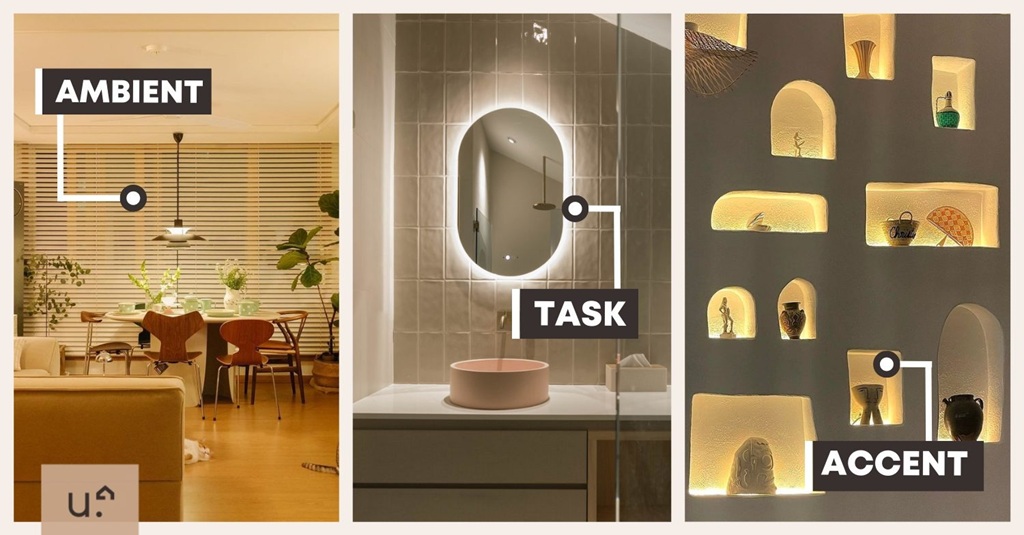
Rarely does one type of lighting meet all your needs. The most functional and aesthetically pleasing spaces use a layered lighting strategy. This means integrating ambient, task, and even accent lighting to serve different functions throughout the day.
Let’s look at a real-life example.
In a modern kitchen, recessed ceiling lights (ambient) illuminate the entire area, while pendant lights over the island (task) highlight the food prep zone. Under-cabinet lights provide additional focus when slicing or measuring. This combination reduces eye strain, prevents shadows, and adds visual interest.
Similarly, in a home office, ambient lighting reduces overall glare, while a well-placed desk lamp sharpens focus. This duo improves both mental performance and comfort.
Common Missteps to Avoid
Many homeowners rely solely on ambient lighting and wonder why their rooms feel dull or inefficient. On the flip side, relying too heavily on task lighting without general illumination creates stark contrast and discomfort.
The key mistake? Not layering light. According to Houzz, poorly planned lighting is among the top five design regrets for homeowners.
Another issue is color temperature mismatch. Task lighting typically works best with cooler light (4000–5000K), enhancing alertness. Ambient light feels more comfortable in the warm range (2700–3000K). Mixing both temperatures without purpose can clash visually.
Expert Tips for Getting It Right
Lighting designers recommend the three-light rule: every room should have at least three types of lighting sources. This ensures depth, comfort, and utility.
Professional Tip #1: Use dimmers to adjust ambient lighting intensity based on time of day or activity.
Professional Tip #2: Layer lighting based on function, not just aesthetics. Think through what tasks occur in each zone.
Professional Tip #3: Choose adjustable task lighting for versatility—especially in multi-use rooms like kitchens or home offices.
Featured Snippet – Expert Answer (200 Words)
Q: Is ambient or task lighting more important for home design?
A: Neither ambient nor task lighting is inherently more important. Instead, both serve unique and essential functions. Ambient lighting provides overall visibility and sets the mood of a room. It creates a consistent glow that supports general navigation and ambiance. On the other hand, task lighting is focused and intense, enabling you to perform activities like cooking, reading, or writing without eye strain.
The key is balance. For example, a kitchen with only ambient lighting might feel cozy but be impractical for food prep. Conversely, relying solely on task lighting may result in harsh shadows and a cold aesthetic. Most interior designers recommend a layered lighting approach that combines ambient and task lighting to meet both emotional and practical needs.
To determine what you really need, assess how you use each space daily. High-activity zones benefit more from task lighting, while relaxation areas thrive under soft ambient light. Consult a lighting specialist to tailor solutions for your lifestyle and preferences.
FAQs
What is the main purpose of ambient lighting?
To provide general illumination across a room, setting a consistent and comfortable brightness level.
Can task lighting replace ambient lighting?
No. Task lighting is too focused and intense for general use. You need both for optimal comfort and function.
Where should I use task lighting in my home?
Use it in kitchens, offices, reading nooks, bathrooms—anywhere you do detailed or focused activities.
Does ambient lighting affect mood?
Yes. Warm ambient light promotes relaxation, while overly bright or cool lights may feel clinical or stressful.
How many lumens should task lighting provide?
Ideally, task lighting should provide 500–800 lumens, depending on the task and room size.
Is natural light considered ambient lighting?
Yes. Natural daylight acts as ambient light during the day and should be complemented by artificial ambient light at night.
What’s the best color temperature for task lighting?
Cool white (4000–5000K) enhances clarity and alertness, making it ideal for task-specific areas.
Read More Also: Eco-Friendly Home
Final Thought: Choose Wisely, Layer Strategically
When it comes to ambient vs. task lighting, it’s not a battle of one over the other. It’s about synergy. Each type plays a vital role in how your space looks, feels, and functions.
Relying solely on one can lead to discomfort or inefficiency. By strategically layering both types of lighting, you create spaces that adapt to every mood and need. Think of lighting as the silent architect of your home—get it right, and everything else falls into place.
For more guidance, check out resources from Lighting Research Center and American Lighting Association, which offer detailed insights and tools to help plan your perfect setup.
Don’t just light up a room—elevate your entire experience.