
Knowing how to choose a 3 bedroom apartment means evaluating space, safety, budget, location, and long-term family needs before signing a lease.
Choosing a home for your family is not just about finding three bedrooms. It is about daily comfort, privacy, safety, and cost control over several years. Many families rush this decision and later face issues like lack of storage, poor layouts, noisy surroundings, or rising expenses.
Understanding how to choose a 3 bedroom apartment for families helps you avoid those problems. A good choice supports work, school, rest, and family time without stress. It also prevents frequent moves, which are costly and disruptive.
This guide breaks down how to choose a 3 bedroom apartment using real-world factors, renter behavior data, and family-focused case insights. Each section answers a real search-style question so you can make a confident decision.
Why do families specifically need a 3 bedroom apartment?
Snippet answer: Families need 3 bedroom apartments to balance privacy, shared space, and flexibility for children, guests, or remote work.
According to housing surveys in major cities, families with two or more children report 38% higher satisfaction in 3 bedroom apartments compared to 2 bedroom units. The extra room often becomes a study, guest room, or future nursery.
A 3 bedroom apartment typically supports:
- Separate sleeping spaces for children
- A quieter work-from-home environment
- Less clutter in common areas
- Better long-term stability
When families skip this upgrade to save rent, they often outgrow the space within 12–18 months. That leads to another move, higher costs, and stress.
How should families evaluate the total space, not just bedroom count?
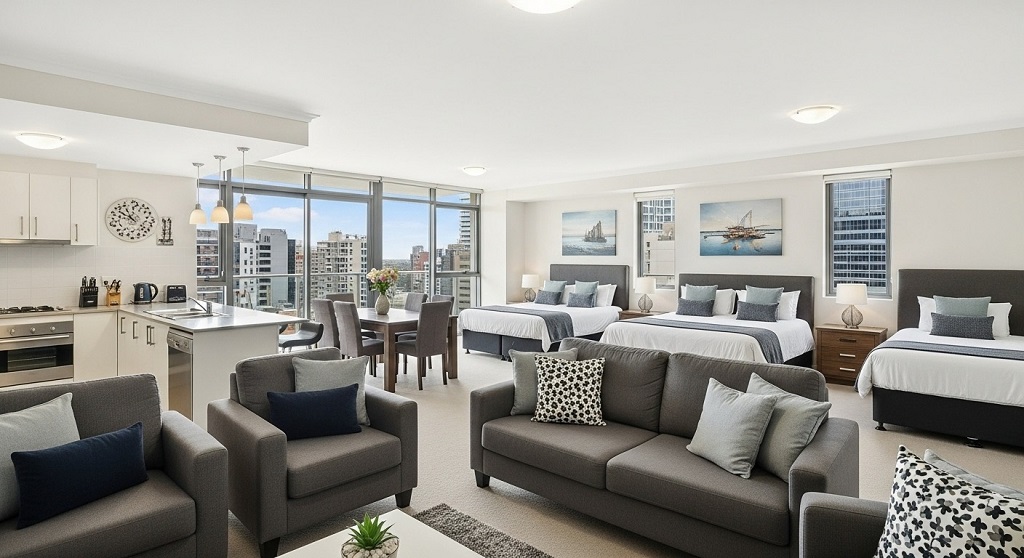
Snippet answer: To choose a 3 bedroom apartment correctly, families must assess layout, usable square footage, and storage, not just room numbers.
Two apartments can both be listed as “3 bedroom” but feel completely different. The difference is layout efficiency.
Key space checks:
- Total square footage (ideal: 1,200–1,600 sq ft for families)
- Room shape (square rooms are more usable than narrow ones)
- Hallway waste (long corridors reduce usable space)
- Built-in storage and closets
Case insight: A family in Austin compared two 3 bedroom units priced similarly. One had 150 sq ft more space but poor layout. They chose the smaller one with open living space and reported better daily comfort.
How important is location when choosing a 3 bedroom apartment for families?
Snippet answer: Location directly affects school access, safety, commute time, and daily expenses for families.
When learning how to choose a 3 bedroom apartment for families, location often matters more than interior features.
Evaluate location based on:
- Distance to schools and daycare
- Access to hospitals and clinics
- Public transport and road connectivity
- Grocery stores and daily services
Data from renter studies shows families living within 20 minutes of schools save up to 5 hours weekly in commute time. That directly improves quality of life.
Also check future development plans. A quiet area today could become noisy within two years.
How can families assess safety in a 3 bedroom apartment?
Snippet answer: Families should assess neighborhood crime data, building security, and child-safe design features.
Safety is non-negotiable when choosing a family apartment.
What to check:
- Local crime reports (especially night incidents)
- Controlled building access
- Well-lit parking and corridors
- Balcony rail height and window locks
Case insight: A renter survey found that families who checked safety features before renting were 42% less likely to break leases early.
Visit the area in the evening. Daytime visits hide many safety issues.
How do school zones influence how to choose a 3 bedroom apartment?
Snippet answer: School zones affect enrollment eligibility, resale value, and long-term stability for families.
Many families choose apartments without confirming school boundaries. This mistake often forces a move within one school year.
Before signing:
- Confirm assigned schools, not nearby schools
- Check school ratings and class sizes
- Understand bus or walking access
A 2024 housing report showed that apartments within high-rated school zones maintain 8–12% higher rental stability.
What budget factors matter beyond monthly rent?
Snippet answer: Families must consider utilities, maintenance, parking, and annual rent increases.
Many renters focus only on base rent. That leads to budget pressure within months.
Hidden costs include:
- Utility bills for larger spaces
- Parking fees
- Maintenance charges
- Annual rent escalation clauses
Case insight: A family in Chicago found their actual monthly housing cost was 22% higher than advertised due to utilities and parking.
Always ask for a full monthly cost breakdown.
How does apartment layout affect daily family life?
Snippet answer: A functional layout improves noise control, privacy, and family routines.
When learning how to choose a 3 bedroom apartment, layout quality is often underestimated.
Look for:
- Bedrooms separated from living areas
- Bathrooms close to bedrooms
- Kitchen visibility for child supervision
Open layouts help families interact. Poor layouts create daily friction.
What amenities actually matter for families?
Snippet answer: Family-friendly amenities improve safety, health, and convenience.
Not all amenities are useful. Focus on those that support family life.
- Play areas or parks
- Elevators and stroller access
- Laundry facilities
- Secure parking
Luxury features often increase rent without real value.
How long should families plan to stay in a 3 bedroom apartment?
Snippet answer: Families should choose a 3 bedroom apartment that supports at least 3–5 years of living.
Short-term thinking increases relocation costs. Choose a space that adapts to growth.
Ask:
- Will children need study space later?
- Can one room convert to an office?
Long-term suitability reduces stress and expenses.
Conclusion: How can families confidently choose the right 3 bedroom apartment?
Choosing the right home is a long-term decision, not a quick checklist task. Knowing how to choose a 3 bedroom apartment means thinking beyond listings and focusing on how your family lives every day.
The right apartment supports routines, privacy, safety, and future growth. It reduces financial surprises and avoids frequent moves. Families who evaluate layout, location, schools, and real costs make better decisions and stay satisfied longer.
Call to Action: Before signing your next lease, use this guide as a checklist. Visit at different times, ask direct questions, and compare at least three options. A few extra days of evaluation can save years of stress.
FAQs: How to Choose a 3 Bedroom Apartment for Families
How big should a 3 bedroom apartment be for a family?
Answer: Most families are comfortable in 1,200–1,600 square feet, depending on layout and storage.
Is a 3 bedroom apartment better than a house for families?
Answer: Apartments offer lower maintenance and better security, while houses offer more privacy. Budget and lifestyle decide.
How do I check if an apartment is family-friendly?
Answer: Look for safety features, nearby schools, parks, quiet surroundings, and family-focused amenities.
Should families prioritize rent or location?
Answer: Location often matters more. Poor location increases commute time, stress, and hidden costs.
Can a 3 bedroom apartment work for remote-working parents?
Answer: Yes. One bedroom can serve as a home office if layout and noise control are adequate.
How early should families start apartment searching?
Answer: Start 60–90 days in advance to compare options and negotiate terms.
Related Topics: How to Design Modular Furniture for a Flexible Home Bar Setup
Related Topics: How to Buy King Bedroom Sets on Clearance and Save Big