
Barley, a versatile and nutritious grain, has been a staple in diets worldwide for centuries. Its chewy texture and nutty flavor make it a delightful addition to soups, stews, salads, and even as a standalone dish. However, achieving the perfect texture and taste requires proper cooking, including understanding the barley boiling time and following best practices.
Barley Boiling Time
Barley comes in different forms, each with its own unique boiling time:
- Hulled Barley: They retain this as the least processed form of barley, with its outer husk intact. It typically takes the longest to cook, requiring about 40-50 minutes of boiling.
- Pearl Barley: The most common type, pearl barley has had its outer husk and some of the bran layer removed. It cooks faster than hulled barley, taking around 25-30 minutes.
- Quick-cooking or Instant Barley: This type has been pre-steamed and rolled, significantly reducing its cooking time to about 10 minutes.
Factors Affecting Barley Boiling Time
While the above are general guidelines, several factors can influence the actual boiling time of barley:
- Altitude: At higher altitudes, water boils at a lower temperature, which can increase cooking times.
- Soaking: Soaking barley overnight can help reduce cooking time, especially for hulled barley.
- Desired Texture: If you prefer a softer, more porridge-like texture, you may need to cook the barley for a few extra minutes.
- Quantity: Larger quantities of barley consequently may take slightly longer to cook.
Before Boiling Tips
- Rinsing: Regardless of the type, it’s a good practice to rinse barley thoroughly under cold water before cooking. This helps remove any dust or debris and prevents clumping.
- Soaking (Optional): Soaking barley overnight in cold water can help reduce cooking time and improve its digestibility. If you choose to soak, drain and rinse the barley before cooking.
- Water-to-Barley Ratio: The general recommendation is to use a 3:1 ratio of water to barley. However, you can adjust this based on your desired consistency.
Barley Boiling Time: Process
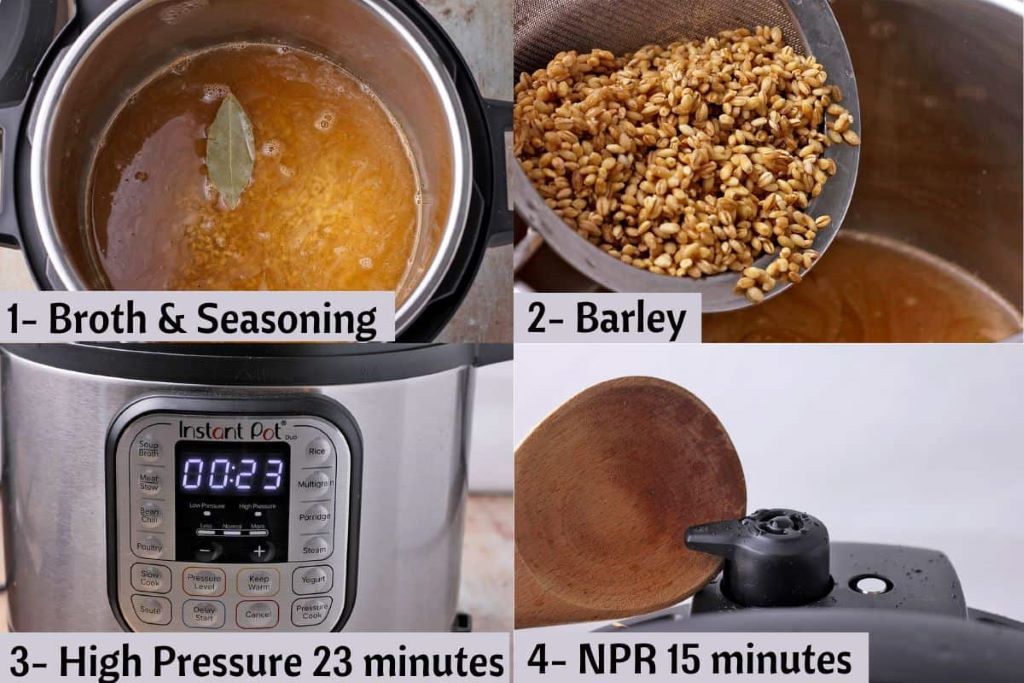
- Bring Water to a Boil: In a large pot, bring the measured water to a rolling boil.
- Add Barley: Add the rinsed barley to the boiling water.
- Reduce Heat and Simmer: Once the barley is added, reduce the heat to a gentle simmer.
- Cover and Cook: Cover the pot with a lid and let the barley simmer for the recommended time based on its type.
- Check and Stir Occasionally: Check the barley occasionally and give it a stir to prevent sticking to the bottom of the pot.
- Test for Doneness: Barley is done when it’s tender but still has a slight chewiness. If it’s too soft, it’s overcooked.
- Drain Excess Water (If Needed): If there’s any excess water remaining after cooking, drain it off.
After Boiling Tips and Ideas
- Fluffing: Once cooked, fluff the barley with a fork to separate the grains and prevent clumping.
- Seasoning: Barley has a mild flavor that pairs well with various seasonings. You can add salt, pepper, herbs, spices, or even a drizzle of olive oil or a pat of butter.
- Serving: People can serve barley hot or cold, and in addition, use it in various dishes.
Serving Ideas:
- Salads: Add cooked barley to salads for a boost of texture and nutrition. It pairs well with vegetables, fruits, nuts, and cheese.
- Soups and Stews: Barley is a classic addition to soups and stews, providing heartiness and substance.
- Side Dish: Serve cooked barley as a side dish alongside grilled chicken, fish, or roasted vegetables.
- Breakfast: Cook barley with milk, honey, and fruits for a warm and comforting breakfast porridge.
- Vegetarian/Vegan Dishes: Barley can be used as a base for vegetarian and vegan dishes like veggie burgers or stuffed peppers.
Mastering North African Catfish Boiling: A Comprehensive Guide
Additional Tips
- Don’t Overcook: Moreover, overcooked barley can become mushy and lose its pleasant texture.
- Experiment with Flavors: Barley is a blank canvas for flavors. Don’t hesitate to experiment with different herbs, spices, and ingredients to create your unique dishes.
- Storage: Moreover, you can store cooked barley in an airtight container in the refrigerator for up to 3-4 days.
Related: Mastering Mung Beans: Boiling Times, Tips, and Delicious Serving Ideas
Conclusion
Mastering the art of cooking barley opens up a world of culinary possibilities. By understanding the boiling time, following the best practices, and experimenting with different flavors, you can create delicious and nutritious dishes that will satisfy your taste buds and nourish your body. Remember, the key is to avoid overcooking and to let your creativity guide you in the kitchen.