
Basmati rice, renowned for its fragrant aroma and delicate texture, is a staple in many cuisines worldwide. To truly enjoy its unique qualities, it’s crucial to master the art of cooking it to perfection. Let’s delve into the intricacies of Basmati rice boiling time, essential tips for before and after boiling, and the art of serving this delightful grain.
Understanding Basmati Rice
Before we embark on the cooking journey, let’s get acquainted with Basmati rice. This long-grain rice variety is cultivated in the foothills of the Himalayas, absorbing the region’s unique climate and soil conditions. It’s characterized by its slender grains that elongate significantly upon cooking, releasing a captivating aroma reminiscent of pandan leaves and popcorn. Basmati rice is available in both white and brown varieties, each offering its distinct nutritional profile and culinary applications.
Basmati Rice Boiling Time: The Key to Perfection
The ideal boiling time for Basmati rice hinges on several factors, including the type of Basmati rice (white or brown), the desired texture (fluffy or slightly sticky), and the cooking method employed. Let’s explore the typical boiling times for both white and brown Basmati rice:
- White Basmati Rice:
- Soaking (Optional): Soaking white Basmati rice for 30 minutes before cooking helps achieve a more even texture and reduces cooking time slightly.
- Boiling Time: Typically, white Basmati rice requires 15-20 minutes of boiling time. However, it’s crucial to follow the package instructions as different brands may have slight variations in recommended cooking times.
- Absorption Time: After boiling, allow the rice to rest, covered, for 5-10 minutes to absorb any residual moisture and achieve a fluffy texture.
- Brown Basmati Rice:
- Soaking (Recommended): Soaking brown Basmati rice for at least 2 hours, or preferably overnight, is highly recommended. This step softens the bran layer, ensuring a tender and evenly cooked grain.
- Boiling Time: Brown Basmati rice typically requires 30-40 minutes of boiling time due to its intact bran layer. Again, refer to the package instructions for precise cooking times.
- Absorption Time: Similar to white Basmati rice, allow brown Basmati rice to rest, covered, for 5-10 minutes after boiling to enhance its texture.
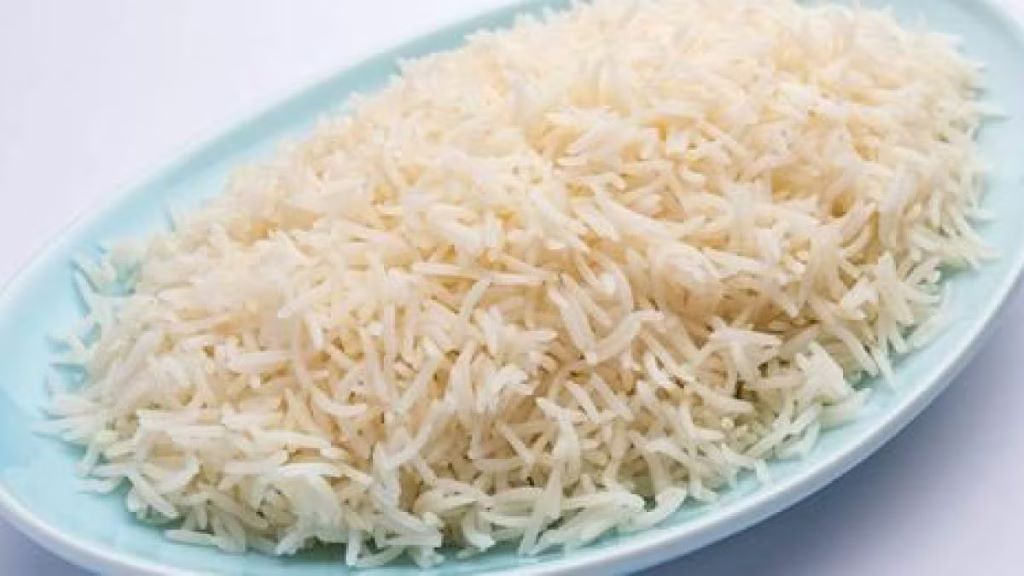
Basmati Rice Boiling Time, Before Boiling: Essential Tips
- Rinsing: Thoroughly rinse the Basmati rice under cold water until the water runs clear. This removes excess starch, preventing the grains from clumping together during cooking.
- Water-to-Rice Ratio: The ideal water-to-rice ratio for Basmati rice is typically 1.5:1 or 1.75:1, depending on the desired texture. For fluffier rice, use a slightly higher water-to-rice ratio.
- Salt: Add a pinch of salt to the boiling water to enhance the flavor of the rice.
Basmati Rice Boiling Time, After Boiling: Enhancing the Texture and Flavor
- Fluffing: Once the rice has rested, gently fluff it with a fork to separate the grains and prevent them from sticking together.
- Seasoning: For an extra layer of flavor, consider adding a drizzle of melted butter or ghee, a sprinkle of toasted cumin seeds, or a squeeze of fresh lime juice to the cooked rice.
- Keeping Warm: If you’re not serving the rice immediately, transfer it to a heat-proof bowl and cover it with a lid or aluminum foil to keep it warm.
Mastering Mung Beans: Boiling Times, Tips, and Delicious Serving Ideas
Serving Basmati Rice: A Culinary Delight
Basmati rice serves as a versatile canvas for a wide array of dishes. Here are some serving suggestions:
- Classic Pairings: Basmati rice complements rich and flavorful curries, stews, and biryanis beautifully. Its delicate aroma and texture provide a delightful contrast to these robust dishes.
- Salads and Bowls: Incorporate cooked Basmati rice into vibrant salads or grain bowls for a wholesome and satisfying meal. Combine it with fresh vegetables, protein sources, and a flavorful dressing for a nutritious and delicious creation.
- Side Dish: Serve Basmati rice as a simple yet elegant side dish alongside grilled meats, roasted vegetables, or stir-fries. Its subtle flavor and fluffy texture make it a perfect accompaniment to a variety of main courses.
Related: Mastering Cannelloni: Boiling Times and Expert Tips for Perfect Pasta
Conclusion
Mastering the art of cooking Basmati rice opens up a world of culinary possibilities. By understanding the ideal Basmati rice boiling time, following essential tips before and after boiling, and exploring various serving options, you can elevate your Basmati rice dishes to new heights. Embrace the fragrant aroma and delicate texture of this exquisite grain, and let it inspire your culinary creativity.
Remember, practice makes perfect. Don’t be discouraged if your first few attempts don’t yield the desired results. With patience and persistence, you’ll soon be able to cook Basmati rice like a pro, delighting your taste buds and impressing your guests with every serving.