
Cauliflower is a wonderfully versatile vegetable. It can be roasted, mashed, grated into “rice,” or enjoyed simply boiled with a few flavorful additions. Boiling is one of the quickest and easiest ways to prepare cauliflower, but achieving that perfect tender-crisp texture can be tricky. In this article, we’ll dive into the ideal boiling time, share pre- and post-boiling tips, and offer delicious serving ideas to elevate your cauliflower experience.
Before You Boil: Prep Makes Perfect
- Choose a Fresh Head: Look for a cauliflower with tightly packed, creamy-white florets and crisp green leaves. Avoid any heads with brown spots or a mushy feel.
- Cut into Florets: Remove the outer leaves and core, then carefully cut the cauliflower into bite-sized florets. Try to keep them as uniform in size as possible for even cooking.
- Wash Thoroughly: Just like any other vegetable, give your cauliflower florets a good rinse under cold running water to remove any dirt or debris.
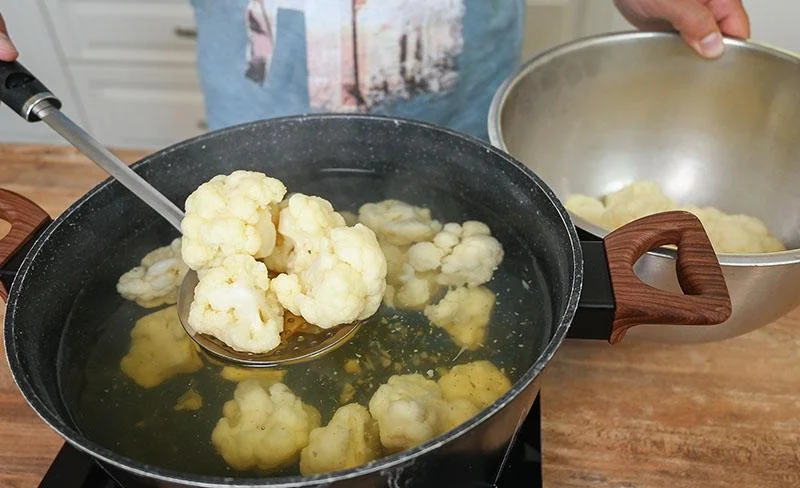
Perfect Boiling Time
The ideal boiling time for cauliflower depends on your desired level of tenderness:
- Tender-Crisp: For a texture that still has a slight bite, boil for 5-7 minutes. This is perfect if you plan to serve it as a side dish or add it to stir-fries.
- Tender: If you prefer a softer texture, ideal for mashing or making soup, boil for 7-10 minutes.
Pro-Tip: To check doneness, gently pierce a floret with a fork or the tip of a knife. It should slide in with a little resistance.
Important Factors that Influence Boiling Time
- Size of Florets: Larger florets will naturally take longer to cook than smaller ones.
- The Amount of Cauliflower: A large quantity of cauliflower will slightly increase boiling time.
- Altitude: Cooking times are extended at higher altitudes due to the lower boiling point of water.
Post-Boiling Essentials
- Stop the Cooking Process: Immediately drain the cauliflower in a colander and rinse with cold water to stop the cooking process and prevent overcooking.
- Dry Thoroughly: Pat the cauliflower florets dry with paper towels to remove any excess moisture. This is especially important if you plan to sauté or roast them afterward.
Read Also: Beets: A Guide to Perfect Boiling, Preparation, and Serving
Flavor Boosters
- Salt the Water: Add a generous pinch of salt to the boiling water to enhance the cauliflower’s natural flavor.
- Aromatics: Consider adding a few garlic cloves, a bay leaf, or a sprig of fresh herbs like thyme or rosemary to the boiling water for an extra layer of flavor.
- Lemon Juice: A squeeze of lemon juice in the water adds a touch of brightness.
Delicious Serving Ideas
- Simple and Classic: Enjoy boiled cauliflower with a drizzle of melted butter, a sprinkle of salt, and a crack of black pepper.
- Cheesy Delight: Top with your favorite cheese sauce or a sprinkle of grated Parmesan.
- Spice It Up: Toss with a blend of spices like cumin, paprika, and turmeric.
- Sautéed Surprise: Sauté boiled cauliflower florets with a little garlic, olive oil, and a squeeze of lemon juice.
- Roasted Perfection: Toss well-dried boiled cauliflower florets with olive oil, salt, and pepper, then roast in a preheated oven for a delightful crispy texture.
Additional Considerations
While boiling is a convenient method, cauliflower can also be steamed. Steaming typically preserves more nutrients and flavor compared to boiling.
By following these simple tips and experimenting with different serving options, you’ll master the art of boiling cauliflower every time! Remember, the key is to start checking for doneness after about 5 minutes and adjust the cooking time accordingly based on your preferences.