
Onions are a kitchen staple, adding flavor and depth to countless dishes. While sautéing and caramelizing are common methods, boiling onions offers a unique set of advantages and culinary possibilities. In this guide, we’ll delve into the optimal boiling times for onions, essential preparation tips, and delicious ways to incorporate boiled onions into your meals.
Why Boil Onions?
Boiling onions might seem unconventional, but it yields surprisingly tender and flavorful results. Here’s why you should consider boiling onions:
- Reduced Pungency: Boiling mellows the sharp, sometimes overpowering flavor of raw onions, making them more palatable for those sensitive to strong tastes.
- Enhanced Sweetness: Heat draws out the natural sugars in onions, resulting in a subtle sweetness that complements various dishes.
- Tender Texture: Boiled onions become incredibly soft and melt-in-your-mouth, perfect for adding to sauces, soups, or as a side dish.
- Health Benefits: Onions are packed with nutrients and antioxidants. Boiling retains many of these benefits while making them easier to digest.
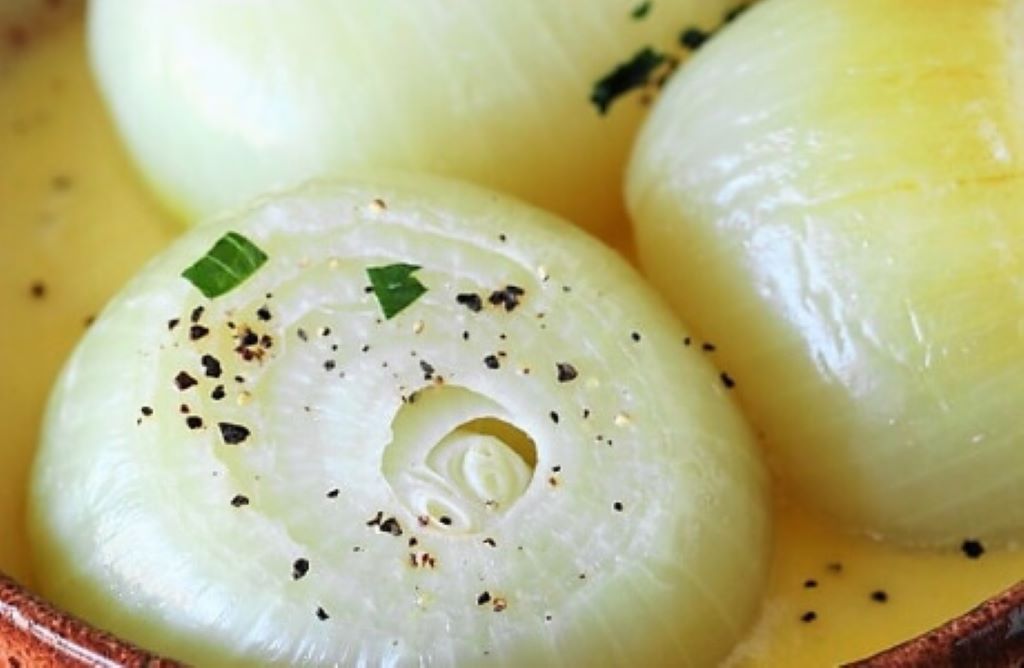
Onion Boiling Times: A Breakdown
The ideal boiling time for onions depends on their size and intended use. Here’s a general guideline:
- Small Onions (Pearl or Cocktail Onions): 10-15 minutes
- Medium Onions: 20-30 minutes
- Large Onions: 30-45 minutes
Keep in mind that these are estimates. It’s always best to check for doneness by piercing the onion with a fork. A perfectly boiled onion will be tender throughout but not mushy.
Before Boiling: Preparation Tips
- Peeling: Remove the outer skin and any tough layers.
- Trimming: Cut off the root end and the tip. For large onions, you might want to halve or quarter them for faster cooking.
- Soaking (Optional): If you’re particularly sensitive to strong onion flavors, soaking the peeled onions in cold water for 15-30 minutes can help further reduce pungency.
Boiling Onions: Step-by-Step Instructions
- Bring Water to a Boil: Fill a pot with enough water to cover the onions comfortably. Add a pinch of salt to enhance flavor.
- Add Onions: Carefully place the prepared onions into the boiling water.
- Simmer: Reduce heat to a gentle simmer. Cover the pot partially with a lid to trap steam.
- Check for Doneness: After the estimated cooking time, test the onions with a fork. They should be easily pierced and tender.
After Boiling: Serving Suggestions
Boiled onions are incredibly versatile. Here are some ideas for how to enjoy them:
- Side Dish: Drizzle with olive oil, sprinkle with herbs like parsley or dill, and season with salt and pepper.
- Soups and Stews: Add boiled onions to your favorite recipes for extra depth and sweetness.
- Sauces: Puree boiled onions into creamy sauces or gravies for added flavor and texture.
- Salads: Chop or slice cooled boiled onions and toss them into salads for a mild oniony bite.
- Glazed Onions: Sauté boiled onions in butter and brown sugar for a sweet and savory side dish.
The Art of Boiling Eggplants: Tips, Tricks, and Tasty Serving Ideas
Going Beyond the Basics
- Flavor Infusions: Add herbs, spices, or even a splash of vinegar to the boiling water for a unique flavor profile.
- Pickled Onions: Transform boiled onions into tangy pickled delights by submerging them in a vinegar-based brine.
- Onion Confit: Slow-cook boiled onions in oil or fat for a luxurious and flavorful confit.
Important Note: Boiling times can vary depending on your altitude and the specific onion variety. It’s always best to start checking for doneness a few minutes before the estimated time.
Let your culinary creativity flow with boiled onions. This simple cooking technique opens up a world of delicious possibilities, allowing you to enjoy the unique flavors and textures that boiled onions bring to your table.