
Lasagna, a beloved Italian dish, is known for its rich layers of pasta, sauce, cheese, and various fillings. While the focus often lies on the sauce and fillings, the pasta itself plays a crucial role in the dish’s overall success. Achieving perfectly cooked lasagna noodles is essential for a delightful texture and optimal flavor absorption. The lasagna boiling time typically ranges from 8 to 12 minutes, depending on the thickness of the noodles and the desired level of doneness. This article delves into the art of boiling lasagna noodles, offering a comprehensive guide to boiling time, along with valuable tips and ideas for before and after boiling to help you create a truly exceptional lasagna experience.
Boiling Time: The Key to Al Dente Perfection
The ideal lasagna noodle is cooked “al dente,” which translates to “to the tooth” in Italian. This means the pasta should have a slight bite to it, offering a pleasant resistance without being overly firm or mushy. Soggy lasagna results from overcooked noodles, while tough, chewy textures come from undercooked noodles.
Fresh vs. Dried Noodles:
The boiling time for lasagna noodles varies depending on whether you’re using fresh or dried pasta:
- Fresh Lasagna Noodles: Typically require only 2-3 minutes in boiling water. Due to their higher moisture content, fresh noodles cook much faster than dried ones.
- Dried Lasagna Noodles: Generally need 8-10 minutes in boiling water. Always refer to the package instructions for the most accurate cooking time, as different brands and thicknesses may have slight variations.
Testing for Doneness:
To ensure your lasagna noodles are cooked al dente, follow these steps:
- Start Tasting Early: Begin testing the noodles for doneness a minute or two before the recommended cooking time on the package.
- Fish Out a Noodle: Use a slotted spoon or tongs to carefully remove a noodle from the boiling water.
- Bite and Feel: Bite into the noodle. It should be firm to the bite with a slight resistance in the center. Avoid overcooking, as the noodles will continue to soften slightly during the baking process.
Before Boiling: Setting the Stage for Success
Proper preparation before boiling can significantly impact the outcome of your lasagna noodles:
- Choose the Right Pot: Use a large pot with plenty of water to ensure the noodles have ample space to cook evenly. A cramped pot can lead to uneven cooking and sticking.
- Salt the Water Generously: Adding salt to the boiling water seasons the noodles from within and enhances their flavor. Aim for about 1-2 tablespoons of salt per gallon of water.
- Add Oil (Optional): Some cooks like to add a tablespoon of olive oil to the boiling water to prevent the noodles from sticking together. However, this can make the sauce less likely to cling to the pasta.
After Boiling: Handling with Care
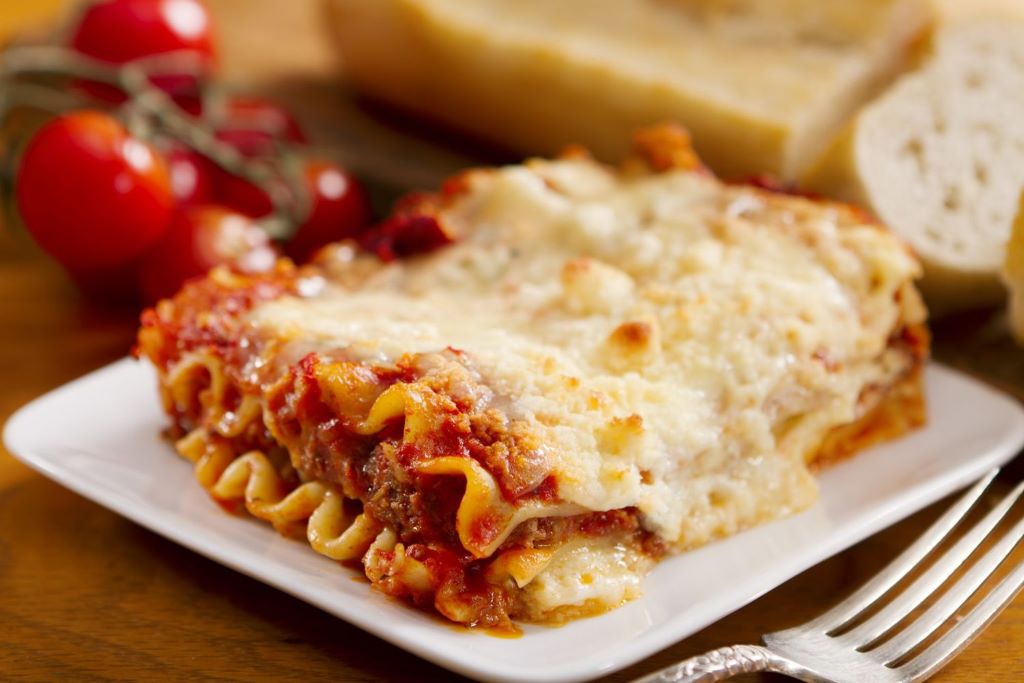
Once your lasagna noodles are cooked al dente, it’s crucial to handle them correctly to prevent sticking and breakage:
- Drain Immediately: As soon as the noodles finish cooking, drain them in a colander. Do not rinse the noodles, as the starch coating helps the sauce adhere better.
- Lay Flat: Gently lay the cooked noodles flat on a clean kitchen towel or baking sheet to prevent them from sticking together.
- Work Quickly: Try to assemble your lasagna relatively quickly after boiling the noodles. If the noodles sit out for too long, they can become dry and brittle.
Tips and Ideas for Elevated Lasagna
- No-Boil Lasagna Noodles: For added convenience, consider using no-boil lasagna noodles. These noodles soften during the baking process, eliminating the need for pre-boiling. However, be sure to use a sufficient amount of sauce to ensure they cook through properly.
- Layer with Confidence: When assembling your lasagna, ensure that the noodles are evenly layered with sauce and filling. Overlapping the noodles slightly can help prevent them from becoming dry during baking.
- Rest Before Serving: Once your lasagna is baked to perfection, allow it to rest for 15-20 minutes before cutting and serving. This allows the layers to settle and the flavors to meld, resulting in cleaner slices and a more enjoyable eating experience.
Other items you might enjoy: Tagliatelle Boiling Time: A Comprehensive Guide
Serving Your Masterpiece
- Presentation Matters: Cut your lasagna into neat squares and serve it on warm plates for an elegant touch.
- Garnish with Flair: Enhance the visual appeal and flavor of your lasagna with fresh herbs like basil or parsley, a sprinkle of grated Parmesan cheese, or a drizzle of extra virgin olive oil.
- Side Dish Suggestions: Pair your lasagna with a simple salad, garlic bread, or roasted vegetables for a well-balanced and satisfying meal.
Mastering the art of boiling lasagna noodles can transform your dish. With these helpful tips, you can elevate your lasagna from ordinary to extraordinary. With a bit of practice and attention to detail, you’ll soon be making delicious lasagna. Your creations will impress family and friends alike.