
Pastinaca sativa, more commonly known as parsnips, are root vegetables renowned for their sweet, earthy flavor and versatility in the kitchen. Boiling is a simple yet effective way to unlock their unique taste and nutritional benefits. Whether you’re a seasoned chef or a cooking newbie, this guide will walk you through the boiling process, offering valuable tips before and after, and showcasing delightful ways to serve this delicious vegetable.
Before Boiling: Essential Preparation Steps
- Selection: Choose firm parsnips with smooth, unblemished skin. Avoid those that are soft, shriveled, or have deep cracks. Smaller to medium-sized parsnips tend to be more tender and less fibrous.
- Cleaning: Thoroughly scrub the parsnips under cold running water to remove any dirt or debris. A vegetable brush can be helpful for getting into the crevices.
- Peeling: Use a vegetable peeler to remove the outer skin. While young, tender parsnips might not require peeling, older ones will benefit from it to reduce toughness.
- Cutting: Cut off both ends of the parsnip and then slice it in half lengthwise. For larger parsnips, you might want to quarter them. This will ensure even cooking.
Boiling Pastinaca: Timing is Key
- Cold Water Start: Place the prepared parsnips in a pot and cover them with cold water. Adding a pinch of salt can enhance the flavor.
- Bring to a Boil: Over medium-high heat, bring the water to a rolling boil.
- Reduce Heat: Once boiling, reduce the heat to maintain a gentle simmer.
- Boiling Time: The cooking time varies depending on the size of the parsnip pieces:
- Small to medium pieces: 15-20 minutes
- Large pieces: 20-30 minutes
- Tenderness Test: Parsnips are done when they can be easily pierced with a fork. Avoid overcooking, as they can become mushy.
After Boiling: Enhancing Flavor and Texture
- Draining: Drain the parsnips thoroughly in a colander.
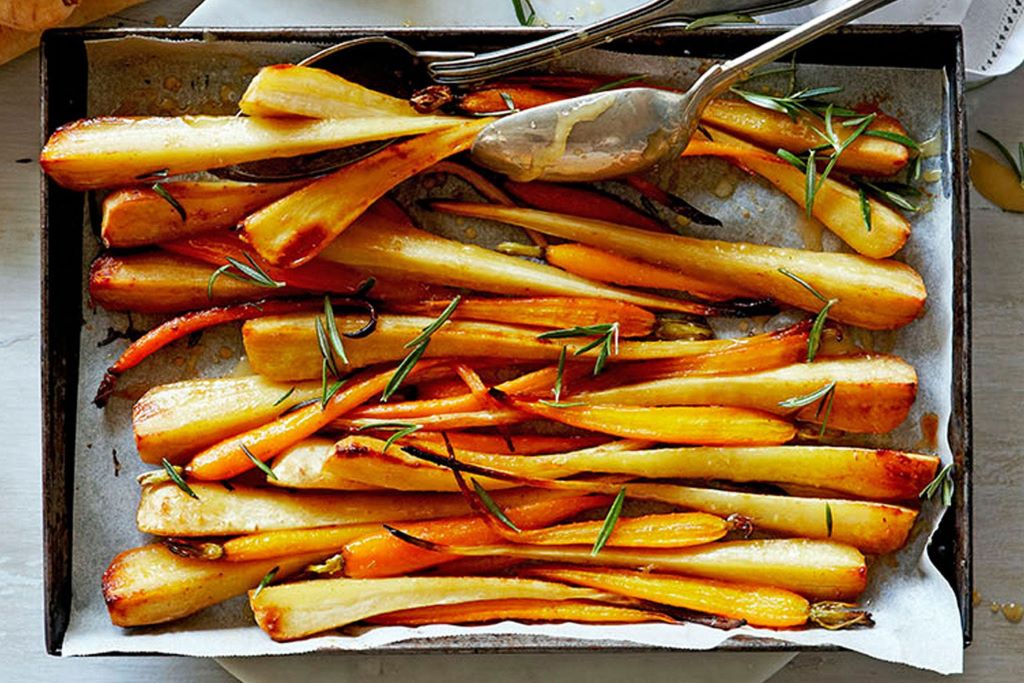
- Glazing (Optional): For a touch of sweetness and caramelization, toss the cooked parsnips in a pan with a bit of butter, honey, or maple syrup over low heat for a few minutes.
- Seasoning: Season with salt, pepper, or your favorite herbs and spices. Fresh parsley, thyme, or rosemary complement the parsnip’s flavor beautifully.
Serving Suggestions: A Culinary Delight
- Classic Side Dish: Serve the boiled parsnips as a simple yet elegant side dish alongside roasted meats, poultry, or fish.
- Mashed Parsnips: Mash the cooked parsnips with butter, milk, or cream for a creamy and flavorful alternative to mashed potatoes.
- Roasted Parsnips: Toss the boiled parsnips with olive oil, salt, and pepper, then roast them in the oven until golden brown and crispy for a delicious twist.
- Parsnip Fries: Cut the cooked parsnips into fries, toss them with oil and seasonings, and bake or air-fry until crispy.
- Soups and Stews: Add chopped boiled parsnips to soups and stews for extra depth and nutrition.
Boiling Carrots to Perfection: Preparation, Timing, and Serving Tips
Tips for the Adventurous Cook
- Spice it Up: Experiment with adding spices like cumin, coriander, or ginger to the boiling water for an exotic flavor profile.
- Citrus Zest: A sprinkle of lemon or orange zest can brighten the parsnips’ flavor.
- Sweet and Savory: Combine boiled parsnips with caramelized onions, apples, or dried cranberries for a sweet and savory dish.
With this comprehensive guide, you’re well-equipped to master the art of boiling parsnips and elevate them from a humble root vegetable to a culinary star. Whether enjoyed as a simple side or incorporated into more complex dishes, parsnips offer a unique flavor and texture that will surely impress your palate.