
Maccheroni, with its satisfyingly chewy texture and ability to hold onto sauces beautifully, is a beloved pasta worldwide. But achieving that perfect al dente bite requires more than just tossing it in boiling water. This comprehensive guide dives deep into the art of cooking maccheroni, covering everything from boiling times and pre-cooking preparations to post-boiling techniques and serving suggestions. Whether you’re a novice cook or a seasoned pasta enthusiast, you’ll find valuable insights to elevate your maccheroni game.
Understanding Maccheroni
Before we delve into the cooking process, let’s clarify what maccheroni is. While the term can be used broadly to refer to any tubular pasta shape, it typically denotes a specific type of elbow macaroni. This variety features narrow, slightly curved tubes and a ridged exterior, making it ideal for capturing sauces.
Pre-Boiling Preparations
Proper preparation is crucial for perfectly cooked maccheroni. Here are some key steps:
- Choose the Right Pot: Opt for a large pot with ample space for the pasta to move freely. A cramped pot can lead to uneven cooking and sticking.
- Water Quantity: Use a generous amount of water, about 6 quarts for every pound of pasta. This ensures even cooking and prevents the pasta from sticking together.
- Salt the Water: Add salt to the boiling water. This not only seasons the pasta but also raises the water’s boiling point, resulting in faster cooking. Aim for about 1-2 tablespoons of salt per gallon of water.
Boiling Time: The Key to Al Dente Perfection
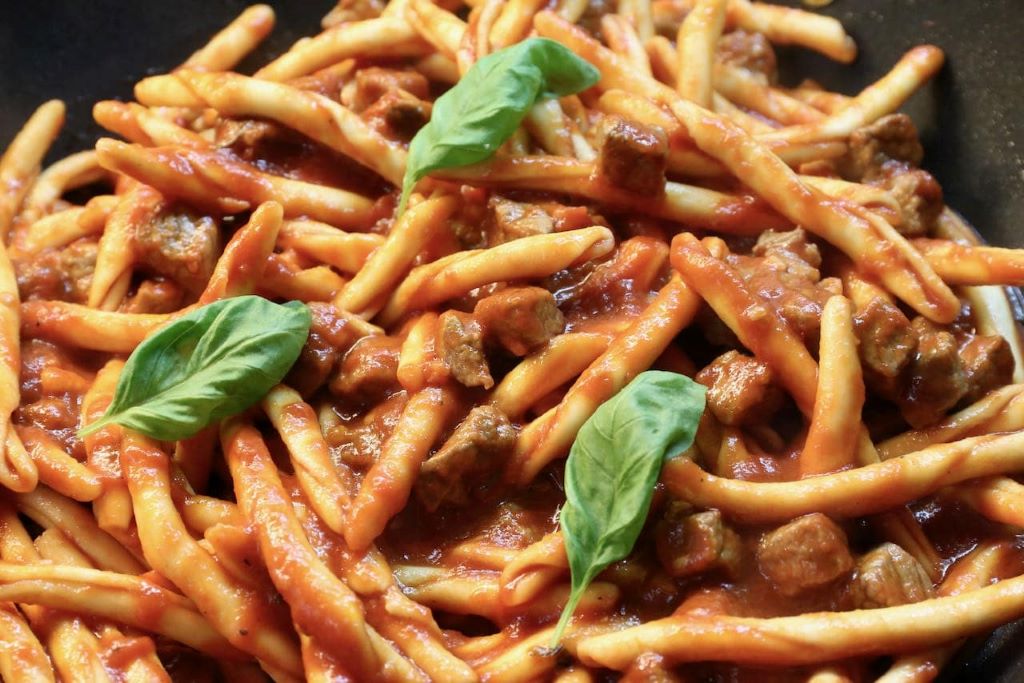
The holy grail of pasta cooking is achieving that perfect “al dente” bite – firm to the tooth yet cooked through. The boiling time for maccheroni can vary depending on factors like the pasta’s thickness and your desired texture. However, a general guideline is to cook it for 8-10 minutes.
Here’s a more detailed breakdown:
- 7-8 minutes: Slightly firm, ideal for pasta salads or dishes where the pasta will cook further.
- 8-9 minutes: Classic al dente, with a slight resistance in the center.
- 9-10 minutes: Softer texture, suitable for baked pasta dishes.
Pro Tip: Always refer to the package instructions for the recommended cooking time as it can vary slightly between brands.
Testing for Doneness: The best way to determine if your maccheroni is cooked perfectly is to taste it. Fish out a piece of pasta a minute or two before the recommended cooking time and bite into it. It should be firm but not crunchy.
Post-Boiling Techniques
Once your maccheroni is cooked, don’t just drain it and forget it! Here are some post-boiling techniques to enhance its flavor and texture:
- Save the Pasta Water: The starchy water is liquid gold! Reserve about a cup before draining. This water can be added to your sauce to create a creamy consistency and help it cling to the pasta.
- Don’t Over-Drain: Leave a little bit of cooking water clinging to the pasta. This prevents it from drying out and helps the sauce adhere better.
- Add Sauce Immediately: Toss the cooked maccheroni with your sauce immediately to prevent sticking. The heat from the pasta will help the sauce meld and coat every piece evenly.
Serving Suggestions
Maccheroni is incredibly versatile and pairs well with a wide variety of sauces and ingredients. Here are some serving ideas:
- Classic Pairings: Tomato sauce, marinara, pesto, and cheese sauces are all excellent choices.
- Creative Combinations: Experiment with different flavors and textures. Try a creamy mushroom sauce, a spicy arrabbiata, or a fresh and vibrant primavera.
- Beyond the Bowl: Maccheroni is not just for pasta dishes. Use it in soups, salads, and casseroles for a hearty and satisfying meal.
Mastering the Art of Perfectly Boiled Eggs: A Comprehensive Guide
Advanced Tips for Maccheroni Mastery
- Use High-Quality Pasta: Invest in good-quality durum wheat pasta. It holds its shape better and has a superior taste and texture.
- Don’t Break the Pasta: Cook maccheroni whole, unless a recipe specifically calls for breaking it.
- Stir Occasionally: Stir the pasta a few times during cooking to prevent sticking.
- Avoid Rinsing: Rinsing cooked pasta washes away the starch, which is essential for sauce adherence.
- Serve Immediately: Pasta is best enjoyed fresh. If you need to hold it, toss it with a little olive oil to prevent sticking.
You Might Enjoy: Mastering the Art of Boiling Quail Eggs: A Comprehensive Guide
Conclusion
Cooking maccheroni might seem simple, but mastering the process requires attention to detail and a few insider tips. By following this comprehensive guide, you can achieve perfectly cooked, flavorful maccheroni every time. So, grab your favorite sauce, put on a pot of water, and get ready to enjoy a delicious and satisfying pasta experience!