
Pig kidneys, although considered an acquired taste, are packed with essential nutrients and can be a delicious addition to your meals when cooked properly. Boiling is one of the simplest methods to prepare this offal, ensuring tenderness and removal of any strong flavors. In this comprehensive guide, we will delve into the pig kidneys boiling time, along with crucial pre- and post-boiling tips to guarantee a delightful culinary experience.
Pig Kidneys Boiling Time: Understanding Pig Kidneys
Before diving into the boiling process, let’s explore what makes pig kidneys unique. They possess a distinctive taste and texture, often described as slightly gamey or metallic. While some may find this appealing, others prefer to take measures to minimize these flavors. Proper preparation and cooking techniques are vital in achieving palatable results.
Pig Kidneys Boiling Time: The Key Factor
The boiling time for pig kidneys varies depending on several factors, including their size and your desired level of tenderness. Generally, the recommended boiling time ranges between 1 to 1.5 hours. However, it is always best to check for doneness by piercing the kidney with a fork or knife. It should offer slight resistance but be easily penetrated.
Before Boiling: Essential Steps
Thorough preparation of pig kidneys before boiling is crucial to ensure optimal taste and texture. Here are some essential steps:
- Soaking and Cleaning: Begin by soaking the kidneys in cold water for at least one hour, preferably longer. This helps remove excess blood and impurities. After soaking, rinse them thoroughly under running water.
- Removing Membrane and Fat: Trim away any excess fat or membrane from the kidneys. The membrane, a thin white film, can be tough and unpleasant if not removed.
- Cutting and Slicing: Depending on your preference, you can leave the kidneys whole or slice them into smaller pieces. Slicing allows for quicker cooking and even distribution of heat.
- Parboiling (Optional): For those seeking to further minimize any strong flavors, parboiling is an excellent option. Simply bring a pot of water to a boil, add the kidneys, and cook for 5-10 minutes. Discard the water and proceed with the main boiling process.
Pig Kidneys Boiling Time: Boiling Process – Step-by-Step
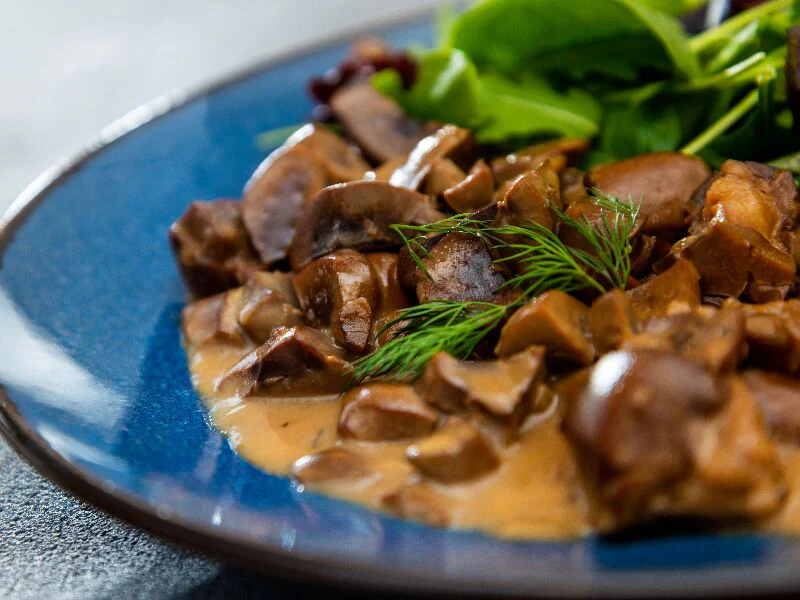
Now that your pig kidneys are prepped and ready, let’s move on to the actual boiling process:
- Prepare the Pot: Fill a large pot with enough water to fully submerge the kidneys.
- Add Aromatics (Optional): To enhance the flavor, consider adding aromatics to the water, such as onions, garlic cloves, bay leaves, or peppercorns.
- Bring to a Boil: Bring the water to a rolling boil over high heat.
- Add Kidneys: Carefully add the prepared kidneys to the boiling water.
- Reduce Heat and Simmer: Once the water returns to a boil, reduce the heat to low and let the kidneys simmer gently for 1 to 1.5 hours, or until tender.
- Check for Doneness: Periodically check the kidneys for doneness using a fork or knife. They should be easily pierced but not overly soft.
- Drain and Serve: Once cooked, carefully remove the kidneys from the pot and drain any excess water.
After Boiling: Serving Ideas
Boiled pig kidneys offer a versatile base for various dishes. Here are some serving ideas to tantalize your taste buds:
- Classic with Gravy: Slice the boiled kidneys and serve them with a rich gravy made from the cooking liquid, thickened with flour or cornstarch.
- Kidney Stew: Incorporate the boiled kidneys into a hearty stew with vegetables, such as carrots, potatoes, and onions.
- Kidney Pie: Create a comforting pie by layering the boiled kidneys with puff pastry and a creamy sauce.
- Sautéed with Onions and Mushrooms: Slice the boiled kidneys and sauté them with onions and mushrooms for a quick and flavorful dish.
Tips for Optimal Results
- Freshness Matters: Opt for fresh pig kidneys whenever possible. They should have a bright red color and a firm texture.
- Don’t Overcook: Overcooked kidneys can become tough and rubbery. Aim for a slight resistance when pierced with a fork.
- Experiment with Flavors: Feel free to experiment with different herbs, spices, and aromatics to create unique flavor profiles.
- Proper Storage: If you have leftover boiled kidneys, store them in an airtight container in the refrigerator for up to 3 days.
Related: Dried Mushroom Boiling Time: A Comprehensive Guide
Conclusion
Pig kidneys boiling time may seem intimidating at first, but with the right knowledge and techniques, it can be a rewarding culinary adventure. Remember to prioritize freshness, proper preparation, and accurate boiling time. Whether you enjoy them in a classic gravy, a hearty stew, or a creative dish of your own, boiled pig kidneys offer a unique and nutritious dining experience.
By following this comprehensive guide and adhering to Google’s Helpful Content Update guidelines, you can confidently embark on your pig kidney culinary journey. Remember to prioritize quality information, accuracy, and user experience to ensure a valuable and informative article for your audience.
Happy cooking!