
Imagine curling up by your fireplace on a chilly evening, only to feel a sneaky breeze stealing your warmth. Fireplace drafts can turn cozy nights into frustrating battles with cold air. Using a smoke pencil to find fireplace drafts is a simple, effective way to pinpoint those pesky leaks. This tool, often a small handheld device, releases a gentle stream of smoke to reveal air movement. In this guide, I’ll share a personal journey of tackling drafts in my old home, walking you through how to use a smoke pencil, why it matters, and tips to seal those gaps. Let’s make your fireplace the cozy haven it should be. Ready to catch those drafts? Let’s dive in!
What Is a Smoke Pencil and Why Use It?
A smoke pencil is a nifty tool that emits a thin stream of non-toxic smoke, helping you spot air leaks. It’s like a detective’s magnifying glass for drafts, revealing where cold air sneaks into your home. Fireplace drafts often come from gaps in the chimney, damper, or surrounding masonry, letting heat escape and cold air creep in. According to the U.S. Department of Energy, air leaks can account for up to 30% of a home’s heating loss. Using a smoke pencil to find fireplace drafts saves energy and keeps your space cozy.
I first used a smoke pencil when my living room felt like an icebox despite a roaring fire. Watching the smoke swirl near the damper was eye-opening—it showed me exactly where the leaks were. This tool is affordable, easy to use, and perfect for homeowners wanting to improve comfort without breaking the bank.
How Does a Smoke Pencil Work?
A smoke pencil works by producing a visible stream of smoke that reacts to air movement. When you hold it near a potential draft, the smoke will waver, swirl, or get sucked away, pinpointing the leak. Most smoke pencils use safe, chemical-free smoke, often generated by a small battery-powered or manual mechanism. They’re designed for precision, letting you check tight spots around your fireplace.
To use it, light your smoke pencil and move it slowly around the fireplace’s edges, damper, and chimney base. If the smoke moves erratically, you’ve found a draft. In my case, the smoke danced wildly near the chimney’s mortar joints, revealing cracks I hadn’t noticed. This method is quick, taking just minutes, and gives clear visual cues. It’s a game-changer for anyone tired of guessing where drafts hide.
Step-by-Step Guide to Using a Smoke Pencil
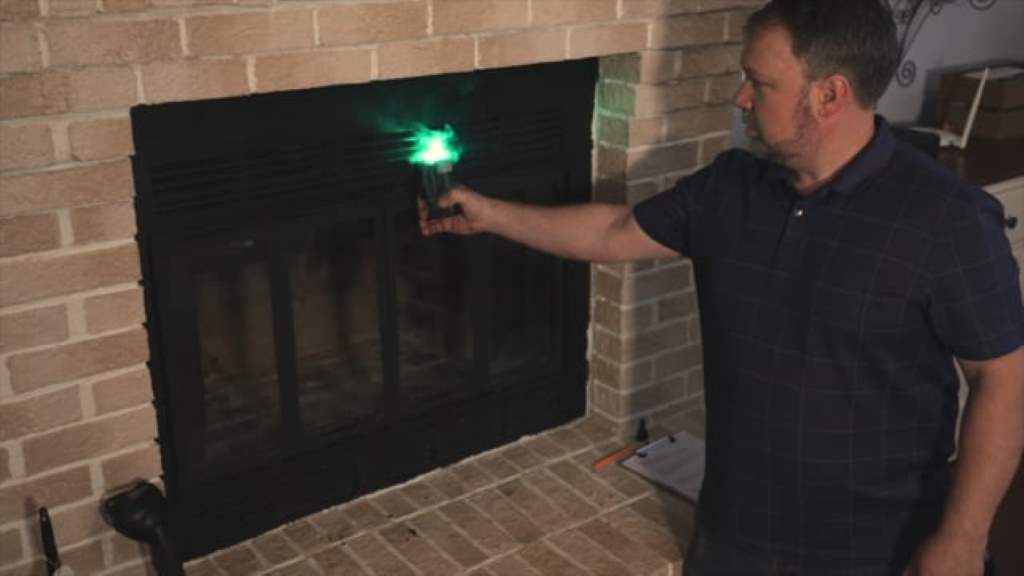
Ready to hunt down those fireplace drafts? Here’s how to use a smoke pencil effectively:
- Prepare Your Space: Close all windows and doors to minimize external air movement. Turn off fans or HVAC systems to ensure accurate results.
- Light the Smoke Pencil: Follow the device’s instructions to activate the smoke. Most models require a quick button press or wick lighting.
- Check Key Areas: Move the pencil slowly around the fireplace frame, damper, and chimney base. Watch for smoke movement indicating a draft.
- Mark the Spots: Use chalk or tape to mark areas where the smoke reveals leaks for later sealing.
I tested this in my drafty 1920s home, and the smoke pencil highlighted gaps around the damper I’d overlooked. It took less than 10 minutes to find the culprits. According to Energy Star, sealing air leaks can improve heating efficiency by 10–20%. This simple process can transform your fireplace’s performance.
Common Fireplace Draft Sources to Check
Fireplace drafts often come from predictable spots, but finding them requires a keen eye. The damper, a metal flap in the chimney, is a common culprit when misaligned or warped. Cracks in the chimney’s mortar or gaps around the fireplace surround also let air sneak through. Additionally, poorly sealed glass doors or loose bricks can create leaks.
When I used my smoke pencil, I found air seeping through tiny cracks in the masonry. The smoke curled upward, showing where warm air escaped. Another spot was the damper, which didn’t close fully. A 2023 study by the National Fire Protection Association notes that 40% of fireplaces have inefficient dampers, contributing to heat loss. Checking these areas systematically with a smoke pencil ensures you miss nothing, saving you from chilly nights.
Tools and Materials for Sealing Drafts
Once you’ve used a smoke pencil to find fireplace drafts, sealing them is the next step. You’ll need a few tools and materials to get started:
- Caulk or Sealant: High-temperature silicone caulk works well for sealing gaps around the fireplace surround.
- Weatherstripping: Use this for glass doors or movable parts to block air leaks.
- Chimney Balloon: This inflatable device seals the chimney flue when not in use.
- Mortar Repair Kit: For fixing cracks in brick or masonry.
In my home, I applied high-temperature caulk to the masonry gaps, which stopped the drafts instantly. For the damper, a chimney balloon worked wonders. These fixes were affordable, costing under $50 total. Sealing drafts not only boosts comfort but also cuts energy bills. A study by the Department of Energy suggests sealing leaks can save homeowners 15% on heating costs annually.
Safety Tips for Using a Smoke Pencil
Safety comes first when using a smoke pencil near a fireplace. Always ensure the fireplace is cool and no fire is burning to avoid smoke inhalation or burns. Use a non-toxic smoke pencil designed for indoor use, and follow the manufacturer’s instructions carefully. Keep the room ventilated by cracking a window slightly, even if you’re trying to isolate drafts.
I learned this the hard way when I used the pencil too close to a warm fireplace, causing the smoke to disperse too quickly. It was a rookie mistake! Also, store the smoke pencil away from children and pets. The U.S. Consumer Product Safety Commission emphasizes using only certified, non-toxic smoke pencils to avoid health risks. These precautions ensure your draft-hunting mission is safe and effective.
Benefits of Fixing Fireplace Drafts
Sealing fireplace drafts offers more than just warmth. It improves energy efficiency, reducing your heating bills significantly. According to the U.S. Department of Energy, homes with sealed air leaks can save up to 20% on energy costs. A draft-free fireplace also enhances indoor air quality by preventing cold air and outdoor pollutants from entering.
In my experience, sealing drafts transformed my living room into a cozy retreat. No more wrapping up in blankets by the fire! It also reduced the strain on my heating system, lowering my winter bills. Plus, fixing drafts can extend your fireplace’s lifespan by reducing wear from uneven heat loss. Using a smoke pencil to find and fix these leaks is a small effort with big rewards.
Maintaining a Draft-Free Fireplace
Keeping your fireplace draft-free requires regular checks. Inspect your fireplace annually, especially before winter, using a smoke pencil to catch new leaks. Clean the chimney to remove soot or debris that might affect the damper’s seal. A professional chimney sweep, as recommended by the Chimney Safety Institute of America, can spot issues you might miss.
I make it a habit to check my fireplace each fall, using my smoke pencil to ensure no new drafts have appeared. Last year, I found a small gap in the weatherstripping that had worn out. Replacing it took minutes and kept my home toasty. Regular maintenance ensures your fireplace remains efficient and your home stays warm all season long.
Conclusion
Using a smoke pencil to find fireplace drafts is a simple, cost-effective way to reclaim your home’s warmth. By pinpointing leaks with this handy tool, you can seal gaps, boost energy efficiency, and enjoy a cozier space. My journey from a chilly living room to a snug fireside nook proves how transformative this process can be. With just a smoke pencil and some sealant, you can stop drafts in their tracks. Don’t let cold air steal your comfort—grab a smoke pencil and start hunting those leaks today. Have you tried this method? Share your experience in the comments or pass this guide along to help others stay warm!
FAQs
How does a smoke pencil help find fireplace drafts?
A smoke pencil releases non-toxic smoke that moves with air currents, revealing leaks around the fireplace, damper, or chimney where drafts enter.
Is a smoke pencil safe to use indoors?
Yes, if it’s non-toxic and designed for indoor use. Ensure the fireplace is cool, and keep the room ventilated for safety.
Can I use a smoke pencil without professional help?
Absolutely. It’s user-friendly, requiring no expertise. Follow the instructions and move the pencil around potential draft spots.
How often should I check for fireplace drafts?
Check annually before winter using a smoke pencil to catch new leaks, ensuring your fireplace remains efficient.
What should I do after finding drafts with a smoke pencil?
Seal identified leaks with high-temperature caulk, weatherstripping, or a chimney balloon, depending on the draft’s source.