
Fireplaces add warmth, ambiance, and style to any home. However, choosing the right type is crucial for efficiency, safety, and aesthetics. The debate between zero clearance fireplaces vs masonry fireplaces is ongoing, as each has distinct advantages and drawbacks.
A zero clearance fireplace is a prefabricated unit designed to be installed near combustible materials, requiring minimal clearance. In contrast, a masonry fireplace is a traditional, handcrafted structure made from bricks or stone, built directly into a home’s foundation.
Which one is the right fit for your home? This guide explores their differences in terms of installation, cost, efficiency, maintenance, aesthetics, and safety, helping you make an informed decision.
What is a Zero Clearance Fireplace?
A zero clearance (ZC) fireplace is a pre-engineered, metal box unit that can be installed against wood framing without needing a buffer zone. These fireplaces come in gas, wood, electric, and propane options and are often chosen for their space-saving and energy-efficient properties.
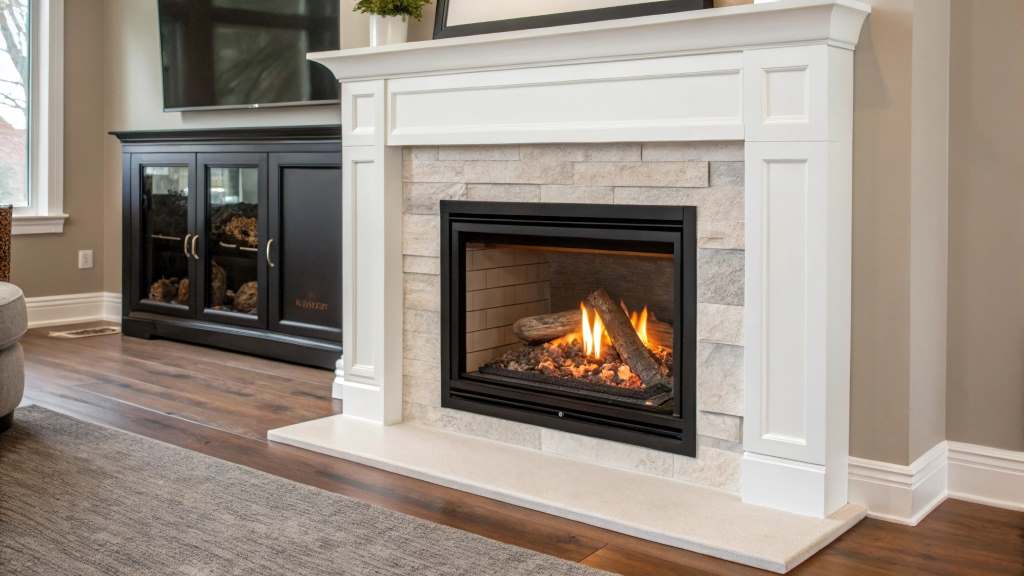
Key Features of Zero Clearance Fireplaces
- Pre-manufactured and designed for easy installation
- Can be placed close to combustible materials
- Available in wood-burning, gas, electric, or propane models
- Efficient heat output due to built-in insulation
- Lightweight and space-saving
Advantages of Zero Clearance Fireplaces
Easy Installation – Unlike masonry fireplaces, ZC fireplaces do not require a foundation. They can be installed in most homes without major modifications.
Energy-Efficient – Many models feature heat-circulating fans, improving warmth distribution. They retain more heat than masonry fireplaces.
Lower Cost – ZC fireplaces are more affordable than building a full masonry fireplace. Prices range from $1,500 to $5,000 depending on the model.
Flexible Fuel Options – Choose between wood, gas, propane, or electric, based on your heating preference and convenience.
Minimal Space Required – Their compact design makes them ideal for smaller homes or rooms with limited space.
Disadvantages of Zero Clearance Fireplaces
Shorter Lifespan – These fireplaces last about 20–30 years, while masonry fireplaces can last a lifetime.
Limited Customization – They lack the artistic craftsmanship of masonry fireplaces.
Potential Repair Costs – The metal structure may degrade over time, requiring maintenance.
What is a Masonry Fireplace?
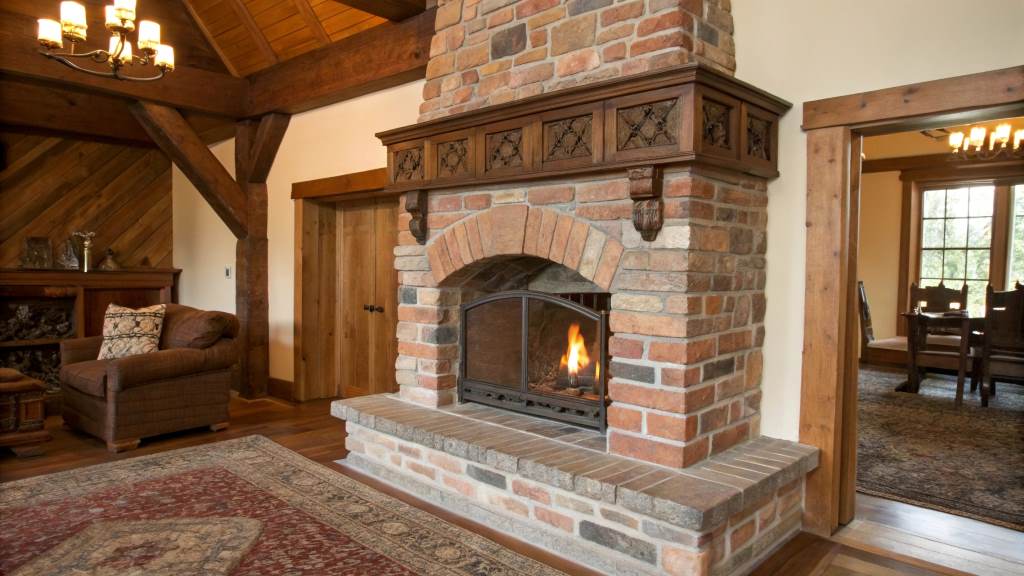
A masonry fireplace is a traditional, built-in fireplace made from brick, stone, or concrete, often complemented by rustic wood flooring for a warm, inviting ambiance. It is often handcrafted and designed to be a permanent architectural feature in a home.
Key Features of Masonry Fireplaces
- Constructed using bricks, stone, or concrete
- Built into the home’s foundation and chimney structure
- Typically wood-burning, though gas inserts can be added
- Provides aesthetic charm and long-term durability
Advantages of Masonry Fireplaces
Classic and Aesthetic Appeal – The handcrafted, custom design adds luxury and charm to any home.
Durability – Can last a lifetime with proper maintenance.
Higher Home Value – A well-built masonry fireplace increases property value, making it a long-term investment.
Better for Large Spaces – Generates a traditional ambiance ideal for spacious living rooms.
Disadvantages of Masonry Fireplaces
High Cost – Building a masonry fireplace costs between $7,000 to $30,000 due to materials and labor.
Inefficient Heat Output – Traditional masonry fireplaces lose up to 80% of their heat through the chimney.
Requires Structural Support – Needs a strong foundation due to its heavy weight.
Regular Maintenance Needed – Requires chimney cleaning and inspections to prevent fire hazards.
Installation: Which is Easier?
- Zero Clearance Fireplace: Can be installed in 1-2 days, requiring minimal renovations.
- Masonry Fireplace: Requires a foundation, chimney, and months of construction, making it more complex.
Winner: Zero Clearance Fireplace for its easy and cost-effective installation.
Heat Efficiency and Performance
Zero Clearance Fireplaces retain more heat since they are designed for efficiency, with some models reaching 75–85% efficiency.
Masonry Fireplaces are not energy-efficient, as they allow most heat to escape through the chimney.
Winner: Zero Clearance Fireplace due to its better heat retention.
Aesthetics and Customization
Zero Clearance Fireplaces come in various modern styles, including glass panels, steel finishes, and remote controls. However, they lack the timeless charm of masonry fireplaces.
Masonry Fireplaces offer unmatched craftsmanship and uniqueness with custom stonework and artistic designs.
Winner: Masonry Fireplace for aesthetic and architectural appeal.
Maintenance and Longevity
Zero Clearance Fireplaces require regular part replacements, including fans, vents, and gas components, with a lifespan of 20-30 years.
Masonry Fireplaces need annual chimney sweeping, but can last a lifetime with proper care.
Winner: Masonry Fireplace for long-term durability.
Safety Considerations
Zero Clearance Fireplaces:
- Designed with insulation and fireproof materials, reducing fire risks.
- Can overheat if improperly installed.
Masonry Fireplaces:
- More susceptible to creosote buildup, increasing chimney fire risk.
- Requires chimney caps and inspections for safety.
Winner: Zero Clearance Fireplace for better fire safety and efficiency.
Cost Comparison
| Feature | Zero Clearance Fireplace | Masonry Fireplace |
|---|---|---|
| Installation Cost | $1,500 – $5,000 | $7,000 – $30,000 |
| Maintenance Cost | Low ($50 – $500/year) | High ($200 – $1,000/year) |
| Lifespan | 20-30 years | Lifetime |
Winner: Zero Clearance Fireplace for affordability.
Which One Should You Choose?
Choose a Zero Clearance Fireplace if:
You want energy efficiency and low maintenance.
You have a smaller budget and need easy installation.
You prefer modern features like remote control and fan systems.
Choose a Masonry Fireplace if:
You value aesthetics and timeless appeal.
You want a long-term investment that adds property value.
You prefer traditional wood-burning fires.
FAQs
Are zero clearance fireplaces as warm as masonry fireplaces?
Yes, zero clearance fireplaces are more heat-efficient because they retain and distribute warmth better than masonry fireplaces.
Do masonry fireplaces increase home value?
Yes, a well-built masonry fireplace can add significant resale value due to its aesthetic and durable nature.
Can I convert a masonry fireplace into a zero clearance fireplace?
No, but you can install a fireplace insert into an existing masonry structure for better efficiency.
Which fireplace type is more eco-friendly?
Gas or electric zero clearance fireplaces produce fewer emissions, making them more environmentally friendly than wood-burning masonry fireplaces.
How long does a masonry fireplace last?
A well-maintained masonry fireplace can last a lifetime, while a zero clearance fireplace typically lasts 20–30 years.
Final Verdict
A zero clearance fireplace is the best choice for affordability, energy efficiency, and ease of installation, while a masonry fireplace wins in aesthetic appeal and durability. The right choice depends on your budget, home design, and heating needs.