
Our furniture, the silent anchors of our living spaces, endures a daily onslaught of dust, spills, and the general wear and tear of life. From the plush embrace of a beloved sofa to the gleaming surface of a cherished dining table, these pieces contribute significantly to our comfort and the aesthetic appeal of our homes. But how often do we truly consider the best way to clean them? Beyond a quick wipe-down, a comprehensive approach to furniture cleaning is essential for maintaining its beauty, extending its lifespan, and ensuring a healthy environment. This article delves into the intricacies of furniture cleaning, providing a step-by-step guide tailored to various materials and addressing common concerns.
Understanding Your Furniture: The Foundation of Effective Cleaning
Before diving into cleaning methods, it’s crucial to understand the materials your furniture is made from. Fabric, leather, wood, metal, and even glass each require specific cleaning techniques and products. Ignoring this fundamental step can lead to irreversible damage. For fabric furniture, identify the type of weave and fiber (cotton, linen, polyester, microfiber, etc.). Leather furniture demands specialized conditioners and cleaners, while wood furniture necessitates gentle, non-abrasive products that won’t strip its finish. Metal furniture may require rust-resistant solutions, and glass surfaces benefit from streak-free cleaners. Always refer to manufacturer labels or care instructions for specific guidance. This initial assessment lays the groundwork for a safe and effective cleaning process.
The Daily Dust-Off: Maintaining Cleanliness Between Deep Cleans
Regular dusting is the cornerstone of furniture maintenance. Dust, pet dander, and airborne particles accumulate quickly, dulling surfaces and potentially triggering allergies. For fabric furniture, use a soft brush attachment on your vacuum cleaner to remove loose particles from cushions, crevices, and upholstery. A microfiber cloth, slightly dampened, works wonders for wood and metal surfaces, trapping dust without scratching. Pay special attention to hard-to-reach areas like the backs of cushions, seams, and the underside of furniture. For delicate surfaces like glass or polished wood, consider using a specialized dust cloth or a feather duster. This daily or weekly routine significantly reduces the need for more intensive cleaning and preserves the furniture’s pristine appearance.
Tackling Fabric Upholstery: From Spot Cleaning to Deep Cleans
Fabric upholstery is susceptible to spills and stains, requiring prompt attention. For fresh spills, blot the area immediately with a clean, dry cloth or paper towel, avoiding rubbing, which can spread the stain. For stubborn stains, identify the type of stain and choose an appropriate cleaning solution. Many commercial upholstery cleaners are available, but a mild solution of dish soap and water can often suffice.
Always test any cleaning solution on an inconspicuous area first to ensure it doesn’t cause discoloration or damage. For deep cleaning, consider renting or purchasing a steam cleaner or upholstery extractor. These machines use hot water and cleaning solutions to penetrate deep into the fabric, lifting dirt and grime. Allow the furniture to air dry completely after cleaning to prevent mold or mildew growth.
Leather Love: Nourishing and Protecting Your Investment
Leather furniture requires a delicate touch. Regular dusting with a soft cloth is essential to prevent dirt buildup. For deeper cleaning, use a leather-specific cleaner and conditioner. Apply the cleaner with a soft cloth, gently wiping away dirt and grime. Follow up with a leather conditioner to replenish the natural oils and prevent cracking. Avoid using harsh chemicals, solvents, or abrasive cleaners on leather, as these can strip its protective finish and cause irreversible damage. For spills, blot immediately with a clean, dry cloth. If the stain persists, consult a professional leather cleaner. Regular conditioning, every few months, will keep your leather furniture supple and prevent it from drying out and cracking.
Related: The Definitive Guide to Sparkling Floors: Finding the Best Cleaning Method for Your Home
Wood Wonders: Preserving the Natural Beauty of Wood Furniture
Wood furniture requires a gentle approach. Regular dusting with a microfiber cloth or a soft cloth dampened with water is sufficient for everyday cleaning. For deeper cleaning, use a wood-specific cleaner or a mild solution of dish soap and water. Avoid using excessive water, which can damage the wood finish. Apply the cleaner with a soft cloth, wiping in the direction of the wood grain. For stubborn stains or scratches, consider using a wood polish or touch-up pen. Regular polishing, every few months, will enhance the wood’s natural luster and protect it from scratches and moisture. Avoid placing wood furniture in direct sunlight or near sources of heat, as this can cause it to fade or warp.
Metal Marvels: Keeping Metal Furniture Rust-Free and Gleaming
Metal furniture, whether it’s wrought iron, stainless steel, or aluminum, requires specific care to prevent rust and maintain its shine. Regular dusting with a microfiber cloth is essential. For deeper cleaning, use a mild solution of dish soap and water. For rust removal, use a rust remover or a mixture of lemon juice and salt. Apply the cleaner with a soft cloth, scrubbing gently to remove rust and grime. For stainless steel, use a specialized stainless steel cleaner to prevent fingerprints and watermarks. Regular cleaning and polishing will keep your metal furniture looking its best.
Related: Embers to Elegance: Mastering the Art of Fireplace Cleaning (And Why It Matters)
Glass Gleam: Achieving Streak-Free Surfaces
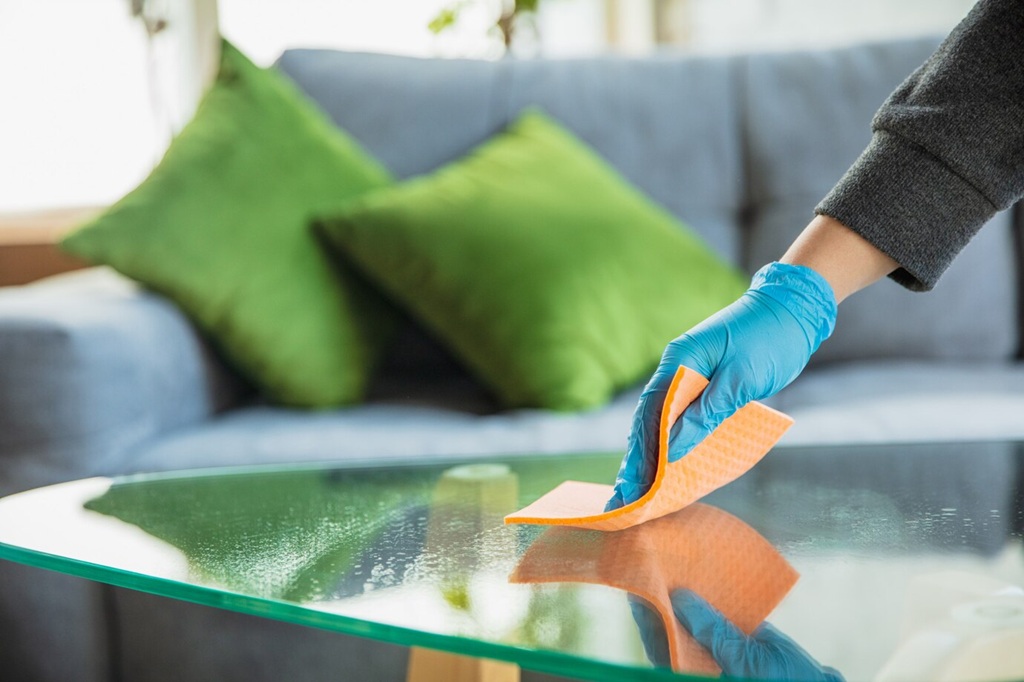
Glass furniture, whether it’s a coffee table or a display cabinet, requires a streak-free finish. Use a glass cleaner or a mixture of vinegar and water to clean glass surfaces. Apply the cleaner with a lint-free cloth or paper towel, wiping in a circular motion. For stubborn fingerprints or smudges, use a microfiber cloth. Regular cleaning will keep your glass furniture sparkling and free of streaks.
Related: Quick Kitchen Cleaning Tips for Busy Families: Taming the Chaos
People Also Ask (FAQs):
-
How often should I deep clean my furniture?
- The frequency of deep cleaning depends on the type of furniture and its usage. Fabric upholstery may require deep cleaning every 6-12 months, while leather furniture may only need it once a year. Wood furniture benefits from polishing every few months.
-
Can I use baking soda to clean the upholstery?
- Yes, baking soda is a natural deodorizer and can be used to remove odors from fabric upholstery. Sprinkle baking soda on the fabric, let it sit for 15-30 minutes, and then vacuum it up.
-
How do I remove pet hair from furniture?
- A lint roller, a pet hair brush, or a vacuum cleaner with a pet hair attachment can effectively remove pet hair from furniture. Dampening a rubber glove and running it across the fabric also helps.
-
What is the best way to remove water stains from wood furniture?
- Try using a hair dryer on a low setting to evaporate the water. You can also try rubbing the stain with a cloth dampened with mayonnaise or toothpaste.
-
How do I prevent my leather furniture from cracking?
- Regularly condition your leather furniture with a leather-specific conditioner. Avoid placing it in direct sunlight or near sources of heat.
-
Can I use bleach on fabric upholstery?
- Avoid using bleach on fabric upholstery, as it can cause discoloration and damage. Spot-test any cleaning solution on an inconspicuous area first.
-
What are the best natural cleaning solutions for furniture?
- Vinegar, baking soda, lemon juice, and olive oil are effective natural cleaning solutions for various furniture surfaces.
-
How to clean microfiber furniture?
- Microfiber can be cleaned with rubbing alcohol, or a specific microfiber cleaner. Always test in a hidden area first.
-
How to remove odors from furniture?
- Baking soda, vinegar, and activated charcoal are effective odor absorbers. Airing out the furniture in a well-ventilated area also helps.
Conclusion: A Clean Home, A Happy Home
Maintaining clean furniture is an essential aspect of home care. By understanding the specific needs of different materials and implementing regular cleaning routines, you can preserve the beauty and longevity of your furniture. From the daily dust-off to the occasional deep clean, each step contributes to a healthier and more inviting living space. Remember to always test cleaning solutions on inconspicuous areas and consult professional cleaners for stubborn stains or delicate materials. A clean home is a happy home, and your furniture plays a vital role in creating that welcoming atmosphere. By investing time and effort into furniture cleaning, you’re not just maintaining your possessions, you’re enhancing your quality of life.