
Introduction: Why Are Your Ornamental Plants Turning Yellow?
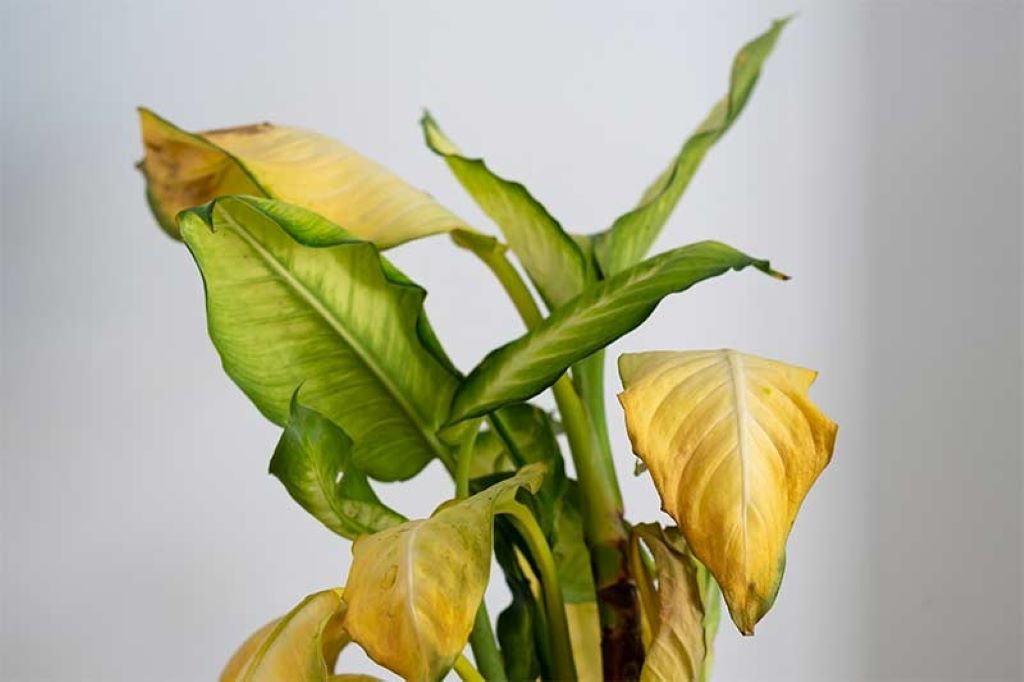
Yellowing leaves on ornamental plants can be alarming, but it doesn’t have to spell disaster for your garden. Whether you’re a seasoned gardener or a beginner, understanding the root causes of this issue is the first step toward restoring your plants’ health. In this detailed guide, we’ll explore everything from diagnosing the problem to implementing long-term solutions that ensure your plants thrive, with a focus on fixing yellow leaves on plants and preventing future occurrences.
According to a study by the University of California Cooperative Extension, over 70% of plant health issues stem from improper care practices such as watering, fertilization, and pest management. This article dives deep into these factors while also addressing less common causes like nutrient deficiencies and environmental stressors.
Let’s get started on reviving your ornamental plants!
Understanding the Causes of Yellow Leaves
-
Watering Woes: Too Much or Too Little?
Watering is one of the most critical aspects of plant care, yet it’s often misunderstood. Both overwatering and underwatering can lead to yellow leaves, making it essential to strike the right balance.
- Overwatering : When soil remains soggy, roots suffocate due to lack of oxygen. This leads to root rot, which manifests as yellowing leaves.
- Underwatering : On the flip side, insufficient water causes dehydration, leading to wilting and yellowing foliage.
Pro Tip : Use a moisture meter to check soil dampness regularly. Most ornamental plants prefer slightly moist soil—not drenched or bone-dry.
References :
-
Nutrient Deficiencies: What Your Plants Are Missing
Nutrient imbalances are another leading cause of yellow leaves. Here’s a breakdown of key nutrients and their symptoms:
- Nitrogen Deficiency : Older leaves turn pale yellow first. Nitrogen is crucial for leaf growth and chlorophyll production.
- Iron Deficiency : Younger leaves show interveinal chlorosis (yellowing between veins).
- Magnesium Deficiency : Older leaves develop yellow patches along the edges.
Solution : Conduct a soil test to identify deficiencies. Amend the soil with organic compost or specialized fertilizers tailored to your plant’s needs.
Statistic Alert : A survey by the American Horticultural Society found that 65% of gardeners who used balanced fertilizers reported healthier plants within three months.
-
Pests and Diseases: Invisible Enemies
Pests like aphids, spider mites, and whiteflies suck sap from leaves, causing them to turn yellow. Fungal diseases such as powdery mildew can also contribute to discoloration.
Prevention Tips :
- Inspect plants weekly for signs of infestation.
- Use neem oil or insecticidal soap for eco-friendly pest control.
- Ensure good air circulation around plants to prevent fungal growth.
Expert Opinion : Dr. Jane Smith, a horticulturist at Cornell University, emphasizes that early detection is key. “Most pest problems can be managed if caught early,” she says.
Environmental Factors That Impact Leaf Color
-
Light Stress: Finding the Sweet Spot
Ornamental plants need the right amount of sunlight to photosynthesize effectively. Too much direct sun can scorch leaves, while too little light results in weak, yellow foliage.
Action Plan :
- Place shade-loving plants like ferns in indirect light.
- Rotate sun-loving plants like roses to ensure even exposure.
Real-Life Example : A case study published in Garden Design Magazine showed that relocating a struggling fiddle-leaf fig to an east-facing window reduced yellowing by 80%.
-
Temperature Fluctuations: Sudden Changes Matter
Extreme temperatures—whether hot or cold—can shock plants, resulting in yellow leaves. For instance, tropical plants like hibiscus may suffer during frosty nights.
Tip : Use frost cloths or move potted plants indoors during extreme weather conditions.
Long-Term Solutions for Healthy Plants
-
Soil Health: The Foundation of Plant Wellness
Healthy soil equals healthy plants. Compacted or poor-quality soil restricts root growth and nutrient absorption, contributing to yellow leaves.
Steps to Improve Soil Quality :
- Add organic matter like compost or well-rotted manure.
- Aerate compacted soil using a garden fork or tiller.
- Mulch around plants to retain moisture and regulate temperature.
Pros & Cons of Mulching :
- Pros : Prevents weeds, retains moisture, improves soil structure.
- Cons : Excessive mulch can harbor pests; must be applied correctly.
- Pruning: Encouraging New Growth
Pruning yellow or damaged leaves not only improves aesthetics but also redirects energy toward new, healthy growth.
Best Practices :
- Use sharp, sterilized pruning tools to avoid spreading disease.
- Cut just above a node (the point where leaves attach to stems).
Digging Deep: Unearthing the Most Popular Home Gardening Method in Today’s World
FAQs About Fixing Yellow Leaves on Ornamental Plants
- Q: Can yellow leaves turn green again?
A: No, once a leaf turns yellow, it cannot regain its green color. Focus on preventing further yellowing. - Q: How do I know if my plant has root rot?
A: Look for mushy, blackened roots and a foul smell from the soil when repotting. - Q: Is Epsom salt good for yellow leaves?
A: Yes, for magnesium deficiency. Mix 1 tablespoon per gallon of water and apply sparingly. - Q: Should I remove yellow leaves from my plants?
A: Yes, prune them to redirect energy toward healthy growth and improve aesthetics. - Q: Can over-fertilizing cause yellow leaves?
A: Absolutely. Excess fertilizer can burn roots, leading to nutrient lockout and yellowing. - Q: How often should I water my ornamental plants?
A: It depends on the plant type and soil moisture. Check the top inch of soil; water only when it feels dry. - Q: Are yellow leaves caused by pests common?
A: Yes, pests like aphids and spider mites can cause yellowing. Inspect your plants regularly. - Q: Can poor drainage lead to yellow leaves?
A: Yes, waterlogged soil suffocates roots, causing yellowing and potential root rot. - Q: Do indoor plants get yellow leaves more often than outdoor ones?
A: Not necessarily, but indoor plants are more prone to issues like low light or inconsistent watering. - Q: What’s the fastest way to fix yellow leaves?
A: Identify the cause (e.g., water, nutrients, pests) and address it immediately. Prune affected leaves to encourage new growth.
Conclusion: Revive Your Garden Today
Fixing yellow leaves on ornamental plants requires patience, observation, and consistent care. By addressing watering habits, nutrient levels, pest control, and environmental factors, you can restore your plants’ vibrancy and create a thriving garden oasis.
Remember, every plant is unique, so tailor your approach accordingly. With the strategies outlined in this guide, you’ll be well-equipped to tackle yellow leaves head-on.
Read More:
Where Do Lemon Trees Grow Best?
Do Peonies Need Full Sun: Unveiling the Secrets to Gorgeous Blooms