
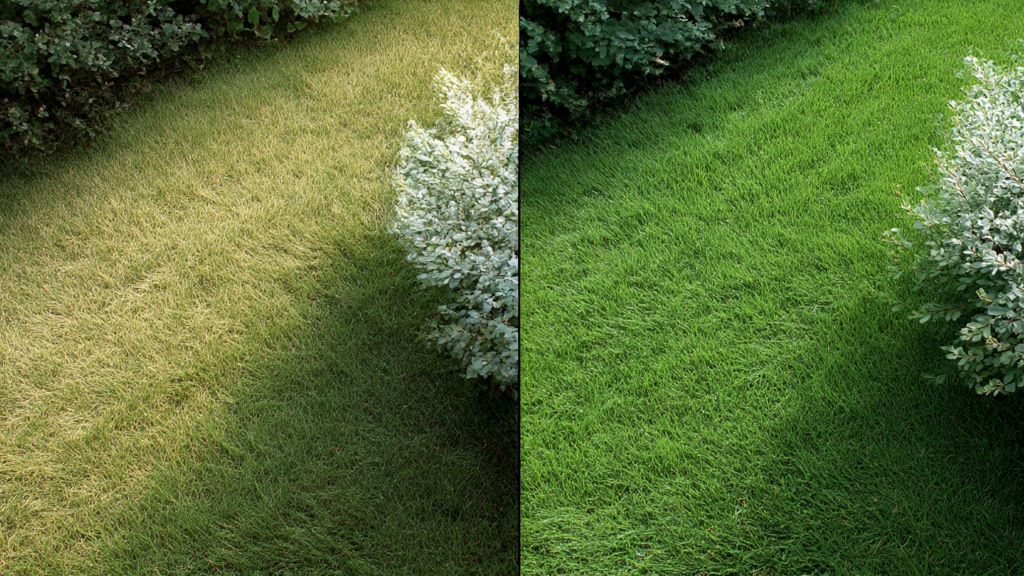
Pale, discolored grass can turn a beautiful lawn into an eyesore almost overnight. Many homeowners struggle with this common problem, wondering what went wrong and how to restore their lawn’s vibrant green color. The good news is that pale grass is usually treatable once you identify the underlying cause. Whether you’re dealing with nutrient deficiencies, disease, or environmental stress, the right spray application can make all the difference in bringing your lawn back to life.
Understanding what to spray on grass that looks pale starts with recognizing the symptoms and their causes. According to experts at Boyers Lawn Care, pale or yellowing grass typically indicates your lawn is crying out for help. The solution might be as simple as applying the right fertilizer or treating a specific deficiency. However, choosing the correct treatment requires a bit of detective work to determine exactly what your grass needs.
Understanding Why Grass Turns Pale
Before reaching for any spray bottle, you need to understand why your grass lost its color in the first place. Pale grass can result from various issues including nitrogen deficiency, iron chlorosis, improper watering, soil pH imbalances, or pest damage. Each cause requires a different treatment approach. For comprehensive information about grass yellowing what to use as a remedy, it helps to first diagnose the specific problem affecting your lawn.
Additionally, pale grass might indicate disease problems such as fungal infections or environmental stresses like heat damage or compacted soil. The color of the yellowing can provide clues too. A uniform pale yellow across the entire lawn often points to nitrogen deficiency, while yellowing with green veins suggests iron deficiency. Patchy yellow spots might indicate disease or pest activity.
Nitrogen-Based Fertilizer Sprays
Nitrogen deficiency is the most common reason for pale grass. This essential nutrient gives grass its rich green color and promotes healthy growth. When grass lacks nitrogen, it turns pale yellow starting from the tips of older blades. Fortunately, this problem has a straightforward solution.
Liquid nitrogen fertilizers offer the fastest results for pale grass. These sprays deliver nutrients directly to the grass blades and roots, providing a quick green-up effect within days. Look for products with a high first number in the NPK ratio, such as 30-0-0 or 20-5-5. Water-soluble urea-based fertilizers work particularly well because grass can absorb them quickly.
For best results, apply liquid nitrogen fertilizer during the growing season when grass actively absorbs nutrients. Mix according to package directions and apply using a pump sprayer or hose-end sprayer. Therefore, always water your lawn after application to prevent burning and help nutrients reach the root zone.
Iron Supplements for Chlorotic Grass
Sometimes grass turns pale yellow while the veins remain green. This distinctive pattern indicates iron chlorosis, a condition where grass cannot access enough iron from the soil. Iron deficiency commonly occurs in alkaline soils with pH levels above 7.0, which bind iron and make it unavailable to plants.
Iron supplements provide an immediate solution for this type of pale grass. Chelated iron sprays work best because they remain available to plants even in alkaline conditions. These products typically contain iron in forms like iron sulfate or iron chelate. Consequently, you’ll notice results within 24 to 48 hours as grass blades darken to a healthy green color.
Apply iron supplements carefully because they can stain concrete, pavement, and clothing. Spray directly on grass blades during cool morning hours to maximize absorption. Moreover, consider addressing the underlying pH problem by applying sulfur to gradually lower soil alkalinity over time.
Combination Nutrient Sprays
Many pale grass problems stem from multiple deficiencies rather than a single missing nutrient. Combination sprays offer a comprehensive solution by delivering several essential nutrients at once. These products typically contain nitrogen, iron, manganese, and other micronutrients that grass needs for vibrant color and healthy growth.
Foliar feeding with combination sprays provides quick results because nutrients absorb directly through grass blades. This method bypasses soil chemistry problems that might prevent root uptake. However, foliar feeding provides temporary relief and should be combined with soil-based treatments for long-term improvement.
Look for products specifically labeled for greening up lawns or treating chlorosis. Many contain both quick-release and slow-release nutrients for immediate and sustained results. Apply these sprays every two to four weeks during the growing season for optimal color.
Disease and Pest Control Sprays
Pale grass doesn’t always indicate nutrient deficiency. Sometimes diseases or pests cause discoloration that mimics nutritional problems. Fungal diseases like dollar spot, rust, and powdery mildew can cause grass to turn pale yellow or brown. Similarly, insect pests such as chinch bugs and grubs damage grass roots, leading to pale, dying patches.
If you suspect disease or pests, choose appropriate control sprays rather than fertilizers. Fungicides treat fungal infections, while insecticides eliminate pest problems. According to the University of California Agriculture and Natural Resources, proper diagnosis is crucial before applying any treatment to ensure you’re addressing the actual problem.
Disease and pest sprays work best when applied at the first sign of trouble. Follow label directions carefully regarding timing, application rates, and safety precautions. Furthermore, improving cultural practices like proper mowing height and watering can prevent many disease and pest problems from occurring.
Organic and Natural Spray Options
Many homeowners prefer organic solutions for treating pale grass. Natural sprays can effectively restore grass color without synthetic chemicals. Compost tea, fish emulsion, and seaweed extracts all provide nutrients that green up pale lawns naturally.
Compost tea delivers beneficial microorganisms along with nutrients, improving both grass color and soil health. Fish emulsion provides readily available nitrogen and trace minerals. Seaweed extracts contain natural plant hormones and micronutrients that promote deep green color and stress resistance.
These organic options typically require more frequent applications than synthetic fertilizers but offer environmental benefits and soil improvement. Mix according to package directions and apply every two to three weeks during the growing season. Additionally, organic sprays often improve soil biology, leading to healthier grass over time.
Application Tips for Best Results
Proper application technique ensures your chosen spray works effectively. Always apply sprays during cool morning hours when grass blades are dry. This timing allows maximum absorption before heat or dew dilutes the product. Avoid spraying during hot afternoon sun, which can cause burning.
Calibrate your sprayer to deliver the correct amount of product per square foot. Too little spray won’t solve the problem, while too much can damage grass or waste money. Most products specify coverage rates on their labels. Therefore, measure your lawn area accurately before mixing solutions.
Water your lawn before applying most fertilizer sprays to open grass pores for better absorption. However, avoid watering immediately after application unless the label specifically recommends it. Give products time to absorb into grass blades before irrigation washes them away.
When to Call a Professional
Some pale grass situations require professional expertise. If your lawn doesn’t respond to home treatments within a few weeks, consult a lawn care professional. Complex problems like severe soil compaction, persistent disease, or major pH imbalances often need professional diagnosis and treatment.
Professional lawn care services have access to commercial-grade products and equipment that deliver superior results. They can also conduct soil tests to identify precise deficiencies and recommend targeted solutions. Moreover, professionals understand local grass types, climate conditions, and common regional lawn problems.
Conclusion
Treating pale grass successfully depends on identifying the underlying cause and choosing the appropriate spray solution. Nitrogen-based fertilizers address the most common cause of pale grass, while iron supplements fix chlorotic yellowing with green veins. Combination sprays provide comprehensive nutrition for overall lawn health. Remember that disease and pest problems require specific control products rather than fertilizers. Whether you choose synthetic or organic options, proper application timing and technique ensure the best results. By understanding your lawn’s specific needs and responding with targeted treatments, you can restore that rich, vibrant green color every homeowner desires.
Frequently Asked Questions
How quickly will my pale grass turn green after spraying?
Results depend on the product and problem. Liquid nitrogen fertilizers typically show improvement within 3-7 days, while iron supplements can green up grass within 24-48 hours. Organic products usually take 1-2 weeks to show visible results. Severe deficiencies may require multiple applications over several weeks.
Can I spray fertilizer on wet grass?
Generally, spray fertilizer on dry grass blades for best absorption. Wet grass dilutes the product and reduces effectiveness. However, soil should be moist before application. Wait until morning dew evaporates, then spray during cool hours before grass gets too hot.
How often should I spray pale grass?
Application frequency varies by product type. Quick-release liquid fertilizers can be applied every 2-3 weeks during growing season. Slow-release products may only need monthly applications. Always follow label recommendations and avoid over-application, which can damage grass.
Will spraying fix all pale grass problems?
Spraying effectively treats nutrient deficiencies, which cause most pale grass issues. However, problems like soil compaction, poor drainage, or severe pH imbalances require additional solutions beyond spraying. Some situations need core aeration, soil amendments, or other cultural practices.
Is it better to spray or use granular fertilizer for pale grass?
Liquid sprays provide faster results because nutrients absorb directly through grass blades. They’re ideal for quick green-up. Granular fertilizers release nutrients more slowly but last longer. Many homeowners use liquid sprays for immediate correction, then maintain with granular products.
Related Topics:
Outdoor Garden Ideas For Garden Layout
Digging Deep: Unearthing the Most Popular Home Gardening Method in Today’s World