
Imagine stepping into your bathroom every morning, only to be greeted by outdated fixtures, leaky faucets, and a layout that cramps your style. It’s frustrating, right? That constant drip or the mold creeping up the walls can turn a simple routine into a daily hassle. Worse, an inefficient bathroom wastes water, hikes up bills, and even poses safety risks like slippery floors. But here’s the good news: bathroom remodeling can transform that problem space into a functional oasis. Bathroom remodeling involves updating fixtures, layouts, and designs to improve functionality, aesthetics, and value. It’s not just a facelift; it’s a smart investment that boosts home equity by up to 60-70% of the cost, according to industry data. In this article, we’ll guide you through the process using the right way—avoiding pitfalls that lead to regrets. Whether you’re dealing with a small powder room or a master suite, proper planning turns aggravation into satisfaction. Let’s explore how to remodel a bathroom step by step, drawing from real case studies like a Seattle luxury remodel where homeowners gained 20% more space without expanding walls.
What Is Bathroom Remodeling?
Bathroom remodeling is the process of updating and redesigning your bathroom space to enhance functionality, style, and efficiency.
This can range from minor updates like new paint and fixtures to a full gut renovation involving plumbing and electrical changes. It’s about addressing pain points—think cramped showers or poor lighting—and creating a space that fits your lifestyle. For instance, in a case study from Houzz, a dark, outdated bathroom was transformed into a spa-like retreat with better ventilation and natural light, improving daily use dramatically. Key elements include selecting durable materials, optimizing layout for flow, and incorporating energy-efficient features. Semantic terms like bathroom renovation or bath redesign often overlap, but remodeling typically implies structural changes. Done right, it adds real value; a mid-range remodel recoups about 80% at resale. Focus on user intent: if you’re remodeling for accessibility, add grab bars; for luxury, consider heated floors. Always start with a clear vision to avoid mid-project chaos.
How Much Does Bathroom Remodeling Cost?
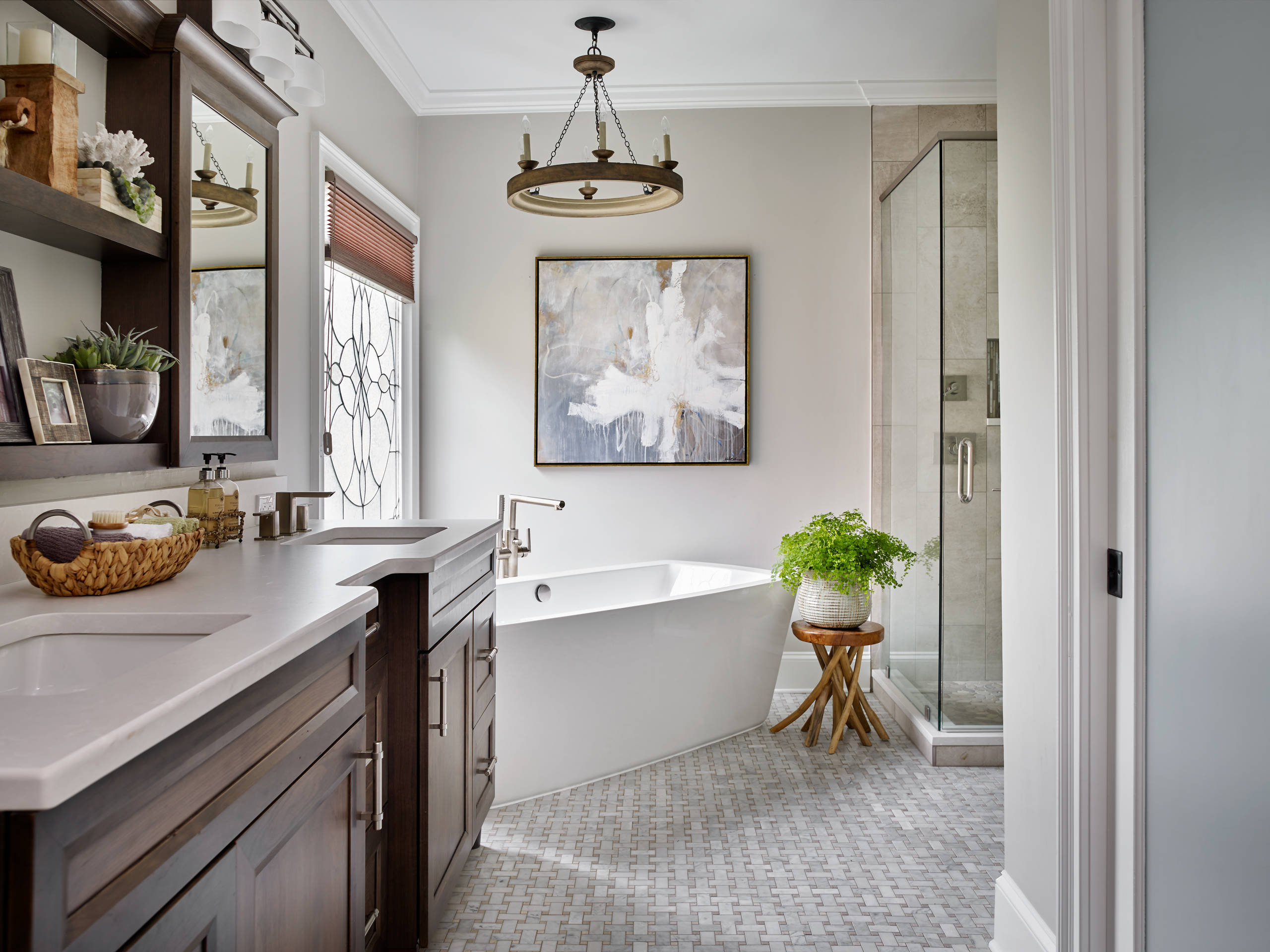
The average cost for bathroom remodeling in 2025 is around $12,125, with ranges from $6,639 to $17,621 depending on scope and location.
Costs vary by project type. A basic refresh might run $2,500-$7,000, covering paint, fixtures, and minor updates. Mid-range remodels, popular for most homeowners, average $18,000-$30,000 and include new tiling, vanities, and energy-efficient lighting. Luxury options exceed $30,000, featuring custom cabinets and smart tech. Factors influencing price: labor (40-60% of total), materials, and permits. In high-cost areas like California, expect 20-30% more. A 5×10 bathroom remodel typically costs $8,000-$15,000. From a real case study on Sweeten, a small bathroom renovation in urban areas hit $15,000 due to premium tiles and fixtures, but rural versions stayed under $10,000. Budget wisely—add 20% for surprises like hidden plumbing issues. Use tools like cost calculators to estimate. Remember, quality investments pay off; cheap materials lead to repairs down the line.
| Remodel Type | Average Cost | Includes |
|---|---|---|
| Low-End | $2,500-$7,000 | Paint, basic fixtures, minor repairs |
| Mid-Range | $18,000-$30,000 | New tiling, vanity, lighting upgrades |
| High-End | $30,000+ | Custom designs, smart features, luxury materials |
What Are the Steps to Remodel a Bathroom?
To remodel a bathroom, follow these key steps: plan and budget, demolish, update plumbing/electrical, install fixtures, and finish with details.
Start with planning: Assess your space, set a budget, and sketch layouts. Decide if you’re keeping the current setup or reconfiguring. In a Joan Bissdorf case study, sketching ideals helped align feasibility with costs. Next, demolition—remove old fixtures carefully to avoid damage. Then, rough-in: Update plumbing and electrical for safety and efficiency. Install subfloor and waterproofing before tiling floors and walls. Add the shower or tub, followed by vanity and cabinets. Paint, light, and accessorize last. A Budget Dumpster guide outlines seven steps, emphasizing proper subfloor prep to prevent future issues. Timeline? 2-4 weeks for pros, longer for DIY. Always inspect for mold during demo. Use semantic keywords like bathroom renovation steps for better search alignment. This structured approach ensures a smooth transformation.
- Plan and budget: Define goals, measure space.
- Demolish: Remove old elements safely.
- Rough-in: Plumbing, electrical updates.
- Install subfloor and waterproof.
- Tile floors and walls.
- Add fixtures: Tub, shower, vanity.
- Finish: Paint, lighting, accessories.

Should I DIY or Hire a Professional for Bathroom Remodeling?
DIY suits simple updates if you have skills, but hire professionals for complex remodels involving plumbing or electrical to ensure safety and quality.
DIY pros: Save 40-60% on labor, gain skills, control the project. Cons: Risks like code violations, time-consuming (weeks vs. days), and costly fixes if wrong. A Ranney-Blair case study showed DIY saved money but required tools and expertise; mistakes added expenses. Pros bring efficiency, warranties, and experience—ideal for full renovations. They handle permits, reducing stress. Costs: DIY $5,000-$10,000 for mid-range; pro $10,000-$25,000. If you’re handy, DIY cosmetic changes; for structural, go pro. Semantic terms: DIY bathroom renovation vs contractor. Balance your abilities with project scope for best results.
What Are Common Mistakes to Avoid in Bathroom Remodeling?
Common mistakes include poor planning, ignoring ventilation, and choosing wrong materials—avoid them by budgeting extra and prioritizing function.
Poor space planning leads to cramped layouts; measure twice. Skipping ventilation causes mold—install exhaust fans. Overlooking water management? Use proper seals. In a Spruce article, contractors warn against trends over timelessness, like all-white schemes fading fast. Case study from Emily Henderson: Large tiles slip; opt for textured. Insufficient storage clutters space—add cabinets. DIY pitfalls: Not budgeting 20% for surprises. Semantic: bathroom remodel errors. Plan ventilation, lighting, and budget to sidestep regrets.
- Poor planning: Set a detailed budget.
- Ignoring ventilation: Install fans early.
- Wrong materials: Choose moisture-resistant.
- Insufficient lighting: Layer task and ambient.
- Overlooking storage: Maximize with built-ins.
What Are the Latest Trends in Bathroom Remodeling for 2026?
2026 trends focus on wellness, warm palettes, organic materials, and smart tech for spa-like retreats.
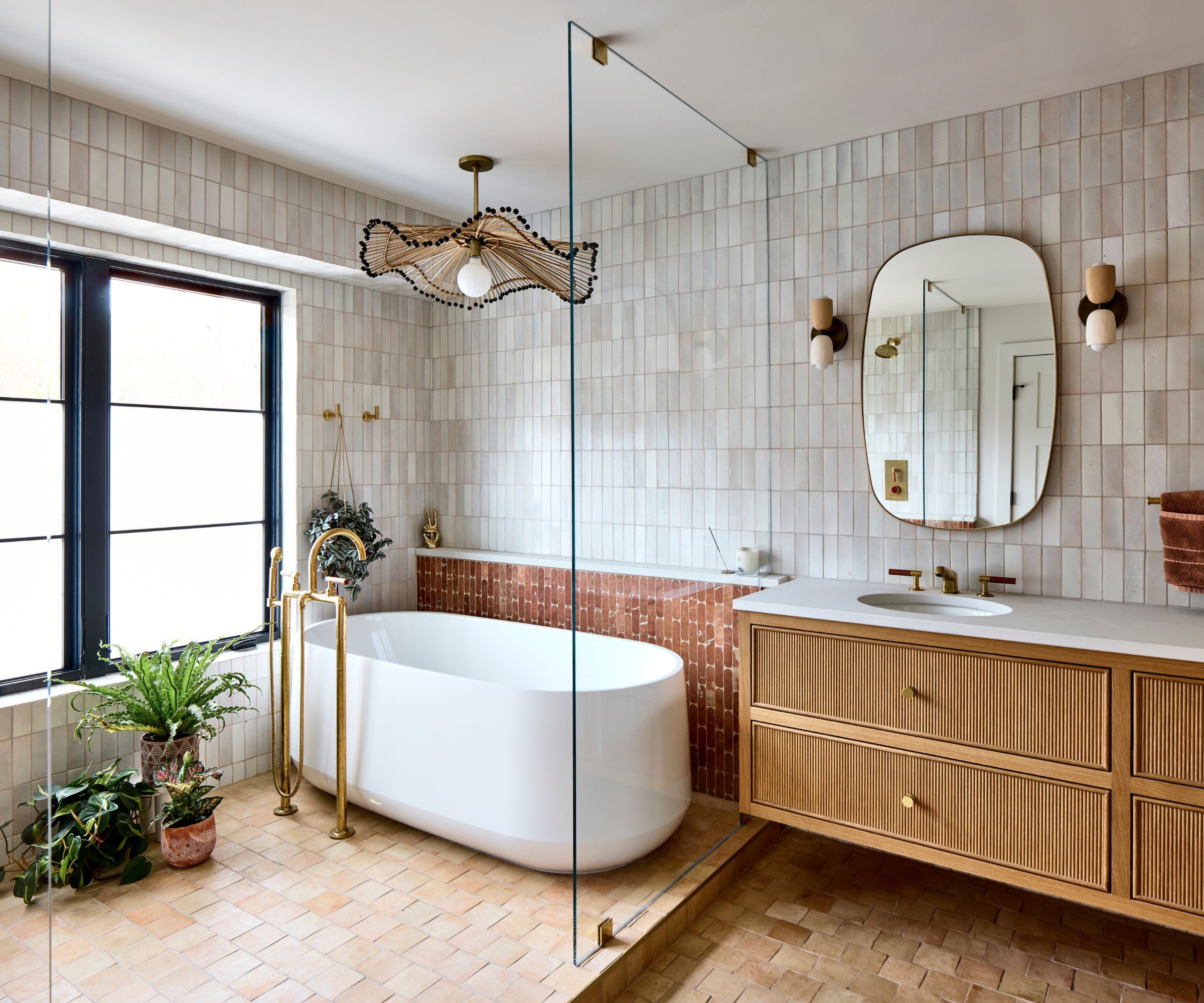
Shift to calming layouts with open concepts and nature-inspired colors like navy and earth tones. Personalized tilework, steam showers, and LED lighting enhance function. In a Re-Bath case study, Jenny Marrs highlights organic minimalism with timber and stone. Drop-in tubs and unique features like red light filters are in. Semantic: 2026 bathroom trends. Embrace sustainability with low-flow fixtures. These updates make bathrooms restorative spaces.
How Can I Plan My Bathroom Renovation Effectively?
Effective planning involves setting goals, budgeting, hiring pros if needed, and selecting durable materials.
Start with intent: Functionality or luxury? Measure space, create mood boards. Budget: Include 20% contingency. In a Houzz study, clear views and storage were key. Choose timeless designs over fads. Timeline: Account for permits. Semantic: bathroom renovation planning. Track progress to stay on course.
In conclusion, remodeling your bathroom the right way solves daily frustrations and adds lasting value. From planning steps to avoiding mistakes, this guide equips you with knowledge. Remember the Seattle case where a worn-out space became luxurious, increasing home appeal. Ready to start? Contact a local contractor today for a free quote and transform your space. Share your remodel story in the comments—what’s your biggest challenge?
FAQs
How long does a bathroom remodel take?
A typical bathroom remodel takes 2-4 weeks for professionals, longer for DIY. Factors include scope and surprises like plumbing issues.
Can I remodel my bathroom on a budget?
Yes, focus on cosmetic updates like paint and fixtures under $5,000. Prioritize high-impact changes for value.
What increases bathroom remodel ROI?
Mid-range updates like efficient fixtures recoup 80% at resale. Add universal design for broader appeal.
Do I need permits for bathroom remodeling?
Yes, for plumbing or electrical changes. Check local codes to avoid fines.
What materials are best for bathroom floors?
Porcelain tiles or vinyl for durability and slip-resistance. Avoid ceramic to prevent chipping.
How do I choose a contractor?
Look for licensed pros with reviews and portfolios. Get multiple quotes and check references.
What’s the best way to add storage?
Incorporate built-ins, floating shelves, or vanities with drawers. Maximize vertical space.
Related Topics: How to Clean a Home Coffee Machine Step by Step
Related Topics: How to Get House Cleaning Jobs Near You (Step-by-Step)