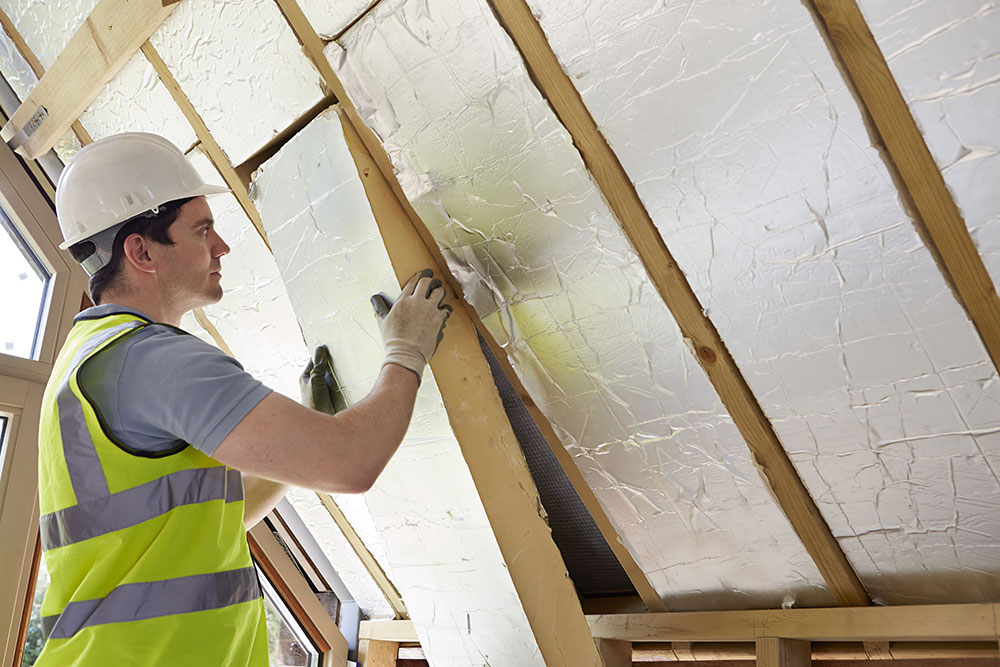
Introduction to Home Insulation
Home insulation is essential in maintaining a comfortable and energy-efficient living environment. By impeding the heat flow in and out of the house, insulation keeps interiors warm during cold months and refreshingly cool when the temperature rises. The improvement in thermal regulation not only increases comfort levels but also dramatically improves energy efficiency. Choosing effective insulation solutions can be tricky, but Net Zero Insulation offers expertise that aligns with eco-friendly standards, making it a reliable partner.
Understanding home insulation has become more crucial in today’s rising energy costs and growing environmental consciousness. It is a barrier against energy waste, reducing heating and cooling demands and lowering utility bills. Whether you are planning to construct a new home or revamp an existing one, investing in proper insulation promises enhanced performance and sustainability.
Benefits of Home Insulation
The advantages of home insulation extend well beyond mere temperature regulation. A well-insulated home leads to a drastic reduction in energy consumption, contributing to noticeably lower electricity bills. This financial relief gives homeowners a sense of security and control over their expenses, complemented by its enhanced comfort, maintaining a consistent indoor climate regardless of the weather outside.
Moreover, insulation’s environmental impact is one of its most compelling benefits. By minimizing energy usage required for heating and cooling, homeowners can significantly lower their carbon footprints, making a commendable contribution to environmental sustainability. A well-insulated home can reduce CO2 emissions by up to 2000 pounds per year.
Types of Insulation Materials
When selecting insulation materials, various choices have specific qualities to meet multiple requirements. Traditional materials like fiberglass have long been favored for their cost-effectiveness and ease of installation. They provide decent thermal resistance and are suitable for various applications.
Foam insulation, such as rigid foam boards, is popular because of its excellent insulation properties and structural support. For individuals in need of more sophisticated options, spray foam insulation is renowned for its capacity to penetrate inaccessible spaces, providing a tight seal that significantly improves energy efficiency. However, it is crucial to thoroughly examine the pros and cons of each choice to tailor the insulation to fit your exact requirements, considering factors like your home’s layout, the local climate, and any budget constraints.
How to Choose the Right Insulation
Opting for suitable insulation material isn’t merely an aesthetic or mechanical decision—it’s about comprehensively enhancing your home’s energy profile. A critical factor to consider is the R-value, which measures the material’s ability to resist heat flow. A higher R-value generally means better insulative effectiveness.
As a homeowner, it’s essential to assess your specific needs—whether based on your house’s architectural layout, the climate of your locale, or your budget. For more detailed insights into making informed insulation choices, the government’s energy efficiency guide can be invaluable, offering a wealth of information on maximizing your home’s insulation performance.
DIY vs Professional Installation
Homeowners often face a dilemma when installing insulation: should they take the DIY route or enlist professional help? DIY installation presents an opportunity to cut costs but requires a meticulous approach and a sound understanding of the processes involved. Mistakes during installation can lead to ineffective insulation, which offsets the potential energy savings.
Alternatively, professional installation guarantees expertise and technical proficiency that can result in superior outcomes. Professionals are adept at identifying particular insulation needs and applying the most suitable methods effectively. Thus, while DIY might seem cost-effective initially, professional installation often brings long-term savings and improved performance. If you choose to do it yourself, ensure you are fully prepared and follow safety procedures to get the desired results.
Standard Insulation Mistakes to Avoid
Although insulation has potential benefits, if it is done well, these advantages may become meaningful. One standard error is failing to ensure proper ventilation, which may result in the build-up of moisture and mold growth, creating risks to health and property.
Failing to seal air leaks around windows and doors adequately can significantly compromise insulation performance, leading to energy loss. Another frequent mistake is overpacking insulation materials, which can decrease their efficacy. By adhering to the manufacturer’s guidelines and potentially consulting with a professional, homeowners can sidestep these pitfalls and maximize insulation benefits, feeling informed and prepared.
FAQs About Home Insulation
- How long does insulation last? Good upkeep and lack of damage can help quality insulation remain effective for at least 20 years.
- Do I need to maintain my insulation? Indeed, conducting consistent inspections and promptly addressing any necessary repairs can ensure the quality and efficiency of your insulation.
- What is the most energy-efficient insulation? Materials like spray foam, known for their superior sealing and insulating properties, often top the list for energy efficiency.
Conclusion
In conclusion, insulation is a cornerstone of a sustainable and efficient home design. By carefully assessing your needs and making well-informed decisions, you can enjoy short-term comfort and savings and the long-term benefits of environmental stewardship. This emphasis on the long-term benefits of insulation reassures homeowners about the value of their investment, whether they’re tackling a DIY project or relying on the expertise of professionals.