
Imagine this. You turn your key in the door. It snaps with a sharp crack. The piece sticks inside the lock. Panic sets in. You stand there, locked out or stuck. This happens more than you think. A broken key in a lock frustrates many homeowners each year.
Keys break due to wear or force. Locks jam from dirt or cold. You need quick help. This guide shows you how. We cover tools and steps. You gain practical value. Stay calm. You can fix it.
Studies show locks fail often. The U.S. Consumer Product Safety Commission reports over 3,000 lock-related injuries yearly. Many tie to broken keys or corrosion. Lock maintenance cuts risks. Experts note 20% of calls to locksmiths involve stuck keys. Act now. Follow our tips.
Why Does a Key Break in a Lock?
Keys snap for simple reasons. You force it too hard. The metal weakens over time. Locks get dirty. Cold weather freezes them. Understand this. It helps prevent issues.
First, poor lubrication causes friction. Keys bend under stress. Second, old keys wear thin. They snap easily. Third, lock corrosion builds up. Rust grips the key tight.
Consider examples. A busy family uses the door daily. Keys wear fast. In winter, lock de-icer helps. But skip it, and ice forms. The key breaks.
Security matters too. A broken key leaves you vulnerable. Thieves spot weak locks. Fix it fast. Use DIY tricks. Or call help.
We explore causes deeply. Age plays a role. Brass keys corrode quick. Nickel lasts longer. Check your keys. Replace worn ones.
Data backs this. Locksmith reports show 40% of breaks from wear. Prevent it. Clean locks often. This saves time and money.
Tools You Need for Broken Key Removal
Gather tools first. Right ones make the job easy. Start with basics. You find most at home.
- Needle nose pliers: Grip small pieces tight.
- Tweezers: Pull tiny bits out.
- Paperclips: Straighten for prying.
- Graphite powder lubricant: Loosens stuck parts.
- Lock de-icer: Clears ice in cold weather.
For advanced fixes, get more. Key extractor tools hook the break. Buy sets online. They cost little.
Magnets work too. Use earth magnet for metal keys. Neodymium pulling magnets pull strong. Test first. Brass keys resist.
Other items help. Hot glue sticks bond to the end. Jigsaw blades saw gently. Avoid damage.
Safety first. Wear gloves. Protect your hands. Work in light. See what you do.
Stock up. A kit saves hassle. Include spare key too. You need it later.
Step-by-Step Guide: Basic DIY Methods
Ready to start? Follow these steps. Go slow. Patience wins.
- Lubricate the lock. Spray graphite powder lubricant in the key hole. Wait five minutes. It loosens grip.
- Align the cylinder. Turn the lock to unlocked or locked spot. Vertical works best. Pins free up.
- Grip the piece. Use needle nose pliers on the exposed end. Pull straight out. Wiggle if needed.
If no end shows, try next. Straighten a paperclip. Bend a small hook. Insert beside the key. Pry gently.
For ice, use lock de-icer. Spray and wait. Cold snaps cause many breaks. Warm it up.
Tweezers work for shallow breaks. Slide in. Grab the edge. Pull slow.
Test each. One fits your case. Success comes quick.
Advanced Techniques for Stubborn Breaks
Basic ways fail sometimes. Try these next. They need care.
Use a key extractor tool. Slide it in. Hook the key teeth. Turn and pull. Pros use this.
Hot glue trick shines. Melt a stick end. Press on the break. Let dry two minutes. Pull out.
Magnets pull metal. Place earth magnet on the end. Tug gently. Works on nickel keys.
Jigsaw blade method. Insert thin blade. Saw beside the key. Hook and yank. Be precise.
Disassemble if possible. Remove the lock cylinder. Push from back with a rod. Paperclip does.
Call security service if stuck. They fix fast. Avoid drilling. It ruins locks.
Practice on old locks. Gain skill. These methods save money.
Dealing with Lock Corrosion and Prevention
Corrosion worsens breaks. Rust grips keys tight. Prevent it now.
Clean locks weekly. Wipe with dry cloth. Remove dirt.
Lubricate monthly. Graphite powder works best. Avoid oil. It attracts grime.
In wet areas, cover locks. Use weather seals. Keep moisture out.
For rust spots, use vinegar mix. Soak and scrub. Dry well.
Old locks corrode fast. Replace if bad. Brass keys rust too.
Winter tips. Use lock de-icer often. Ice causes snaps.
Maintenance cuts issues. 80% of breaks link to poor care. Act today.
When to Call a Professional Locksmith
DIY fails sometimes. Know when to stop. Call help.
If the key sits deep. Tools can’t reach. Pros have gear.
Locks damage easy. Wrong pull breaks pins. Cost more later.
Complex locks need experts. Smart locks or cars. Don’t risk.
Security solution pros offer. They rekey too.
Signs to call: No progress in 30 minutes. Lock sticks bad. You feel unsure.
Locksmiths charge fair. Extraction runs $50-150. Worth peace.
Don’t wait. Call early. They fix quick.
Rekeying Your Lock After Extraction
Key out? Rekey now. Old keys may fail. Secure your home.
Rekey changes pins. New key works only. Old ones stop.
Buy a kit. Matches your lock brand. Follow steps.
Remove cylinder. Dump old pins. Insert new. Test.
Pros do it fast. Cost $20-50 per lock.
After broken key, rekey prevents repeats. Use same key for all doors.
Smart locks offer easy rekey. Like eufy FamiLock S3 Max. Tech upgrades security.
Do it soon. Boosts safety.
Read Also:
Dark Sky Compliant Patio Lighting Ideas
Door Frame Installation: Essential Tips for a Perfect Fit
Upgrading to Modern Security Solutions
Old locks break easy. Upgrade now. Gain peace.
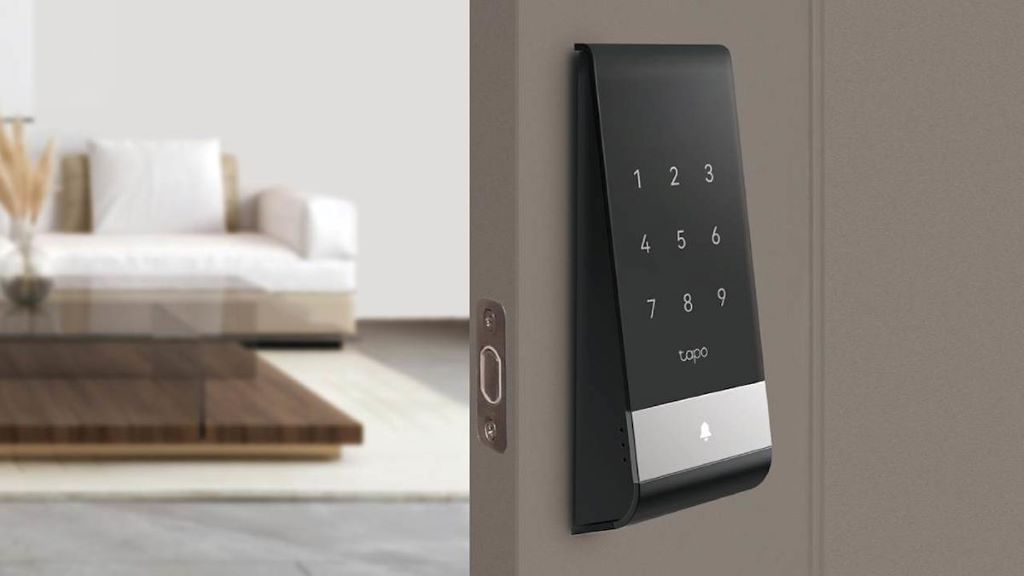
Smart locks use apps. No keys needed. Palm vein technology scans hands.
Wi-Fi 6 connects fast. Remote control doors.
Brands like Abus Lock shine. Strong and smart.
For businesses, security service helps. Keno 2Biz manages access.
DIY tricks work short term. Long term, go modern.
Power locks auto shut. Online attacks worry less with good ones.
Choose right. Read reviews. Invest wise.
Real-Life Broken Key Stories
See real fixes. Learn from others.
Case one: Homeowner in snow. Key broke in freeze. Used lock de-icer. Then pliers. Out in minutes.
Case two: Office worker. Deep break. Called locksmith. Used extractor. Rekeyed after.
Case three: Bike owner. Padlock snap. Magnet pulled it. Saved ride.
These show value. Prep helps. Tools matter.
Another: Family door. Corrosion caused it. Cleaned and lubed. No more issues.
Stories prove. You can handle it.
Conclusion
You learned much. Broken keys fix easy with steps. Use tools like needle nose pliers. Lubricate with graphite powder. Prevent with care.
Avoid corrosion. Rekey after. Upgrade to smart locks.
Act now. Grab your kit. Fix that lock. Stay safe.
Call a pro if needed. Share this guide. Help friends.
FAQs
What Causes a Key to Break in a Lock?
Keys break from force, wear, or dirt. Locks jam too. Clean often. Use lubricant.
Can I Use a Magnet to Remove a Broken Key?
Yes, if metal. Earth magnet works. Pull gentle. Brass skips this.
How Do I Prevent Lock Corrosion?
Lubricate monthly. Cover from weather. Clean dirt. Use graphite.
Is Rekeying Hard After a Broken Key?
No. Kits make it simple. Pros do quick. Boosts security.
When Should I Upgrade to a Smart Lock?
If breaks repeat. Smart ones like eufy FamiLock S3 Max last. Add tech ease.