
A kettle is one of the most indispensable kitchen appliances. It provides hot water quickly and efficiently, whether for a morning cup of tea, coffee, or instant noodles. However, like any other electrical appliance, it can stop working. If you find yourself staring at a kettle that won’t turn on, don’t panic! In most cases, the problem can be diagnosed and resolved without needing to buy a new one. This article will walk you through the common issues and how to fix a kettle that won’t turn on.
Check the Power Source
This might seem too simple, but it’s often the easiest thing to overlook. Here are some steps to rule out any power-related issues:
- Test the outlet: Try plugging another appliance into the same socket to ensure it’s providing power. If the second appliance also doesn’t work, the problem is likely with the socket. Check if it’s a fused or tripped breaker. Reset the breaker or fuse if needed.
- Try a different socket: If the outlet is the issue, try a different one. If the kettle still won’t turn on, the problem is with the kettle itself.
- Check the plug and cord: Sometimes, the issue lies with a frayed or damaged power cord. Examine the kettle’s plug and cord carefully for any signs of wear or breakage. If the cord is damaged, it can be replaced or repaired by a professional electrician.
Inspect the Kettle’s Switch
One of the most common reasons why a kettle won’t turn on is a faulty switch. The switch is the mechanism that allows the flow of electricity to the heating element. Over time, the switch may wear out due to frequent use.
- Check for a clicking sound: When you turn the switch on, you should hear a “click.” If the click isn’t there, the switch could be faulty or disconnected from the heating system.
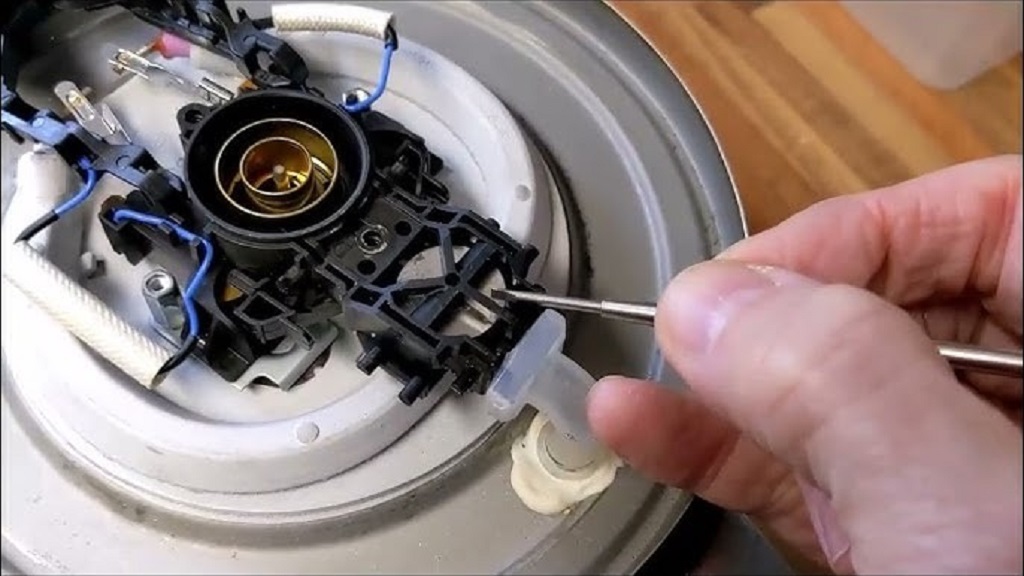
- Examine the switch mechanism: Some kettles have visible screws or clips that allow you to access the internal components. If you’re comfortable with basic electrical repairs, you can unscrew the housing around the switch and check if there’s a loose wire or damaged contact. However, be cautious and unplug the kettle before doing any internal inspections.
- Test the switch with a multimeter: If you have a multimeter and some knowledge of its usage, you can test whether the switch is transmitting electricity properly. If it’s defective, replacing the switch could solve the problem.
Assess the Heating Element
The heating element is the most critical part of a kettle, as it’s responsible for heating the water. If the heating element is damaged or worn out, the kettle won’t function properly, if at all. Here’s how to check the heating element:
- Visual inspection: Sometimes, the heating element inside the kettle can develop scale buildup or visible damage. In most modern kettles, the heating element is hidden under the base of the kettle. However, some older models have exposed heating elements that you can inspect for any visible signs of corrosion or damage.
- Descale the kettle: If you live in a hard water area, mineral deposits like limescale can build up on the heating element over time, preventing it from heating the water effectively. Descaling the kettle with a solution of water and vinegar (or a commercial descaling product) can sometimes resolve this issue.
To descale:
- Fill the kettle with equal parts of water and white vinegar.
- Boil the solution and let it sit for about 30 minutes.
- Pour out the solution and rinse the kettle thoroughly.
- Try turning the kettle on again to see if the problem is resolved.
- Test the element: If the kettle still won’t turn on after descaling, the heating element itself may be faulty. Unfortunately, if the heating element is burnt out, it is often not worth replacing in inexpensive kettles, and it may be more economical to buy a new one.
Check the Thermal Fuse
Most modern kettles come with a thermal fuse or a thermal cut-off switch to prevent overheating. This fuse will blow or cut power to the kettle if it overheats, preventing potential fire hazards.
- Check for a reset button: Some kettles have a reset button at the bottom, especially if the kettle shut off due to overheating. If there’s a reset button, press it and see if the kettle turns on.
- Thermal fuse replacement: If the thermal fuse is blown, the kettle will not turn on at all. Replacing a thermal fuse can be tricky, and it requires some knowledge of electrical components. You can access the fuse by unscrewing the kettle’s base (after unplugging it). If you find that the fuse has blown, you can purchase a replacement from an electrical store and replace it yourself if you feel confident. Otherwise, seek professional help.
Read More Also: 10 tips for organizing a small kitchen
Examine the Kettle’s Lid and Safety Mechanism
Many modern kettles come with safety mechanisms that won’t allow the kettle to turn on unless the lid is securely closed. This is designed to prevent accidents, but it can also lead to frustration when the kettle seems to be malfunctioning.
- Ensure the lid is closed: Double-check that the kettle’s lid is fully closed. If the lid is slightly misaligned, the kettle might not turn on due to its safety feature.
- Inspect the lid switch: If the kettle has a lid-activated safety mechanism, it may use a switch or sensor to detect whether the lid is closed. Over time, this switch can become dirty or faulty. You can try cleaning it with a dry cloth or cotton swab to remove any dust or debris.
Consider Age and Wear and Tear
Kettles, like all appliances, have a lifespan. If your kettle is old and has been used heavily, it may simply be at the end of its life. Over time, internal components such as wiring, switches, and heating elements can degrade, leading to performance issues.
- Worn out wiring: Over time, the internal wiring of a kettle can fray or deteriorate. If you’ve ruled out other causes and the kettle is several years old, it may be time to replace it.
- Replacing the kettle: If you’ve tried all of the above steps and the kettle still doesn’t work, it may be more cost-effective to replace the kettle than to continue troubleshooting and repairing.
When to Call a Professional
While many kettle issues can be resolved with some DIY fixes, there are times when calling a professional electrician is the safest option. If you’re not comfortable working with electrical components or if the problem seems more complex (like a burnt-out internal circuit), it’s best to seek professional help. Attempting to fix a kettle without the proper knowledge or tools could result in damage or injury.
Conclusion
A kettle that won’t turn on can be frustrating, but with a little investigation, many of the common causes can be easily identified and fixed. From checking the power source to descaling the heating element and inspecting the kettle’s switch, these steps can help you determine whether the kettle is repairable or if it’s time to buy a new one. Always remember to prioritize safety, especially when dealing with electrical appliances, and seek professional assistance if necessary.