
Baking soda (sodium bicarbonate) is a staple in many kitchens, primarily known for its role in baking. However, its versatility extends far beyond rising dough. This affordable, non-toxic powder boasts impressive cleaning properties, making it a valuable tool for tackling various kitchen messes. Let’s explore how to harness baking soda’s power to maintain a sparkling clean kitchen.
Why Baking Soda for Cleaning?
- Natural and Safe: Unlike harsh chemical cleaners, baking soda is gentle and non-toxic, making it safe for use around food preparation areas.
- Deodorizing: Baking soda’s alkaline nature neutralizes acidic odors, leaving your kitchen smelling fresh.
- Abrasive (but Gentle): Its mild abrasive texture helps scrub away grime without scratching delicate surfaces.
- Versatile: Baking soda works on various materials, including stainless steel, porcelain, glass, and even some plastics.
Cleaning Applications in the Kitchen
1. Shining Sinks and Countertops:
- Sink: Sprinkle baking soda onto a damp sponge or cloth and scrub your sink’s surface. Rinse thoroughly for a gleaming finish.
- Countertops: For daily cleaning, create a paste with baking soda and water. Apply, scrub gently, and wipe clean. For stubborn stains, let the paste sit for a few minutes before scrubbing.
2. Tackling Greasy Stovetops and Ovens:
- Stovetop: Sprinkle baking soda liberally over greasy areas. Spray with white vinegar and let the mixture fizz for a few minutes. Wipe away the residue with a damp cloth or sponge.
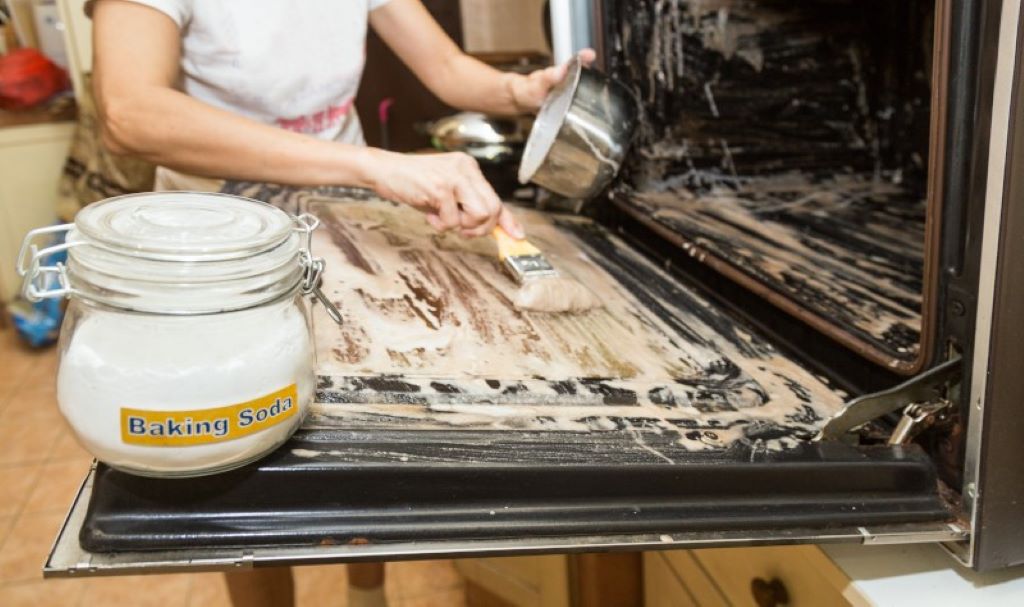
- Oven: Make a paste with baking soda and water. Apply it to the oven’s interior (avoiding heating elements). Let it sit overnight, then scrub and wipe clean.
3. Deodorizing Refrigerators and Microwaves:
- Refrigerator: Place an open box of baking soda in the refrigerator to absorb odors. Replace every few months.
- Microwave: Mix baking soda and water to create a paste. Apply to interior surfaces, let sit for a few minutes, then wipe away.
4. Freshening Up Cutting Boards and Dishes:
- Cutting Boards: Sprinkle baking soda onto the board, scrub with a damp sponge, then rinse.
- Dishes: Add a tablespoon of baking soda to your dishwasher detergent for extra cleaning power and odor removal.
5. Unclogging Drains:
Pour half a cup of baking soda down the drain, followed by half a cup of white vinegar. Let it fizz for a few minutes, then flush with hot water.
A Must-Read Guide on Preparing Electric Kitchen Equipment for Cleaning
Additional Tips:
- Paste Consistency: For most cleaning tasks, aim for a paste-like consistency (about 3 parts baking soda to 1 part water).
- Stubborn Stains: For tough stains, let the baking soda paste sit for 15-20 minutes before scrubbing.
- Safety First: Always wear gloves when working with baking soda and vinegar, as the combination can be irritating to the skin.
- Test First: Before applying baking soda to a new surface, test it in a hidden area to ensure it doesn’t cause discoloration.
Important Note:
While baking soda is generally safe, avoid using it on delicate surfaces like marble or aluminum, as it can cause etching or discoloration.
Conclusion:
Baking soda is a kitchen workhorse, offering a natural, effective, and affordable way to tackle various cleaning tasks. By incorporating baking soda into your routine, you can maintain a clean, fresh, and healthy kitchen environment.