
Ants invading your kitchen can be frustrating, but don’t worry! We’ve got you covered with logical, effective solutions that work. Learn how to get rid of ants in kitchen using proven methods and easy-to-implement strategies. Whether you’re battling a minor infestation or preparing for prevention, our comprehensive guide will help reclaim your kitchen. Explore Blog Collector for more insightful tips and resources on keeping your home pest-free.
Understanding the Ant Problem
Before tackling how to get rid of ants in kitchen, it’s essential to understand why they appear in the first place. Ants are drawn to food sources, moisture, and shelter. According to a study by the National Pest Management Association, over 60% of homeowners report kitchen infestations due to food remnants and sugary spills. Identifying the root causes allows for targeted and lasting solutions.
Common Types of Ants in Kitchens
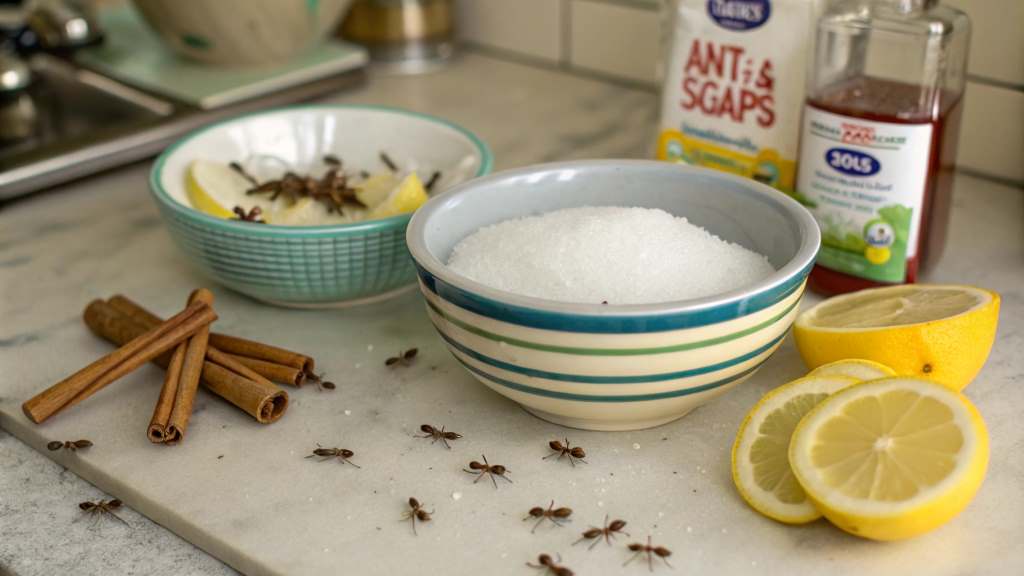
- Odorous House Ants: Known for their smell when crushed, they’re attracted to sweet foods.
- Argentine Ants: Thrive in moist areas and often form long trails.
- Pharaoh Ants: Small but challenging to control due to their tendency to scatter.
Identifying the species helps determine the best control measures.
Signs of an Ant Infestation
Visible Trails and Clusters
Ant trails are a clear indication of an infestation. These insects leave a chemical pheromone trail for others to follow, leading them straight to food.
Presence of Ant Hills
If you spot tiny mounds of dirt near baseboards or kitchen cabinets, it could be an ant nest.
Food Contamination
Discovering ants in sugar jars or pantry boxes indicates they’ve already claimed a food source.
Understanding these signs ensures early detection and swift action.
Maintain a Spotless Kitchen
Ants thrive in kitchens with food remnants. Sweeping floors, wiping counters, and sealing trash bins are simple yet effective steps. Using a mixture of vinegar and water (1:1 ratio) to clean surfaces disrupts the ants’ scent trails.
Store Food in Airtight Containers
To reduce temptation, store sugary and greasy foods in airtight containers. Doing so minimizes access to their preferred diet.
Use Natural Ant Deterrents
- Lemon Juice: Acts as a natural barrier. Apply along entry points.
- Cinnamon Powder: Ants dislike its strong scent. Sprinkle near cracks.
- Peppermint Oil: Deters ants while refreshing your kitchen’s aroma.
Seal Entry Points
Inspect for gaps around doors, windows, and pipes. Caulk and seal any cracks to block entryways effectively.
Chemical Remedies for Stubborn Infestations
Sometimes, natural remedies aren’t enough. In such cases, chemical treatments can be effective.
Ant Baits
Ant baits lure ants with food-like substances mixed with poison. They carry it back to the colony, eradicating the problem at its source.
Insecticidal Sprays
While effective, sprays should be used sparingly in kitchens to avoid contamination. Opt for eco-friendly products safe for food areas.
Addressing Nest Locations
To completely eliminate ants, locate and destroy their nests. Using boric acid mixed with sugar water (1 tablespoon of boric acid per cup of sugar water) can help bait and kill colonies.
The Role of Kitchen Features
Ant infestations often stem from structural issues, such as cracks in flooring or improperly secured fixtures. Wondering how is a kitchen island attached to the floor? Properly attached islands prevent hidden ant nests. Addressing structural vulnerabilities fortifies your kitchen against pests.
Preventing Future Infestations
Prevention is better than cure, especially when dealing with ants.
Regular Deep Cleaning
Deep clean cabinets, under appliances, and pantry areas to remove crumbs and spills that attract ants.
Manage Moisture
Ants are drawn to water. Fix leaks and wipe down wet surfaces regularly to minimize attraction.
Install Weather Stripping
Sealing doors and windows with weather stripping ensures ants can’t sneak in unnoticed.
Ants are social insects operating in colonies. Queens reproduce, workers gather food, and soldiers protect the nest. Disrupting this system is key to extermination.
Why Natural Remedies Work
Natural remedies exploit ants’ sensitivities to smells and environmental changes. Unlike chemicals, they are safer for households with children or pets.
Opinions on the best way to deal with ants vary. A survey by Pest Control Solutions revealed:
- 40% prefer natural remedies due to safety concerns.
- 35% rely on professional pest control for severe infestations.
- 25% use DIY chemical treatments for quick fixes.
These insights highlight the importance of customized solutions based on severity and household preferences.
Environmental Impact of Ant Control
Chemical methods, while effective, pose risks to non-target species and the environment. Opting for green alternatives like diatomaceous earth or essential oils reduces ecological harm.
Understanding pheromone trails helps in controlling ants effectively. Cleaning with vinegar or baking soda neutralizes these trails, disrupting their navigation.
Conclusion
Getting rid of ants in the kitchen requires a combination of vigilance, practical solutions, and preventative measures. Whether opting for natural remedies or chemical treatments, the key lies in consistency and addressing the root causes.