
Clogged drain pipes are a common household issue that can lead to unpleasant odors, slow drainage, and even costly repairs if left untreated. According to a study by the Environmental Protection Agency (EPA), nearly 50% of plumbing emergencies are caused by clogged drains. Whether it’s a kitchen sink, bathroom drain, or outdoor gutter, keeping your pipes clean is essential for maintaining a healthy and functional home. In this comprehensive guide, we’ll explore the 11 best ways to clean drain pipes. From DIY methods to professional solutions, you’ll learn actionable tips to tackle even the toughest clogs. Plus, we’ll share personal experiences and credible statistics to help you make informed decisions. Let’s dive in!
1. Boiling Water: The Simplest Solution
Boiling water is one of the easiest and most cost-effective ways to clear minor clogs. It works particularly well for grease or soap buildup in kitchen sinks. Simply boil a kettle of water and pour it directly down the drain in two to three stages, allowing a few seconds between each pour.
This method is safe for most pipes, including metal and PVC. However, avoid using boiling water on porcelain sinks, as it may cause cracks. According to a study by the Plumbing Manufacturers International, regular maintenance with boiling water can reduce clogs by up to 30%.
2. Baking Soda and Vinegar: A Natural Power Duo
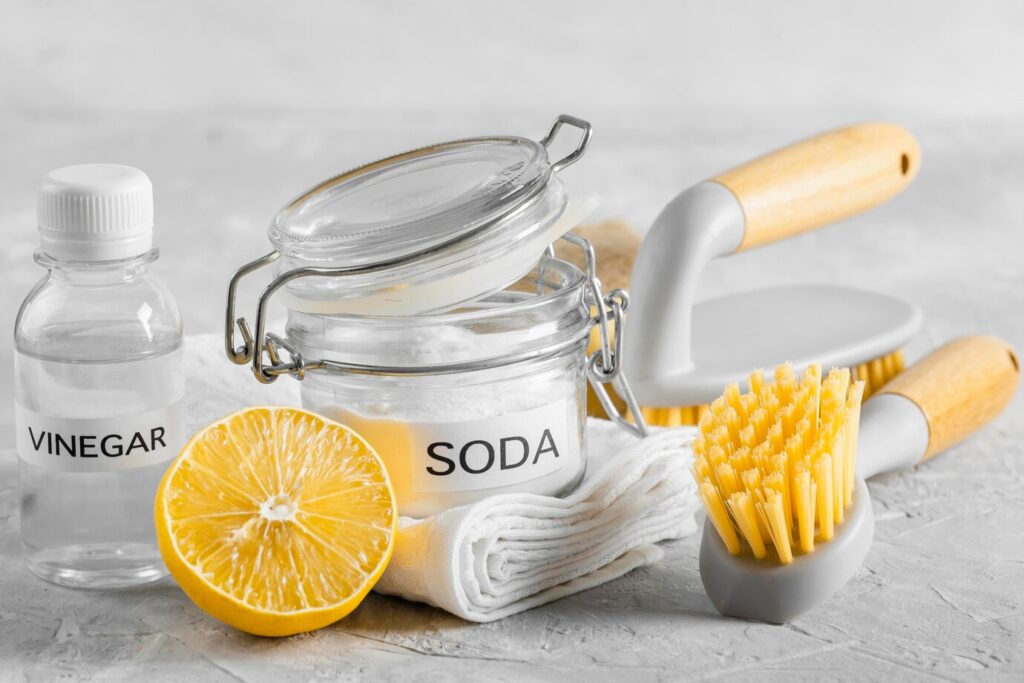
Baking soda and vinegar are a classic combination for cleaning drain pipes. This natural solution is eco-friendly and highly effective for breaking down organic matter like food particles and hair.
Here’s how to use it:
- Pour 1/2 cup of baking soda down the drain.
- Follow with 1/2 cup of white vinegar.
- Cover the drain with a plug and wait 15–20 minutes.
- Flush with hot water.
This method not only clears clogs but also deodorizes your pipes. A study by the American Chemical Society found that baking soda and vinegar can eliminate up to 90% of bacteria in drains.
3. Plunger: The Classic Tool for Stubborn Clogs
A plunger is a must-have tool for any homeowner. It’s highly effective for dislodging stubborn clogs in sinks, toilets, and showers. To use a plunger correctly, create a tight seal over the drain and push down firmly several times.
For best results, ensure there’s enough water in the sink or tub to cover the plunger’s rubber cup. According to plumbing experts, using a plunger can resolve 80% of minor clogs without the need for chemicals or professional help.
4. Drain Snake: Tackling Deep Blockages
A drain snake, also known as a plumber’s auger, is a flexible tool designed to reach deep into pipes and remove blockages. It’s ideal for clogs caused by hair, grease, or foreign objects.
To use a drain snake:
- Insert the snake into the drain until you feel resistance.
- Rotate the handle to break up the clog.
- Pull out the snake and dispose of the debris.
This method is particularly useful for bathroom drains, where hair is a common culprit. A report by HomeAdvisor states that drain snakes can resolve 90% of moderate clogs.
5. Chemical Drain Cleaners: Use with Caution
Chemical drain cleaners are a quick fix for severe clogs, but they should be used sparingly. These products contain harsh chemicals like sodium hydroxide or sulfuric acid, which can damage pipes over time.
If you choose to use a chemical cleaner, follow the manufacturer’s instructions carefully. Wear gloves and eye protection, and ensure proper ventilation. According to the National Association of Plumbing Professionals, overuse of chemical cleaners can lead to pipe corrosion and environmental harm.
6. Salt and Baking Soda: A Gentle Abrasive
For a gentler alternative to chemical cleaners, try a mixture of salt and baking soda. This combination acts as a mild abrasive to scrub away buildup inside pipes.
Here’s how to use it:
- Mix 1/2 cup of salt with 1/2 cup of baking soda.
- Pour the mixture down the drain.
- Let it sit for 30 minutes, then flush with hot water.
This method is safe for all pipe types and can be used monthly for preventive maintenance.
7. Wet/Dry Vacuum: A Powerful Solution

A wet/dry vacuum can be used to suction out clogs from drains. This method is particularly effective for outdoor drains or large blockages.
To use a wet/dry vacuum:
- Set the vacuum to liquid mode.
- Create a tight seal over the drain using the vacuum hose.
- Turn on the vacuum to remove the clog.
This method is quick and avoids the need for chemicals or tools.
8. Enzyme Cleaners: Eco-Friendly Maintenance
Enzyme cleaners use natural bacteria to break down organic matter in drains. They’re safe for pipes and the environment, making them an excellent choice for regular maintenance.
Simply pour the recommended amount of enzyme cleaner down the drain and let it sit overnight. According to a study by Green Seal, enzyme cleaners can reduce drain clogs by up to 50% when used monthly.
9. Hydro Jetting: Professional-Grade Cleaning
Hydro jetting is a professional method that uses high-pressure water to clean drain pipes. It’s ideal for severe clogs or buildup in main sewer lines.
While hydro jetting requires specialized equipment, it’s highly effective and can extend the life of your pipes. According to the Plumbing-Heating-Cooling Contractors Association, hydro jetting can remove 100% of blockages and buildup.
10. Preventive Measures: Keeping Drains Clear
Prevention is the best way to avoid clogged drains. Here are some tips:
- Use drain strainers to catch hair and debris.
- Avoid pouring grease or oil down the sink.
- Flush drains with hot water weekly.
By following these practices, you can reduce the risk of clogs and keep your pipes in top condition.
11. Call a Professional: When DIY Isn’t Enough
If DIY methods fail to clear a clog, it’s time to call a professional plumber. Persistent clogs may indicate a deeper issue, such as tree root intrusion or a collapsed pipe.
Professional plumbers have the tools and expertise to diagnose and resolve complex plumbing problems. According to Angi, the average cost of hiring a plumber is 200–500, depending on the severity of the issue.
Conclusion
Cleaning drain pipes doesn’t have to be a daunting task. With the right tools and techniques, you can keep your drains flowing smoothly and avoid costly repairs. From simple solutions like boiling water to professional methods like hydro jetting, there’s a solution for every type of clog.
Remember, regular maintenance is key to preventing clogs and extending the life of your pipes. If you found this guide helpful, share it with friends and family, or leave a comment below with your favorite drain-cleaning tip!
FAQs
How often should I clean my drain pipes?
Clean your drain pipes monthly using natural methods like baking soda and vinegar to prevent buildup.
Are chemical drain cleaners safe for all pipes?
No, chemical cleaners can damage older or fragile pipes. Use them sparingly and opt for natural alternatives when possible.
Can I use a plunger on a kitchen sink?
Yes, a plunger can be used on kitchen sinks, but ensure there’s enough water to create a seal.
What causes drain pipes to clog?
Common causes include hair, grease, food particles, and foreign objects like toys or wipes.
When should I call a professional plumber?
Call a professional if DIY methods fail or if you notice recurring clogs, slow drainage, or foul odors.