
Fettuccine, those flat, ribbon-like strands of pasta, are a beloved staple in kitchens worldwide. Their versatility makes them suitable for everything from creamy Alfredo sauces to hearty meat ragus. However, achieving perfectly cooked fettuccine requires attention to detail, particularly in boiling time. In this guide, we’ll delve into the intricacies of fettuccine boiling time and essential tips for before and after cooking, ensuring your pasta dishes are nothing short of spectacular.
Understanding Fettuccine Boiling Time
The ideal fettuccine boiling time depends on a few factors:
- Fresh vs. Dried: Fresh fettuccine cooks much faster than dried. Typically, fresh fettuccine will be ready in 1-3 minutes, while dried fettuccine requires 8-12 minutes.
- Thickness: Thicker fettuccine will naturally take longer to cook than thinner strands.
- Desired Doneness: The most common way to cook fettuccine is “al dente,” which translates to “to the tooth.” This means the pasta is cooked through but still has a slight bite to it. If you prefer softer pasta, you’ll need to boil it for a bit longer.
General Boiling Time Guidelines
- Fresh Fettuccine: 1-3 minutes
- Dried Fettuccine: 8-12 minutes
Fettuccine Boiling Time: The Importance of Tasting
To determine if your fettuccine is cooked to perfection, taste it. Start checking the pasta a minute or two before the estimated cooking time is up. Fish out a strand, let it cool slightly, and then bite into it. If it’s cooked through but still has a slight bite, it’s al dente and ready to go.
Before Boiling Tips
- Use a Large Pot: Fettuccine needs plenty of room to move around in the boiling water to prevent sticking. For 1 pound of pasta, use a large pot with at least 4-6 quarts of water.
- Salt the Water: Adding salt to the boiling water enhances the flavor of the pasta. A good rule of thumb is to use 1-2 tablespoons of salt per 4-6 quarts of water.
- Don’t Add Oil: Contrary to popular belief, adding oil to the water doesn’t prevent the pasta from sticking. It can make the sauce slide off the pasta.
After Boiling Tips
- Don’t Rinse: Rinsing the pasta removes the starchy coating that helps the sauce adhere to it. Skip this step unless you’re using the pasta in a cold salad.
- Toss with Sauce Immediately: Serve fettuccine immediately after cooking for the best results. Toss it with your sauce of choice while it’s still hot to ensure the sauce coats the pasta evenly.
- Save Some Pasta Water: You can use the starchy water from cooking pasta to thin out a sauce or add creaminess to it. Reserve a cup or two before draining the pasta.
Serving Ideas
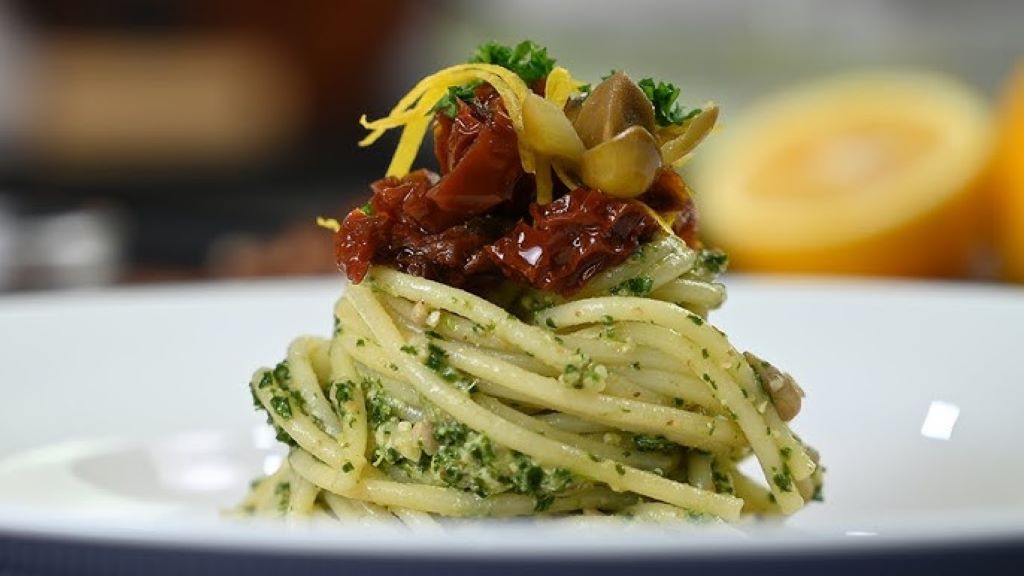
You can pair fettuccine with a wide variety of sauces and ingredients, making it incredibly versatile. Here are a few ideas to get you started:
- Classic Alfredo: Fettuccine Alfredo is a creamy, decadent dish made with butter, Parmesan cheese, and heavy cream.
- Fettuccine with Meat Ragu: A hearty meat ragu, simmered for hours with tomatoes, vegetables, and herbs, is a perfect match for fettuccine.
- Fettuccine with Pesto: Pesto, a vibrant sauce made with basil, pine nuts, Parmesan cheese, and olive oil, adds a burst of flavor to fettuccine.
- Fettuccine with Vegetables: Toss fettuccine with a variety of sautéed or roasted vegetables for a lighter, healthier option.
Mastering the Art of Boiling Duck Meat: A Comprehensive Guide
Fettuccine Boiling Time: Beyond the Basics – Tips for Experienced Cooks
- Experiment with Different Shapes: While fettuccine is a classic choice, don’t be afraid to experiment with other pasta shapes. Tagliatelle, pappardelle, and linguine are all great alternatives.
- Make Your Pasta: Fresh pasta has a superior texture and flavor compared to dried pasta. If you’re feeling adventurous, try making your fettuccine at home.
- Get Creative with Sauces: There are endless possibilities when it comes to fettuccine sauces. Don’t be afraid to experiment with different flavors and ingredients.
Related: Pig Kidneys Boiling Time: A Comprehensive Guide
In Conclusion
Mastering the art of cooking fettuccine is a valuable skill for any home cook. By understanding the factors that influence boiling time and following the tips outlined in this guide, you can ensure that your fettuccine dishes are always cooked to perfection. So, grab a box of fettuccine, fire up the stove, and get ready to create some culinary magic!