
Art of Boiling Turkey Eggs: Turkey eggs, with their impressive size and rich flavor, offer a delightful twist on the breakfast staple. While less common than chicken eggs, they provide a unique culinary experience. However, their size often leads to uncertainty regarding cooking times. Fear not, aspiring chefs! This comprehensive guide will equip you with the knowledge to boil turkey eggs to perfection, along with valuable tips for preparation, serving, and enjoyment.
Before You Boil: Selecting and Preparing Your Turkey Eggs
Just like chicken eggs, turkey eggs come in various sizes. While size doesn’t significantly impact the boiling time, it’s something to consider for consistency, especially if you’re cooking a large batch. Here’s what to look for when selecting your eggs:
- Freshness: Always opt for fresh eggs. Older eggs tend to be more watery, affecting the texture after boiling. Check the sell-by date on the carton.
- Cleanliness: Choose eggs that are clean and free from cracks. Cracks can allow bacteria to enter, compromising safety and quality.
- Source: If possible, source your turkey eggs locally from a farmer’s market or a trusted supplier. This often ensures better quality and freshness.
Pre-Boiling Tips:
- Gradual Warming: Bringing your eggs to room temperature before boiling helps prevent cracking. Simply take them out of the refrigerator about 30 minutes before cooking.
- Gentle Handling: Turkey eggshells are slightly thicker than chicken eggshells, but they can still crack if handled roughly.
- Piercing the Shell: Some people find that pricking the larger end of the egg with a clean pin helps prevent cracking during boiling. This creates a tiny air vent, allowing steam to escape.
Boiling Time: The Key to Perfect Turkey Eggs
The boiling time for turkey eggs primarily depends on your desired yolk consistency: soft-boiled, medium-boiled, or hard-boiled. Here’s a general guideline:
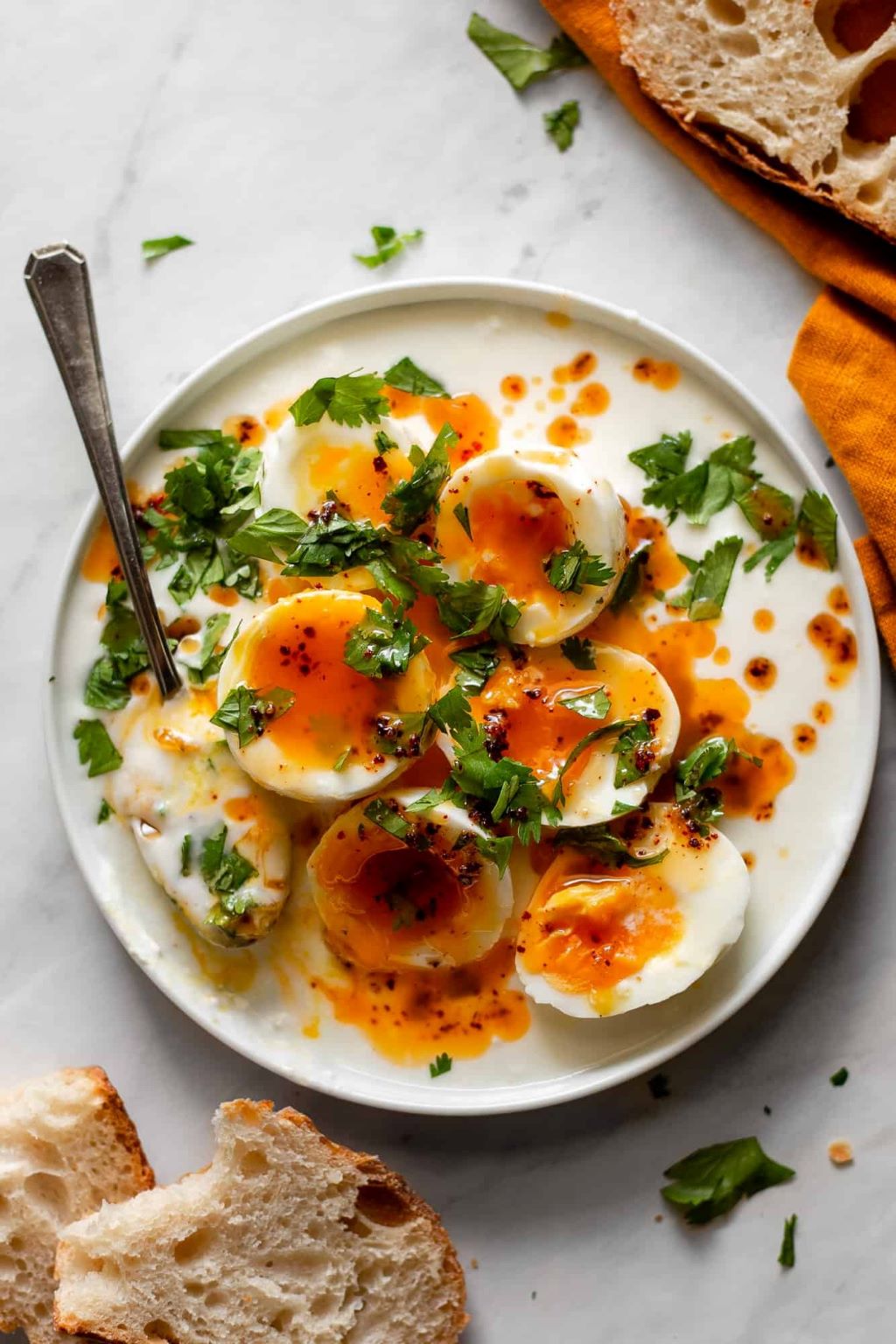
- Soft-boiled: 3-4 minutes. The yolk will be runny and the white will be set.
- Medium-boiled: 5-6 minutes. The yolk will be creamy and slightly soft in the center.
- Hard-boiled: 7-9 minutes. The yolk will be fully cooked and firm.
Important Notes:
- These times are for large turkey eggs. Adjust slightly for smaller or jumbo-sized eggs.
- Start timing once the water comes to a rolling boil after adding the eggs.
- Using a timer is crucial for consistent results.
Boiling Methods:
- Traditional Method: Place eggs in a single layer in a saucepan and cover with cold water. The water should be about an inch above the eggs. Bring the water to a rolling boil, then reduce the heat to maintain a gentle simmer. Start timing according to your desired doneness.
- Starting with Hot Water: For a slightly easier peeling experience, you can start with hot water. Gently place the eggs in already simmering water and proceed with the timing as described above.
After Boiling: Cooling and Peeling
- Ice Bath: Immediately transfer the boiled eggs to an ice bath. This stops the cooking process and helps prevent that greenish ring from forming around the yolk.
- Peeling: Gently tap the egg all around on a hard surface to create cracks. Start peeling from the larger end, where there’s an air pocket. Peeling under cold running water can make the process easier.
Serving and Enjoying Turkey Eggs
Turkey eggs can be enjoyed in countless ways! Here are some ideas:
- Classic Deviled Eggs: Deviled eggs made with turkey eggs are extra impressive and flavorful.
- Egg Salad: Elevate your egg salad with the rich taste of turkey eggs.
- Breakfast: Enjoy them simply sliced in half with a sprinkle of salt and pepper, or incorporate them into omelets and frittatas.
- Salads: Add slices of hard-boiled turkey eggs to your favorite salads for extra protein and flavor.
Tips for Using Leftover Turkey Eggs:
- Storage: Store peeled hard-boiled turkey eggs in an airtight container in the refrigerator for up to 5 days.
- Creative Uses: Chop them up and add them to sandwiches, wraps, or even soups.
Beyond the Basics: Extra Tips and Considerations
- Altitude: If you live at a high altitude, you may need to increase the boiling time slightly, as the water boils at a lower temperature.
- Egg Quality: The age and freshness of the eggs can slightly affect the cooking time.
- Stovetop: Different stovetops may have varying heating power, so adjust the heat accordingly to maintain a gentle simmer.
You Might Enjoy: Mastering Frozen Cauliflower: Boiling Time and Delicious Serving Ideas
Conclusion
Boiling turkey eggs might seem intimidating at first, but with this comprehensive guide, you’ll be well on your way to mastering the technique. Remember to select fresh eggs, handle them with care, and follow the recommended boiling times for your preferred yolk consistency. Don’t be afraid to experiment and discover your favorite ways to enjoy these delightful and versatile eggs. Happy cooking!