
Penne, with its satisfyingly chewy texture and ability to hold onto sauces beautifully, is a pasta favorite. But achieving that perfect “al dente” bite can be elusive. Fear not, pasta enthusiasts! This comprehensive guide dives deep into penne boiling time, offering tips and tricks for both novice cooks and seasoned kitchen veterans, perfectly cooked penne every time.
Deciphering the Box: Understanding Cooking Time Recommendations
Most dried penne packages provide a recommended cooking time range. This range usually falls between 9-11 minutes. However, this is merely a starting point. Several factors influence the actual cooking time:
- Penne Variety: While most penne is made from durum wheat, variations exist. Whole wheat penne, for instance, may require a slightly longer cooking time.
- Altitude: Water boils at a lower temperature at higher altitudes, necessitating a longer cooking time.
- Desired Texture: Personal preference plays a role. Some prefer a softer penne, while others crave that firm al dente bite.
The Boiling Point: A Step-by-Step Guide
- The Pot and the Water: Choose a large pot with ample space for the penne to move freely. Fill it with plenty of water – at least 6 quarts per pound of pasta. This ensures even cooking and prevents sticking.
- Salt Matters: Add a generous amount of salt to the boiling water. This not only seasons the pasta but also raises the water’s boiling point, leading to faster cooking.
- The Plunge: Once the water reaches a rolling boil, add the penne all at once. Stir immediately to prevent sticking.
- The Timer Test: Set a timer for the lower end of the recommended cooking time range (usually 9 minutes).
- Taste and Adjust: When the timer goes off, fish out a piece of penne and bite into it. It should be firm to the bite with a slight resistance in the center – that’s al dente. If it’s too firm, continue cooking and testing every minute until it reaches your desired texture.
Beyond the Boil: Pre- and Post-Cooking Tips
- Rinsing? A No-No: Resist the urge to rinse cooked penne, especially if you’re using it in a sauce. The starchy coating helps the sauce cling to the pasta.
- Save the Starch: The starchy cooking water is liquid gold! Reserve a cup or two before draining. This “pasta water” can be added to your sauce to create a creamier consistency and help it bind to the pasta.
- Oil Slick? Not Necessary: Adding oil to the cooking water is a common myth. It prevents the sauce from adhering to the pasta.
Serving with Style: Penne Pairing Perfection
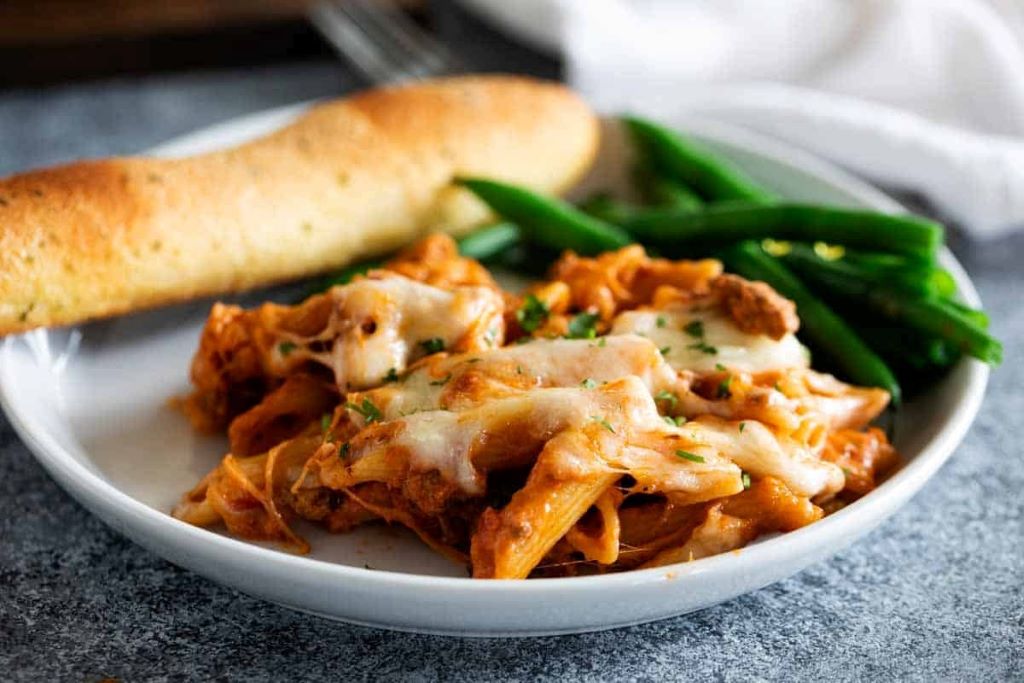
Penne’s tubular shape makes it ideal for a variety of sauces:
- Classic Tomato Sauce: A simple marinara or a hearty meat sauce are timeless pairings.
- Creamy Indulgence: Penne pairs beautifully with creamy sauces like Alfredo, carbonara, or vodka sauce.
- Pesto Power: The ridges of penne hold onto pesto with ease, creating a flavor-packed dish.
- Baked to Perfection: Penne is a star ingredient in baked pasta dishes like casseroles and pasta bakes.
Pro Tip: When serving penne with any sauce, toss it immediately after draining to ensure every piece is coated evenly.
Beyond the Basics: Advanced Penne Wisdom
- Pre-soaking for Speed: For those short on time, pre-soaking penne in cold water for 30 minutes can reduce cooking time.
- Freezing for Later: Cooked penne can be frozen for future meals. Toss it with a little olive oil to prevent sticking and freeze in airtight containers.
- Creative Flavor Infusion: Add herbs, spices, or even vegetables to the boiling water for a subtle flavor boost.
Troubleshooting Your Penne Predicaments
- Sticky Situation: If your penne is sticking, it’s likely due to insufficient water or inadequate stirring. Ensure you use plenty of water and stir the pasta immediately after adding it to the pot.
- Mushy Mess: Overcooked penne is a sad sight. To avoid this, start checking for doneness a minute or two before the recommended cooking time.
- Broken Pieces: Rough handling can lead to broken penne. Be gentle when stirring and draining.
People Also Loved: Mastering Frozen Cauliflower: Boiling Time and Delicious Serving Ideas
Conclusion
Boiling penne may seem like a simple task, but mastering the art of perfectly cooked pasta takes practice and attention to detail. By following these tips and tricks, you’ll be well on your way to creating delicious penne dishes that will impress your family and friends. So grab a pot, boil some water, and get ready to enjoy a plate of perfectly cooked penne!