
Unlocking the Secrets of Feng Shui with the BaGua Map
The BaGua map is a fundamental tool in Feng Shui, the ancient Chinese art of harmonizing individuals with their surrounding environment. It acts as a guide to understanding the energy flow, or “qi,” within a space, helping to identify areas that correspond to specific aspects of life such as career, relationships, and health. By strategically arranging furniture and objects according to the BaGua map, practitioners believe they can enhance positive qi and mitigate negative influences, ultimately promoting well-being and prosperity.
The Eight Trigrams: Decoding the BaGua’s Symbolic Language
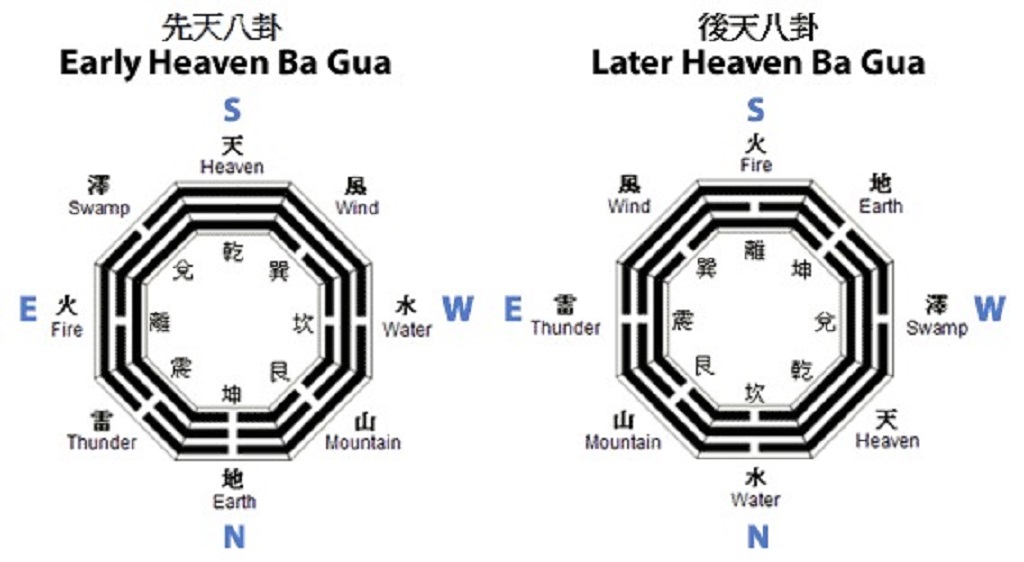
The BaGua map is divided into eight sections, each represented by a trigram. These trigrams are composed of three lines, either broken (yin) or solid (yang), symbolizing the interplay of these fundamental forces in the universe. Each trigram carries a unique meaning and corresponds to a specific direction, element, family member, and life area.
- Qian (Heaven): Located in the northwest, this trigram represents the father, leadership, and career. Its element is metal, and its energy is associated with strength, creativity, and helpful people.
- Kun (Earth): Situated in the southwest, Kun symbolizes the mother, relationships, and marriage. Its element is earth, and its energy fosters nurturing, grounding, and stability.
- Zhen (Thunder): Occupying the east, Zhen represents the eldest son, new beginnings, and growth. Its element is wood, and its energy encourages action, vitality, and forward movement.
- Xun (Wind): Residing in the southeast, Xun symbolizes the eldest daughter, wealth, and prosperity. Its element is wood, and its energy promotes abundance, expansion, and financial well-being.
- Kan (Water): Located in the north, Kan represents the middle son, career, and life path. Its element is water, and its energy supports wisdom, intuition, and flow.
- Li (Fire): Situated in the south, Li symbolizes the middle daughter, fame, and reputation. Its element is fire, and its energy ignites passion, recognition, and visibility.
- Gen (Mountain): Occupying the northeast, Gen represents the youngest son, knowledge, and self-cultivation. Its element is earth, and its energy fosters stillness, introspection, and spiritual growth.
- Dui (Lake): Residing in the west, Dui symbolizes the youngest daughter, creativity, and joy. Its element is metal, and its energy encourages communication, completion, and social connections.
Applying the BaGua Map: A Step-by-Step Guide
- Define your space: Determine the area you want to analyze, whether it’s your entire home, a single room, or even your desk.
- Draw the BaGua map: Sketch a simple octagon and divide it into eight equal sections, labeling each with its corresponding trigram.
- Orient the map: Stand at the main entrance of your space, facing in. Align the bottom of the BaGua map with the entrance wall. This ensures that the trigrams correspond to their respective directions.
- Analyze each area: Observe the existing layout and décor in each section. Note any imbalances or clutter that may be obstructing the flow of qi.
- Implement Feng Shui adjustments: Based on your analysis, make strategic changes to enhance positive qi and address any imbalances. This may involve rearranging furniture, adding specific colors or elements, or incorporating symbolic objects.
Pros and Cons of Using the BaGua Map
Pros:
- Provides a framework for understanding energy flow: The BaGua map offers a structured approach to analyzing and optimizing the qi in your environment.
- Identifies areas for improvement: By highlighting specific life areas, the map helps pinpoint potential imbalances and suggests targeted solutions.
- Empowers personal growth: Understanding the BaGua map can lead to greater self-awareness and a deeper connection to your surroundings.
- Versatile application: The BaGua map can be applied to various spaces, from homes and offices to gardens and even individual desks.
- Relatively easy to implement: Basic Feng Shui adjustments based on the BaGua map are often simple and affordable.
Cons:
- Different interpretations: There are various schools of Feng Shui, which may offer slightly different interpretations of the BaGua map and its applications.
- Cultural considerations: Applying the BaGua map in a culturally sensitive manner is crucial, as some symbols or practices may have different meanings in other cultures.
- Potential for oversimplification: Focusing solely on the BaGua map without considering other Feng Shui principles may lead to incomplete or ineffective solutions.
- Requires ongoing maintenance: Maintaining a harmonious environment requires consistent attention and adjustments as your life circumstances evolve.
- May not be a substitute for professional help: For complex situations or significant life changes, consulting a qualified Feng Shui practitioner is recommended.
Reviews and Testimonials
“Using the BaGua map has been a game-changer for me. I’ve noticed a significant improvement in my relationships and career since implementing Feng Shui principles in my home.” – Sarah J.
“I was skeptical at first, but after applying the BaGua map to my office, I’ve experienced increased productivity and focus.” – John S.
“The BaGua map has helped me create a more peaceful and harmonious living space. I highly recommend it to anyone seeking to improve their well-being.” – Maria L.
Read More Also: Mastering the Art of Boiling Cuttlefish: A Comprehensive Guide
FAQs about the BaGua Map
Q: Which BaGua map should I use, the classical or the Western/Black Hat?
A: Both maps are valid tools, but they have different orientations and applications. The classical BaGua map aligns with compass directions, while the Western/Black Hat map aligns with the entrance of the space. Choose the map that resonates most with you and your intentions.
Q: What if my front door is located in a “bad” area according to the BaGua map?
A: Don’t worry! There are various Feng Shui remedies to mitigate negative influences, such as placing specific objects or colors in the affected area.
Q: Can I use the BaGua map to improve my love life?
A: Yes, the BaGua map can help enhance your love life by focusing on the Kun (southwest) area, which governs relationships and marriage.
Q: How often should I update my Feng Shui adjustments based on the BaGua map?
A: It’s recommended to reassess your Feng Shui adjustments periodically, especially after major life changes or renovations.
Q: Where can I learn more about the BaGua map and Feng Shui?
A: There are numerous resources available, including books, websites, and workshops. Consider consulting a qualified Feng Shui practitioner for personalized guidance.
Conclusion
The BaGua map is a powerful tool for understanding and optimizing the energy flow in your environment. By applying its principles, you can create a more harmonious and supportive space that promotes well-being and prosperity in all areas of your life. Whether you’re seeking to improve your career, relationships, or overall health, the BaGua map offers a valuable guide to unlocking the secrets of Feng Shui and living in greater alignment with the natural world.