
In today’s fast-paced world, finding a sense of calm and tranquility within our own homes is more important than ever. And for many of us, our home offices have become an extension of our professional lives, a place where we spend countless hours each day home office . But what if we could transform our workspaces into oases of peace and productivity, inspired by the principles of Zen Buddhism?
This comprehensive guide will explore the philosophy behind creating a Zen-inspired home office, offering practical tips and actionable advice on how to cultivate a space that promotes focus, creativity, and inner peace. We’ll delve into the pros and cons of adopting such an approach, examine real-world examples and reviews, and answer some frequently asked questions to help you embark on your journey to creating a home office that truly nourishes your mind, body, and soul.
Understanding the Zen Aesthetic
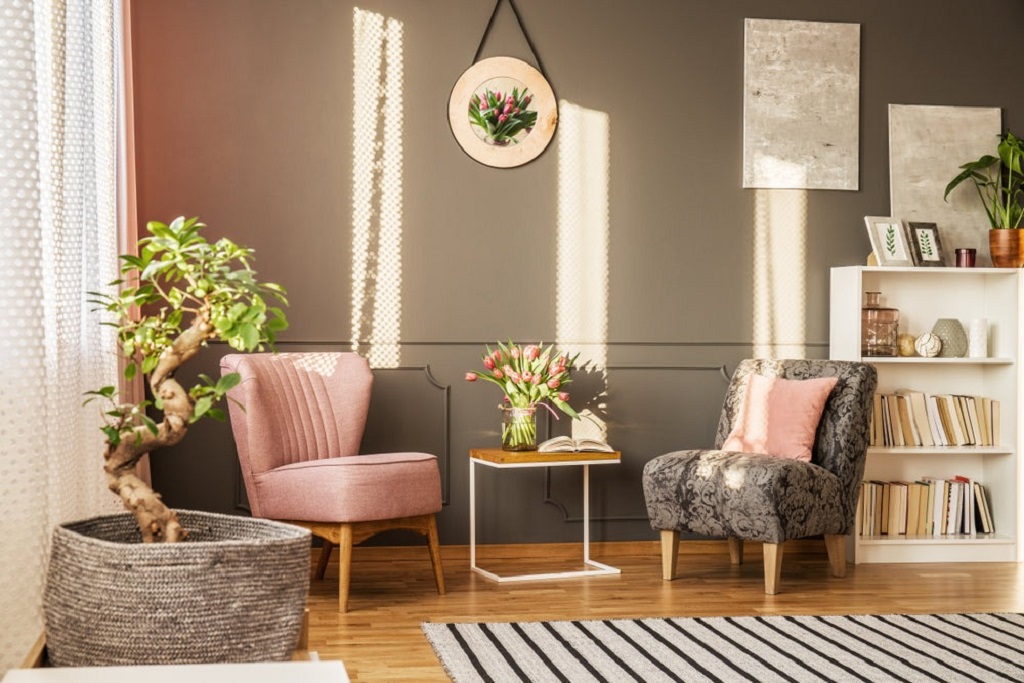
Zen Buddhism emphasizes simplicity, mindfulness, and a deep connection to nature. These core principles can be translated into the design of your home office to create an environment that fosters clarity, concentration, and a sense of well-being. A Zen-inspired workspace is characterized by:
- Minimalism: Decluttering and removing unnecessary items to create a clean and uncluttered space.
- Natural elements: Incorporating natural materials such as wood, bamboo, and stone, as well as plants and natural light, to bring the outdoors in.
- Neutral colors: Opting for a calming color palette of whites, creams, grays, and earthy tones to promote a sense of tranquility.
- Mindful organization: Arranging your workspace in a way that is both functional and aesthetically pleasing, with designated areas for different tasks.
- Balance and harmony: Creating a sense of visual balance and symmetry through the arrangement of furniture and objects.
Designing Your Zen Home Office
Transforming your home office into a Zen-inspired sanctuary involves careful consideration of various elements, from furniture and lighting to décor and technology. Here’s a step-by-step guide to help you create a space that promotes both productivity and peace:
-
Declutter and Simplify:
The first step towards creating a Zen workspace is to declutter and simplify. Get rid of any unnecessary items, papers, and knick-knacks that are cluttering your desk and shelves. This will not only create a more visually appealing space but also help to clear your mind and improve focus.
-
Choose Natural Materials:
Incorporate natural materials such as wood, bamboo, and stone into your office design. These materials have a calming and grounding effect, bringing a sense of the outdoors into your workspace. Consider a wooden desk, bamboo blinds, or a stone paperweight to add a touch of nature to your office.
-
Embrace Neutral Colors:
Opt for a calming color palette of whites, creams, grays, and earthy tones for your walls, furniture, and décor. These colors promote a sense of tranquility and relaxation, creating a peaceful environment for work. Avoid bright and jarring colors that can be distracting and overstimulating.
-
Optimize Lighting:
Natural light is essential for a Zen workspace. Position your desk near a window to maximize natural light exposure. If natural light is limited, supplement with soft, warm artificial lighting. Avoid harsh fluorescent lights, which can be disruptive and cause eye strain.
-
Incorporate Greenery:
Bring nature into your office by adding plants. Plants not only purify the air but also add a touch of life and vibrancy to your workspace. Choose low-maintenance plants such as succulents, snake plants, or ZZ plants that can thrive in indoor environments.
-
Create a Mindful Workspace:
Arrange your workspace in a way that is both functional and aesthetically pleasing. Designate specific areas for different tasks, such as a dedicated work area, a reading nook, and a relaxation corner. This will help to improve focus and concentration by minimizing distractions.
-
Embrace Minimalist Décor:
Keep décor to a minimum, choosing items that are both meaningful and visually appealing. A few carefully selected pieces of art, a calming essential oil diffuser, or a small Zen garden can enhance the tranquility of your workspace. Avoid clutter and excessive decorations that can be visually overwhelming.
-
Integrate Technology Mindfully:
Technology is an essential part of most modern home offices, but it can also be a source of distraction and stress. Integrate technology mindfully by keeping wires and cables organized, using noise-canceling headphones, and setting boundaries for screen time. Consider incorporating digital wellbeing tools to help you manage your technology use.
Pros and Cons of a Zen Home Office
Creating a Zen-inspired home office offers numerous benefits, but it’s important to consider the potential drawbacks as well. Here’s a balanced look at the pros and cons:
Pros:
- Reduced stress and anxiety: A calm and clutter-free environment can help to reduce stress and anxiety, promoting a sense of well-being.
- Improved focus and concentration: A minimalist and organized workspace can minimize distractions and improve focus, leading to increased productivity.
- Enhanced creativity and inspiration: A Zen-inspired space can foster creativity and inspiration by promoting a sense of clarity and openness.
- Increased sense of peace and tranquility: A connection to nature and a mindful approach to design can create a sense of peace and tranquility, promoting relaxation and rejuvenation.
- Improved overall well-being: A holistic approach to workspace design can contribute to improved overall well-being, both physically and mentally.
Cons:
- Potential for monotony: A minimalist aesthetic can sometimes feel sterile or uninspiring if not carefully balanced with personal touches.
- Challenge of maintaining minimalism: It can be challenging to maintain a clutter-free space, especially if you have a lot of work materials or tend to accumulate items.
- Limited color palette: A neutral color palette may not appeal to everyone, and some people may find it too restrictive or bland.
- Potential for discomfort: Minimalist furniture may not always be the most comfortable, especially for long hours of work.
- Cost of natural materials: Incorporating natural materials can sometimes be expensive, especially if you’re looking for high-quality pieces.
Read More Also: How to Attach Foam Board Insulation to Metal Roof
Reviews and Real-World Examples
Many individuals who have embraced the Zen philosophy in their home offices report experiencing significant benefits, including reduced stress, improved focus, and enhanced creativity. Here are a few real-world examples:
- A freelance writer: After transforming her home office into a Zen-inspired space, a freelance writer reported feeling more focused and productive, with fewer distractions and a greater sense of calm.
- A graphic designer: A graphic designer found that incorporating natural elements and a minimalist aesthetic into his home office helped to spark creativity and inspiration, leading to more innovative designs.
- A business owner: A business owner who created a Zen-inspired home office reported feeling less stressed and more in control, even during hectic workdays.
These examples demonstrate the transformative power of creating a workspace that aligns with the principles of Zen Buddhism. By embracing simplicity, mindfulness, and a connection to nature, you can create a home office that supports your well-being and enhances your productivity.
Read More Also: Catfish Boiling Time: A Guide to Perfectly Cooked Fish
FAQs
-
What is the most important element of a Zen home office?
While all elements contribute to the overall Zen aesthetic, arguably the most important is decluttering and simplifying your space. A clutter-free environment promotes a clear mind and allows for better focus and concentration.
-
Can I create a Zen home office on a budget?
Absolutely! You don’t need to spend a fortune to create a Zen-inspired workspace. Focus on decluttering, incorporating natural light, and adding a few affordable natural elements like plants or a bamboo mat.
-
How can I maintain a Zen home office with a busy work schedule?
Maintaining a Zen workspace requires conscious effort and discipline. Set aside time each day or week to tidy up, declutter, and re-center your space. The more you practice, the easier it will become to maintain a sense of calm and order.
-
Can I incorporate personal touches into a Zen home office?
Yes, definitely! While minimalism is key, it’s important to personalize your space with items that bring you joy and inspiration. Just be mindful not to overcrowd your workspace and maintain a sense of balance and harmony.
-
How can I create a Zen home office if I don’t have a dedicated room?
Even if you don’t have a separate room for your home office, you can still create a Zen-inspired workspace. Define a clear work area within your living space and apply the principles of Zen design to that area. Use room dividers, curtains, or screens to create visual separation and minimize distractions.
Conclusion
Creating a Zen-inspired home office is a transformative journey that can lead to greater peace, productivity, and overall well-being. By embracing simplicity, mindfulness, and a connection to nature, you can cultivate a workspace that nourishes your mind, body, and soul. While it requires conscious effort and discipline, the rewards of a Zen home office are well worth the investment.
As you embark on your journey to creating a serene and productive workspace, remember that the ultimate goal is to create an environment that supports your unique needs and aspirations. Let the principles of Zen guide you, but don’t be afraid to personalize your space and make it your own. After all, the most important element of any workspace is the feeling of peace and harmony it brings you.