
The crackling warmth of a fireplace is a quintessential comfort, a focal point for cozy evenings and festive gatherings. However, beneath the romantic glow lies a crucial maintenance task: cleaning. A dirty fireplace isn’t just an eyesore; it’s a safety hazard, a source of unpleasant odors, and a drag on efficiency. So, what is the best way to clean a fireplace? Let’s delve into the process, step by meticulous step, transforming your hearth from a soot-laden relic to a sparkling centerpiece.
Why a Clean Fireplace Matters: Beyond Aesthetics
Before we dive into the “how,” let’s understand the “why.” A clean fireplace is paramount for several reasons. Firstly, creosote buildup, a byproduct of burning wood, is highly flammable. Accumulated creosote in the chimney can lead to dangerous chimney fires, putting your home and family at risk. Regular cleaning minimizes this risk significantly. Secondly, a clean fireplace allows for optimal airflow. This ensures efficient combustion, maximizing heat output and minimizing smoke entering your home. Thirdly, soot and ash can produce unpleasant odors, especially during warmer months. Removing these residues eliminates lingering smells, keeping your living space fresh. Finally, a clean fireplace simply looks better. It enhances the visual appeal of your home and creates a more inviting atmosphere.
Gathering Your Arsenal: Essential Cleaning Tools
To embark on your fireplace cleaning journey, you’ll need the right tools. Safety is paramount, so start with protective gear: gloves, a dust mask, and safety glasses.
Next, assemble your cleaning implements:
- Chimney Brush: Choose a brush appropriate for your chimney’s size and shape. Wire brushes are ideal for masonry chimneys, while poly brushes are suitable for metal flues.
- Chimney Rods: These extendable rods allow you to reach the entire length of your chimney.
- Plastic Sheeting or Drop Cloths: Protect your floors and furniture from soot and ash.
- Shop Vacuum or Heavy-Duty Vacuum: For efficient ash removal.
- Small Shovel or Scoop: For removing larger chunks of ash.
- Spray the Bottle with Water: To dampen ash and prevent it from becoming airborne.
- Stiff Brush or Scrub Brush: For cleaning the firebox and hearth.
- Bucket and Mild Detergent: For washing down surfaces.
- Flashlight: To inspect the chimney interior.
Step-by-Step Guide: The Fireplace Cleaning Process
-
Preparation is Key:
Begin by ensuring the fireplace is completely cool. Allow at least 12-24 hours after the last fire. Remove any remaining logs and large pieces of ash. Cover the surrounding area with plastic sheeting or drop cloths to protect your floors and furniture. Open a window for ventilation, but close any doors to prevent soot from spreading throughout the house.
2. Ash Removal: The First Line of Defense:
Using a small shovel or scoop, carefully remove the loose ash from the firebox and hearth. Deposit the ash into a metal bucket. Use a spray bottle with water to lightly dampen the remaining ash, preventing it from becoming airborne. Then, use a shop vacuum or heavy-duty vacuum to remove the remaining fine ash particles. Be thorough, as even small amounts of ash can create a mess later.
3. Cleaning the Firebox: Scrubbing Away the Soot:
Now, focus on the firebox itself. Use a stiff brush or scrub brush to loosen the soot and creosote buildup on the walls and floor of the firebox. A mixture of warm water and mild detergent can help break down stubborn deposits. For particularly tough stains, a specialized fireplace cleaner may be necessary. Scrub vigorously, paying attention to the corners and crevices. Wipe down the surfaces with a damp cloth to remove any remaining residue.
4. Tackling the Hearth: Restoring its Shine:
The hearth, the area in front of the fireplace, often accumulates soot and stains. Use a scrub brush and a cleaning solution to remove these deposits. For stone or brick hearths, a specialized stone cleaner may be required. Rinse the hearth with clean water and dry it thoroughly.
5. Chimney Cleaning: Reaching the Heights:
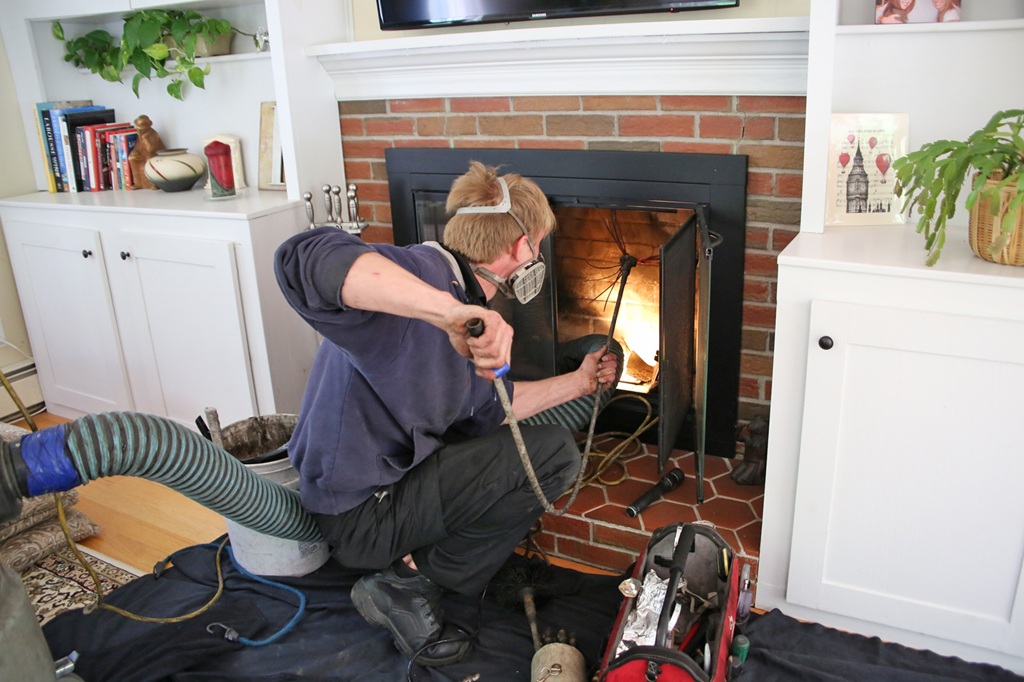
This is the most crucial and potentially challenging part of the process. Assemble your chimney brush and rods, extending them as you work your way up the chimney. Start by pushing the brush up and down, scrubbing the chimney walls to dislodge creosote and soot. Work methodically, ensuring you cover the entire length of the chimney. Periodically, remove the brush and rods to empty the collected debris.
Related: Zero Clearance Fireplace vs Masonry: Which One is Best for You?
6. Inspecting the Flue: Ensuring Safety:
Once you’ve cleaned the chimney, use a flashlight to inspect the flue for any remaining buildup or damage. Look for cracks, blockages, or signs of deterioration. If you notice any issues, consult a professional chimney sweep.
7. Final Touches: A Polished Finish:
After cleaning the chimney and firebox, vacuum any remaining debris from the hearth and surrounding area. Wipe down the mantle and any other surfaces that may have accumulated dust or soot. Replace any fireplace accessories, such as grates or screens.
8. Disposal of Ash: A Responsible Approach:
Dispose of the collected ash responsibly. Never discard hot ash in a trash can, as it can ignite flammable materials. Allow the ash to cool completely before placing it in a metal container. Once cooled, you can dispose of the ash in your regular trash or use it as a soil amendment in your garden.
Related: Creating Cozy Living Spaces: Essential Tips for Home Comfort and Style
People Also Ask (FAQs):
-
How often should I clean my fireplace?
- The frequency of cleaning depends on how often you use your fireplace. If you use it regularly, clean it at least once a year, preferably before the start of the heating season. If you use it frequently, consider cleaning it twice a year.
-
Can I clean my chimney myself?
- Yes, you can clean your chimney yourself, but it requires the right tools and a careful approach. If you’re uncomfortable with heights or unsure about the process, it’s best to hire a professional chimney sweep.
-
How do I remove creosote from my chimney?
- Use a chimney brush and rods to scrub the chimney walls, dislodging the creosote. For stubborn creosote buildup, a chemical creosote remover may be necessary.
-
What is creosote, and why is it dangerous?
- Creosote is a flammable byproduct of burning wood. It accumulates in the chimney and can ignite, causing a chimney fire.
-
How do I prevent creosote buildup?
- Burn seasoned hardwood, which produces less creosote than softwood. Avoid burning wet or green wood. Ensure proper airflow in your fireplace and chimney. Have your chimney inspected and cleaned regularly.
-
What are signs that my chimney needs cleaning?
- Signs include black, sticky creosote buildup, a strong smoky odor, reduced draft, and smoke entering the room.
-
Is it safe to burn treated wood in a fireplace?
- No, treated wood contains chemicals that release toxic fumes when burned.
-
How do I clean a gas fireplace?
- Gas fireplaces require different cleaning methods. Consult your owner’s manual for specific instructions. Generally, you’ll need to clean the glass door, logs, and burner assembly.
-
Can I use a regular vacuum to clean ash?
- No, regular vacuums are not designed to handle fine ash particles. Use a shop vacuum or heavy-duty vacuum with a filter designed for ash.
-
How do I get rid of fireplace odor?
- Thoroughly clean the fireplace, including the firebox, hearth, and chimney. Use a fireplace deodorizer or place a bowl of vinegar in the fireplace to absorb odors.
Conclusion: A Spark of Safety and Comfort
Cleaning your fireplace is an essential maintenance task that ensures safety, efficiency, and a pleasant atmosphere. By following these steps and taking the necessary precautions, you can transform your hearth from a source of concern to a source of comfort. Whether you choose to tackle the task yourself or hire a professional, the rewards of a clean fireplace are undeniable. Embrace the process, and enjoy the warmth and beauty of your fireplace for years to come. Remember, a clean fireplace is a safe fireplace, and a safe fireplace is a source of lasting enjoyment.