
In an era where climate change and environmental degradation are pressing global concerns, adopting an eco-friendly lifestyle has become more crucial than ever. Our homes, often perceived as personal sanctuaries, are also significant contributors to our carbon footprint. From the energy we consume to the waste we generate, every aspect of our household activities leaves an impact on the planet.
But here’s the good news: transitioning to an eco-friendly home doesn’t have to be a radical overhaul. It’s a journey of conscious choices, small adjustments, and a growing awareness of our environmental responsibility. This comprehensive guide will walk you through actionable steps, practical tips, and innovative solutions to transform your living space into a beacon of sustainability.
Understanding the “Eco-Friendly Home” Concept
Before we dive into the how-to, let’s clarify what an “eco-friendly home” truly embodies. It’s not just about solar panels and compost bins (though they’re excellent additions!). An eco-friendly home is one that:
- Minimizes Resource Consumption: Uses less energy, water, and raw materials.
- Reduces Waste: Generates less landfill waste through recycling, composting, and conscious consumption.
- Promotes Healthy Indoor Environments: Utilizes non-toxic materials and improves air quality.
- Supports Biodiversity: Encourages local flora and fauna through sustainable landscaping.
- Embraces Renewable Energy: Prioritizes sources like solar, wind, or geothermal.
- Considers the Lifecycle: Chooses products and materials based on their environmental impact from production to disposal.
Essentially, an eco-friendly home operates in harmony with nature, striving to meet our needs without compromising the ability of future generations to meet their own.
Pillar 1: Energy Efficiency – Powering Your Home Responsibly
Energy consumption is often the largest contributor to a home’s carbon footprint. Reducing your energy demand is the first and most impactful step towards an eco-friendly home.
-
The Power of Insulation and Sealing:
Think of your home as a giant thermos. Good insulation keeps heat in during winter and out during summer, significantly reducing the need for heating and cooling.
- Assess Your Insulation: Check your attic, walls, and crawl spaces. Adding or upgrading insulation, especially in the attic, can yield substantial energy savings.
- Seal Air Leaks: Drafts around windows, doors, electrical outlets, and plumbing penetrations can account for a significant amount of heat loss. Use caulk and weatherstripping to seal these gaps. An energy audit can help identify major leak points.
-
Smart Thermostats and Mindful Heating/Cooling:
- Program Your Thermostat: A programmable or smart thermostat allows you to set specific temperatures based on your schedule. Why heat or cool an empty house?
- Optimal Temperature Settings: Aim for a comfortable yet energy-saving temperature. In winter, around 68°F (20°C) is often recommended when home, lower when away or sleeping. In summer, 78°F (25.5°C) is a good starting point.
- Regular HVAC Maintenance: Clean or replace filters monthly. Annual professional tune-ups ensure your system runs efficiently.
-
Lighting the Way with LED:
- Switch to LEDs: If you haven’t already, replace all incandescent and CFL bulbs with LED (Light Emitting Diode) bulbs. LEDs use up to 90% less energy and last significantly longer.
- Maximize Natural Light: Design your living spaces to utilize natural light as much as possible. Open curtains and blinds during the day.
- Task Lighting: Instead of illuminating an entire room, use task lighting for specific activities like reading or cooking.
-
Appliance Efficiency: The ENERGY STAR Label:
- Look for ENERGY STAR: When purchasing new appliances (refrigerators, washing machines, dishwashers, etc.), always look for the ENERGY STAR label. These products meet strict energy efficiency guidelines set by the EPA.
- Unplug “Vampire” Electronics: Many electronics draw power even when turned off (phantom load). Use power strips with on/off switches or unplug devices when not in use.
- Full Loads: Only run dishwashers and washing machines when they are full. Use cold water cycles for laundry whenever possible.
- Embracing Renewable Energy (Long-Term Investment):
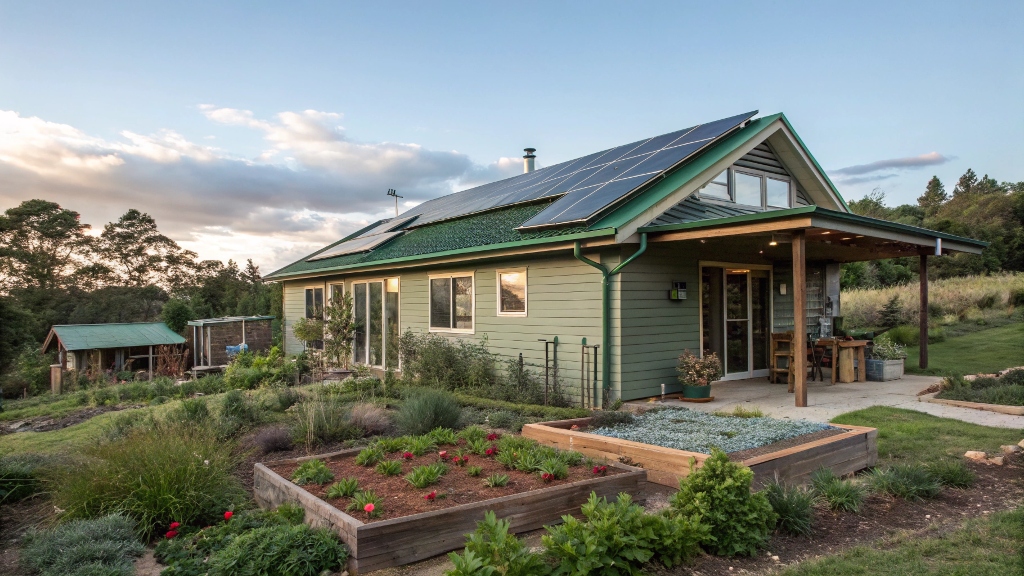
- Solar Panels: Installing solar panels is a significant investment but can drastically reduce or even eliminate your electricity bill and your reliance on fossil fuels. Research local incentives and net metering programs.
- Community Solar: If rooftop solar isn’t feasible, explore community solar programs that allow you to subscribe to a shared solar farm.
Pillar 2: Water Conservation – The Blue Gold
Water is a finite resource, and every drop saved contributes to environmental health.
-
Fixture Upgrades:
- Low-Flow Showerheads and Faucets: These fixtures significantly reduce water usage without sacrificing water pressure.
- Dual-Flush Toilets: These offer two flush options – a lower volume for liquid waste and a higher volume for solid waste.
-
Mindful Water Use:
- Shorter Showers: Even a few minutes less can save gallons.
- Turn Off the Tap: Don’t let water run while brushing teeth, shaving, or washing dishes.
- Fix Leaks Promptly: A dripping faucet can waste thousands of gallons annually.
-
Landscaping for Water Efficiency (Xeriscaping):
- Drought-Tolerant Plants: Choose native and drought-resistant plants for your garden. They require less water and are often better adapted to local conditions.
- Mulch: Apply a layer of mulch around plants to retain soil moisture and suppress weeds.
- Rain Barrels: Collect rainwater from your roof for irrigation, reducing your reliance on municipal water.
- Smart Irrigation Systems: Drip irrigation and soaker hoses deliver water directly to plant roots, minimizing evaporation.
Pillar 3: Waste Reduction & Management – Towards Zero Waste
Our consumption habits directly impact landfill waste. Reducing, reusing, and recycling are the cornerstones of an eco-friendly home.
-
The “Reduce, Reuse, Recycle” Hierarchy:
- Reduce: This is the most crucial step. Think before you buy. Do you truly need it? Can you borrow, repair, or rent instead? Opt for products with minimal packaging.
- Reuse: Embrace reusable bags, water bottles, coffee cups, and food containers. Repurpose old items instead of discarding them. Donate usable goods.
- Recycle: Understand your local recycling guidelines. Separate plastics, paper, glass, and metal correctly. Rinse containers to avoid contamination.
-
Composting Organic Waste:
- Food Scraps and Yard Waste: A significant portion of landfill waste is organic matter that can be composted. Composting enriches soil and reduces methane emissions from landfills.
- Compost Bins: Whether it’s a small kitchen composter or an outdoor bin, find a system that works for you.
-
Conscious Consumption:
- Buy in Bulk: Reduces packaging waste.
- Choose Durable Goods: Invest in high-quality, long-lasting items instead of disposable ones.
- Support Eco-Friendly Brands: Research companies committed to sustainable practices and ethical sourcing.
- Repair, Don’t Replace: Learn basic repair skills or find local repair shops for appliances, electronics, and clothing.
Pillar 4: Sustainable Materials & Products – Healthy Home, Healthy Planet
The materials we choose for our homes impact our health and the environment.
-
Non-Toxic Cleaning Products:
- DIY Cleaners: Vinegar, baking soda, lemon juice, and essential oils can effectively clean most surfaces without harmful chemicals.
- Eco-Friendly Brands: If buying, choose certified eco-friendly and biodegradable cleaning products.
-
Sustainable Building and Furnishing Materials:
- Low-VOC Paints: Volatile Organic Compounds (VOCs) in traditional paints release harmful chemicals into the air. Opt for low or zero-VOC paints.
- Recycled and Reclaimed Materials: Consider furniture made from recycled wood, metal, or plastic. Reclaimed wood adds character and reduces demand for new timber.
- Sustainable Flooring: Bamboo, cork, and reclaimed wood are excellent eco-friendly flooring options.
- Natural Fibers: Choose furniture and textiles made from natural, organic, and sustainably sourced materials like cotton, linen, hemp, and wool.
-
Air Quality Matters:
- Houseplants: Many houseplants naturally filter indoor air pollutants.
- Ventilation: Regularly open windows to allow fresh air circulation.
- Avoid Air Fresheners: Many conventional air fresheners contain synthetic fragrances and chemicals.
Pillar 5: Green Landscaping & Biodiversity – Your Outdoor Sanctuary
Your yard is an extension of your home and can play a vital role in local ecosystems.
-
Embrace Native Plants:
- Ecological Balance: Native plants are adapted to your local climate and soil, requiring less water, fertilizer, and pesticides. They also provide essential food and habitat for local wildlife (birds, butterflies, beneficial insects).
-
Create Pollinator Gardens:
- Support Bees and Butterflies: Plant flowers that attract pollinators, crucial for ecosystem health and food production.
-
Chemical-Free Lawn Care:
- Avoid Pesticides and Herbicides: These chemicals harm beneficial insects, pollute waterways, and can be detrimental to human health.
- Organic Fertilizers: Use compost or other organic fertilizers to nourish your lawn.
- Mow Higher: Taller grass shades the soil, reducing water evaporation and suppressing weeds.
-
Consider a Vegetable Garden:
- Grow Your Own Food: Reduces your carbon footprint associated with food transportation and packaging.
- Compost Use: Your homegrown food scraps can then go back into your compost, creating a beautiful closed loop.
Read More Also: Breathe New Life into the Past: Your Comprehensive Guide to Antique Furniture Restoration
The Journey to an Eco-Friendly Home: Start Small, Think Big
Transforming your home into an eco-friendly haven is a gradual process. Don’t feel overwhelmed by the sheer number of possibilities. Start with small, manageable changes that fit your lifestyle and budget.
- Prioritize: Begin with areas that offer the greatest impact (e.g., energy efficiency).
- Educate Yourself: Continuously learn about new sustainable technologies and practices.
- Be Patient: Eco-friendly living is a marathon, not a sprint.
- Involve Your Household: Make it a family effort to encourage adoption and shared responsibility.
Every conscious decision, no matter how small, contributes to a healthier planet. By making your home more eco-friendly, you’re not just reducing your environmental impact; you’re also creating a healthier, more efficient, and potentially more cost-effective living space for yourself and future generations. Embrace the journey, and enjoy the positive ripple effect of your sustainable choices!