
Why Mixing Wood Tones Matters
If you’ve ever walked into a room where every piece of furniture is the same wood finish, you know how flat and uninspired it can feel. On the other hand, mixing different wood tones brings depth, character, and a collected-over-time look that feels natural and intentional. The trick is doing it well. Too much variety can feel chaotic, while playing it too safe can look bland.
So, how do you blend oak floors, walnut furniture, and maple cabinets without clashing? The answer lies in balance, repetition, and understanding undertones. This guide will walk you through everything you need to know about mixing wood tones in one room so your space feels warm, cohesive, and timeless.
Start With a Dominant Tone
Every well-designed space needs an anchor. In rooms with multiple wood finishes, that anchor should be your dominant wood tone. Often, this will be your hardwood floors, large furniture like a dining table, or built-in cabinetry.
Once you’ve chosen your primary tone, use it as a base. Other wood tones should complement this anchor rather than compete with it. For example, if your floor is a warm oak, you can bring in darker walnut furniture and lighter birch accents for balance.
Pro Tip: Use the 60-30-10 rule. Let your dominant wood make up about 60% of the room, secondary tones about 30%, and accent woods 10%.
Pay Attention to Undertones
One of the biggest mistakes people make is ignoring undertones. Woods have natural warm, cool, or neutral undertones.
- Warm woods: Cherry, walnut, mahogany, oak with golden or red hues
- Cool woods: Ash, maple, gray-stained pine, driftwood finishes
- Neutral woods: Beech, some light oaks, whitewashed finishes
To create harmony, stick to one undertone family. Warm tones look beautiful layered together, while cool tones pair well for a modern, airy vibe. If you want contrast, balance warm and cool intentionally by repeating each undertone more than once.
Layer Light, Medium, and Dark Tones
A room with only one shade of wood can look heavy or monotonous. Layering light, medium, and dark tones creates visual interest.
- Light wood floors with medium walnut furniture and dark espresso accents
- Dark flooring with mid-tone oak cabinets and pale pine décor
- All-neutral palette with a mix of beige, taupe, and light gray woods
Think of it like shading in a drawing—light and dark variations add depth and dimension.
Repeat Each Tone for Cohesion
Repetition is what keeps a room from feeling mismatched. If you bring in a walnut coffee table, repeat walnut in picture frames or shelving. If you introduce a pale wood stool, echo it with a side table or lamp base.
By repeating each tone at least twice, you create a rhythm that feels intentional rather than accidental.
Use Contrasts Strategically
Contrast can be your best friend when mixing wood tones. The question is how bold you want to go.
- High contrast: Dark espresso furniture against light oak floors feels dramatic and modern.
- Low contrast: Medium oak furniture with slightly lighter birch accents creates a soft, calming effect.
Decide based on the mood you want. High contrast adds energy and sharpness, while low contrast creates a more seamless, tranquil environment.
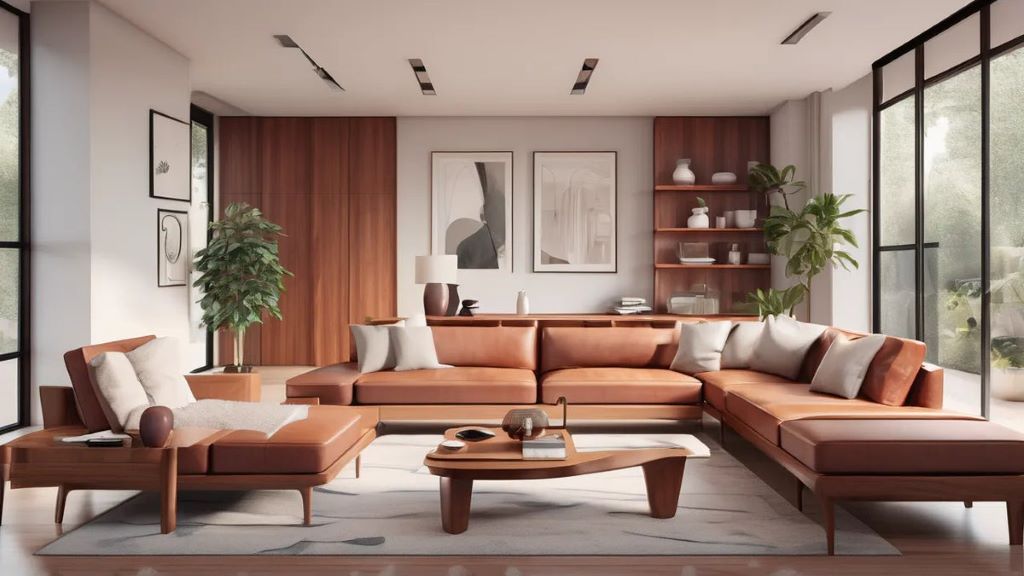
Balance With Non-Wood Elements
When working with multiple wood tones, it’s easy for a room to feel too heavy. That’s where non-wood elements come in.
- Textiles: Rugs, throw blankets, and curtains soften the look and provide color to bridge tones.
- Metals: Brass, black iron, or chrome break up wood-heavy spaces while adding polish.
- Glass and stone: Transparent or natural materials prevent visual overload.
For example, a neutral rug can tie together warm walnut furniture with cooler ash side tables by acting as a mediator.
Add Transitional Pieces
Transitional pieces that incorporate multiple wood tones are an easy way to connect finishes. Think:
- A two-tone dining table with a dark base and light top
- A dresser with contrasting drawer fronts
- Décor items like picture frames or cutting boards with mixed wood inlays
These pieces act as bridges between different tones, making the variety look intentional.
Factor in Room Size and Lighting
Lighting plays a big role in how wood tones appear. A dark walnut floor can make a small room feel even smaller, but in a well-lit, open space it looks rich and cozy.
- Small or dim rooms: Stick with lighter dominant woods to avoid a heavy feel.
- Large, bright spaces: You can incorporate more contrast and darker tones without overwhelming the room.
Always test samples in the actual room before committing. Wood can look very different in natural sunlight versus warm evening lighting.
Test Before You Commit
Don’t guess—test. Gather wood samples or swatches and place them together in your space. Look at them at different times of day under various lighting conditions.
This step helps you spot clashing undertones and ensures your mix feels cohesive. Even professional designers rely on sample testing before making final decisions.
Conclusion: Create Warmth and Depth With Confidence
Mixing wood tones is less about following strict rules and more about creating balance. By choosing a dominant tone, paying attention to undertones, layering light and dark shades, and repeating finishes, you can achieve a curated look that feels both stylish and timeless.
Don’t be afraid to experiment. With the right balance and intention, mixing wood tones can transform your space into something layered, inviting, and unique.
Ready to take your space to the next level? Start by experimenting with one new wood tone in your existing room and see how it changes the energy. Then build from there with confidence.
FAQs on Mixing Wood Tones in Interior Design
- Can you mix dark and light wood in the same room?
Yes. In fact, mixing dark and light woods adds contrast and depth. The key is to repeat each tone more than once so the room feels balanced. - Should all wood in a room match?
Not at all. Matching every piece of wood can make a room look flat. A variety of tones feels more natural and layered. - How do I know if wood tones clash?
Check the undertones. If one wood leans red and another leans gray, they may look disjointed unless you repeat each undertone elsewhere in the room. - What colors go well with mixed wood tones?
Neutrals like white, beige, and gray always work. Earthy greens and blues also complement both warm and cool woods beautifully. - Can I mix wood with painted furniture?
Yes. Painted pieces (white, black, or colored) can act as a neutral element that balances and connects different wood tones.
Related Topics:
Is Furniture Antique or Vintage?
How to Clean Patio Furniture Cushions: A Complete Guide