
You turn on the tap, and the basin slowly fills with gray water instead of draining. The culprit is almost always a mat of hair, soap scum, and toothpaste that has knitted itself into a plug inside the drain. Learning to unclog bathroom sink hair yourself is faster and cheaper than most people expect.
Quick answer: Pull or unscrew the stopper first, then reach in with a hair snake or bent wire to hook out the clog. Most bathroom sink hair clogs sit in the stopper assembly or the first few inches of the tailpiece, so you rarely need chemicals or a full drain disassembly. Boiling water and a plunger handle the rest.
This guide explains how hair clogs form, the tools that actually work, the mistakes that damage pipes, and when to stop and call a professional.
What is unclog bathroom sink hair?
The phrase describes the specific job of clearing a hair-based blockage from a bathroom basin drain. It is not a general drain-cleaning task. Bathroom sink clogs differ from kitchen clogs because the material is different: hair, skin cells, soap residue, and toothpaste bind together into a fibrous mass.
How the clog actually forms
Hair slides down the drain and snags on the pop-up stopper, the pivot rod, or the rough interior of the tailpiece. Soap scum acts like glue. Over weeks, strands wrap around that anchor point and build a felt-like plug. A single long hair can catch dozens of others, which is why the blockage grows quickly once it starts.
Why bathroom clogs differ from kitchen clogs
Kitchen drains deal with grease and food particles that coat pipe walls. Bathroom clogs are structural: a physical bundle blocks the pipe opening. That difference shapes the solution. Grease responds to hot water and degreasers. Hair responds to mechanical removal, meaning something that grabs and pulls it out.
In most bathroom sinks, the plug forms within the first six inches below the stopper. That short distance is why a simple hair snake or bent wire often solves the problem in under a minute.
The tools that match this job
Four tools cover nearly every situation:
- A hair snake or drain claw: a flexible barbed rod that hooks hair and pulls it up.
- A plunger: good for pushing a loosened plug past the trap.
- A bucket and pliers: for removing the P-trap when the clog sits deeper.
- Boiling water: useful for softening soap scum around the hair, not for dissolving hair itself.
Chemical drain cleaners rank low on this list. They struggle against a solid hair bundle and carry real risks, which the next sections cover.
What not to expect
Hair does not dissolve in water, vinegar, or baking soda. No home remedy breaks down keratin quickly enough to clear a dense plug. Those mixtures loosen soap scum and freshen the drain, which helps, but the hair still needs physical removal.
Takeaway: treat a bathroom sink clog as a mechanical problem, and reach for a tool that grabs hair rather than a bottle that dissolves grease.
Why unclog bathroom sink hair matters
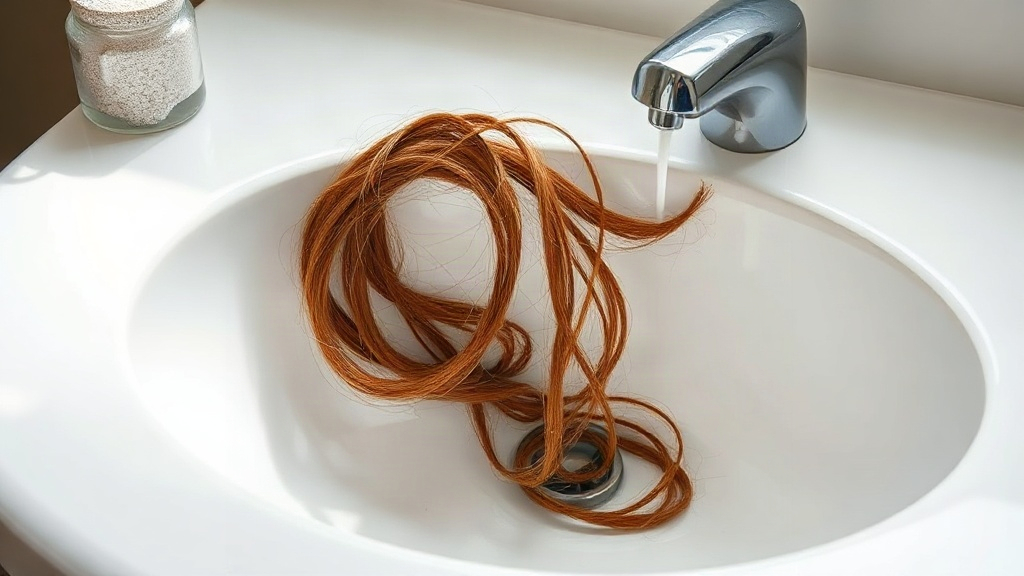
Ignoring a slow drain costs more than convenience. Standing water in a basin grows bacteria and mold, and the clog only tightens with each use. Acting early keeps the job small.
Small clogs become expensive clogs
A partial blockage that drains slowly today can seal completely within a week or two. Once water backs up, you face a full basin, a messy cleanup, and possibly a call to a plumber. A service call for a simple sink clog typically runs well over a hundred dollars in most markets, while a drain claw costs a few dollars and works repeatedly.
Standing water and hygiene
Water that lingers in the basin leaves a ring of soap scum and gives biofilm a place to grow. That film feeds on hair, skin cells, and toothpaste residue. You may notice a musty smell before you notice the slow drain. Clearing the hair removes the food source along with the blockage.
Protecting your pipes
Repeated chemical treatments can corrode older metal pipes and plastic fittings. A mechanical fix avoids that wear. So does catching the problem early, before pressure builds inside the trap.
Most liquid drain cleaners are formulated for grease and soap, not solid hair. They can splash back, damage finishes, and leave a lingering smell. If you use one anyway, never combine it with a plunger, because the trapped chemical can spray upward.
When a slow drain signals something else
Not every slow bathroom sink is hair. A blocked vent, a failing pop-up assembly, or a clogged P-trap can cause the same symptom. If water gurgles in a nearby toilet when the sink drains, the vent may be the issue. If the sink drains fine but leaks underneath, the trap connection is loose. Matching the symptom to the cause saves wasted effort.
Takeaway: handle a slow drain in the first week, and you will spend minutes instead of money.
Best practices
Good technique turns a frustrating chore into a five-minute job. Work in the right order, and you will avoid most of the mess.
Step 1: Remove the stopper
Most pop-up stoppers lift out or unscrew. Look under the sink for a pivot rod held by a plastic clip. Squeeze the clip, pull the rod back, and the stopper lifts free. On some models, you simply twist the stopper counterclockwise. Clearing the hair wrapped around the stopper often solves the whole problem.
Step 2: Reach for a hair snake
Feed the barbed end into the drain until you feel resistance, then twist and pull slowly. Expect a clump of dark, fibrous material to come up. Repeat two or three times until the tool slides through freely. Work over a trash bag to keep the mess contained.
Step 3: Plunge if needed
If the drain still runs slow, fill the basin with a few inches of water and plunge firmly. A flat-bottomed cup plunger works better than a bellows type here. Hold a wet rag over the overflow hole to force pressure down the drain instead of out the overflow.
Step 4: Flush with hot water
Once the water moves freely, pour a pot of hot, not boiling, water down the drain to rinse away loosened scum. Boiling water can soften PVC joints and crack porcelain, so let it cool slightly first.
Step 5: Check and prevent
Run the tap for a minute and watch for leaks under the sink. Screw the stopper back in and test the pop-up action. Then set a routine: pull visible hair from the stopper weekly, and snake the drain every month or two.
A mesh or silicone hair catcher costs little and collects hair before it reaches the drain. Empty it after each shower or hair wash, and you will cut clog frequency dramatically.
Takeaway: stopper first, snake second, plunger third, hot-water flush last. That order solves nearly every bathroom sink hair clog.
Common mistakes to avoid
Most drain damage comes from haste, not from difficult clogs. These errors show up again and again.
Pouring chemicals before checking the stopper
People often buy a bottle of cleaner before looking at the stopper. That step skips the simplest fix. Pull the stopper, and you may find the entire clog sitting in your hand. Do the free check before spending money.
Using too much force
Forcing a snake or plunger can crack a fragile pop-up assembly or loosen a trap joint. If a tool meets solid resistance that will not give, stop. Pull back, adjust the angle, and try again. Patience beats force on plumbing.
Ignoring the overflow hole
A plunger pushes water toward the easiest exit, and the overflow opening is often it. Cover it with a wet cloth and your effort goes where it belongs. This one habit separates a working plunge from a wasted one.
Mixing drain chemicals with plunging
Combining a chemical cleaner with a plunger can send caustic liquid splashing out of the drain and onto skin or eyes. If a chemical is already in the drain, skip the plunger entirely and flush with plenty of water first.
Water leaking from the cabinet below, a persistent sewer smell, or sinks that drain slowly across the whole house each points to a deeper problem. Stop the DIY attempt and get professional help.
Skipping the P-trap check
When the snake comes back clean and the water still stands, the clog sits in the P-trap. Place a bucket underneath, unscrew the slip nuts by hand or with pliers, and clear the trap directly. Most traps hold a surprising amount of hair and debris. Rinse it, reattach it snugly, and run water to test.
Takeaway: the costliest mistakes are skipping the simple stopper check and forcing tools past solid resistance.
FAQ
How much does it cost to fix a bathroom sink hair clog?
If you handle it yourself, a drain claw or hair snake typically costs a few dollars and works for years. A professional visit generally costs far more because you pay for the trip and labor, not just the minutes of work. DIY pays off if you catch the clog early.
Can I just use a coat hanger instead of buying a tool?
Yes, in a pinch. Straighten a wire hanger, bend a small hook at one end, and fish gently. The catch is risk: a stiff hanger can scratch a chrome drain or snag the pop-up assembly. A flexible store-bought snake is safer and easier to control.
How often should I snake a bathroom drain?
Every one to three months suits most households. Homes with long hair or frequent hair washing need the monthly end of that range. Pulling hair from the stopper weekly keeps the buildup from ever reaching the pipe.
Does vinegar and baking soda really clear hair?
It loosens soap scum and freshens the drain, which helps slow buildup. It will not dissolve a dense hair plug. Think of it as maintenance between mechanical cleanings, not a rescue treatment.
When should I stop and call a plumber?
Call for help when multiple drains slow at once, when water backs up from other fixtures, or when a chemical smell or leak persists after your fix. These signs point to a vent or main line issue that a sink-level tool cannot reach.
Conclusion
A bathroom sink clog is usually a small hair plug sitting inches below the stopper. Removing the stopper, hooking out the bundle, and flushing with hot water solves most of them in minutes. Set a weekly habit of clearing visible hair, add a mesh strainer, and most clogs never return. The old adage holds up here: prevention beats a cure. If you are already reading this with a slow drain, grab a drain claw or bent wire today and pull the stopper — the fix is likely closer than you think. To unclog bathroom sink hair for good, combine that quick clean with a strainer and a quarterly snake.