
Sleep plays a crucial role in your child’s physical development, cognitive function, and overall well-being. While parents often focus on bedtime routines and sleep schedules, the quality of sleep equipment matters just as much. Choosing the right pillow can significantly impact how well your child sleeps and whether they wake up feeling refreshed or uncomfortable.
Many parents assume that any soft pillow will work for their children. However, kids have different anatomical needs than adults. Their developing spines, smaller frames, and changing sleep positions require thoughtful consideration when selecting sleep accessories. The wrong pillow can lead to poor sleep quality, neck pain, and even affect proper spinal development.
This comprehensive guide will help you navigate the world of children’s pillows. You’ll learn about age-appropriate options, materials, sizing, and features that promote healthy sleep. By understanding what makes a quality pillow for child sleep, you can make an informed decision that supports your little one’s rest and development.
Understanding When Your Child Needs a Pillow
Newborns and infants should not use pillows at all. Their sleep environment should be completely flat to reduce the risk of suffocation and sudden infant death syndrome. Most pediatricians recommend waiting until a child is at least 18 months old before introducing any pillow.
Between 18 months and three years, you can consider introducing a very thin, firm pillow if your toddler seems ready. Signs of readiness include consistently sleeping on their side, using stuffed animals or blankets as makeshift pillows, or seeming uncomfortable lying flat. However, many toddlers do perfectly fine without a pillow until they’re older.
Once children transition to a toddler bed or regular bed, typically around age two to three, a proper pillow becomes more important. At this stage, their bodies have developed enough that appropriate kids pillow support can enhance comfort without safety concerns.
School-age children definitely benefit from having the right pillow. Their bodies are growing rapidly, and proper support during sleep helps maintain healthy spinal alignment. Additionally, many children this age become more aware of their comfort preferences and may request a pillow that feels good to them.
How Children’s Sleep Needs Differ from Adults
Children’s bodies are fundamentally different from adult bodies, which means their sleep support needs are unique. Understanding these differences helps you choose appropriate products rather than simply using smaller versions of adult items.
A child’s head is proportionally larger compared to their body than an adult’s head. This difference affects how much elevation they need from a pillow. Too much height can push their head forward, straining developing neck muscles and misaligning their spine.
Their necks are shorter and their shoulders narrower than adults. Therefore, they need less distance filled between their head and the mattress. An adult pillow creates too much of a gap, forcing their neck into an unnatural angle throughout the night.
Children’s bodies are also more flexible than adult bodies. While this flexibility is generally positive, it means they can sleep in positions that seem uncomfortable to adults without immediately feeling pain. However, consistently poor alignment can still cause problems over time, even if they don’t complain.
Furthermore, kids tend to move much more during sleep than adults. They roll, flip, and change positions frequently throughout the night. Their pillow needs to accommodate this movement without becoming uncomfortable or losing its supportive properties.
Choosing the Right Size and Thickness
Size matters significantly when selecting a pillow for your child. A pillow that’s too large overwhelms their sleeping space and can be difficult for them to position properly throughout the night.
For toddlers and preschoolers, look for pillows measuring approximately 12 by 16 inches or 13 by 18 inches. These smaller dimensions fit their bodies better and don’t take up excessive space in their bed. The smaller size also makes it easier for them to adjust the pillow during the night.
School-age children can typically use slightly larger pillows, around 14 by 19 inches or 16 by 22 inches. However, avoid jumping straight to standard adult sizes until they’re approaching their teenage years. Even then, consider their individual body size rather than simply going by age.
Thickness is equally important as length and width. Young children need thinner pillows than you might expect. A pillow height of two to three inches works well for most toddlers and young children. This modest thickness provides gentle support without over-elevating their head.
As children grow, you can gradually increase pillow thickness. School-age children might need three to four inches, depending on their shoulder width and preferred sleep position. Side sleepers generally need slightly thicker pillows than back sleepers to maintain proper alignment.
Material Considerations for Safety and Comfort
The materials used in children’s pillows affect both safety and sleep quality. Understanding the pros and cons of different options helps you make the best choice for your child’s needs.
Memory foam pillows conform to your child’s head and neck shape, providing customized support. They’re excellent for maintaining spinal alignment and reducing pressure points. However, some memory foam can retain heat, potentially making your child uncomfortable during warm nights. Look for gel-infused or ventilated memory foam designs if you choose this material.
Down and feather pillows are soft and naturally breathable. They provide a traditional, plush feel that many children enjoy. Nevertheless, these pillows can trigger allergies in sensitive children and may not provide adequate support for growing bodies. They also require more frequent replacement than synthetic options.
Polyester fiber fill offers an affordable, hypoallergenic alternative to down. These pillows are generally machine washable, making them practical for inevitable spills and accidents. The quality varies significantly between brands, so test the pillow’s resilience before purchasing.
Latex pillows provide excellent support and durability while remaining naturally hypoallergenic and resistant to dust mites. They maintain their shape well over time and offer good breathability. However, they can be more expensive than other options and some children find them too firm initially.
Buckwheat hull pillows are less common but offer unique benefits. The hulls shift to conform to your child’s head while providing firm support. They’re naturally cooling and hypoallergenic. The rustling sound they make can be soothing to some children but distracting to others.
Hypoallergenic and Safety Features
Children’s immune systems are still developing, making them more susceptible to allergens that accumulate in bedding. Choosing hypoallergenic materials and protective features helps create a healthier sleep environment.
Look for pillows specifically labeled as hypoallergenic. These products are designed to resist common allergens like dust mites, mold, and mildew. Materials like synthetic fills, latex, and certain treated cotton fabrics naturally repel these irritants.
Removable, washable covers are essential for maintaining hygiene. Children experience more accidents, spills, and general messiness than adults. Being able to remove and wash the cover regularly keeps the pillow fresh and reduces allergen buildup. Some pillows have fully washable construction, which is even better for thorough cleaning.
Certifications provide peace of mind about chemical safety. Look for products certified by CertiPUR-US for foam products, which ensures the foam is made without harmful chemicals. OEKO-TEX Standard 100 certification indicates that textiles have been tested for harmful substances. Greenguard Gold certification means the product meets strict chemical emissions standards.
Avoid pillows with small parts, buttons, or decorative elements that could become choking hazards. The pillow should have secure seams that won’t easily come apart. Additionally, ensure any zippers are covered or positioned where they won’t scratch your child’s face during sleep.
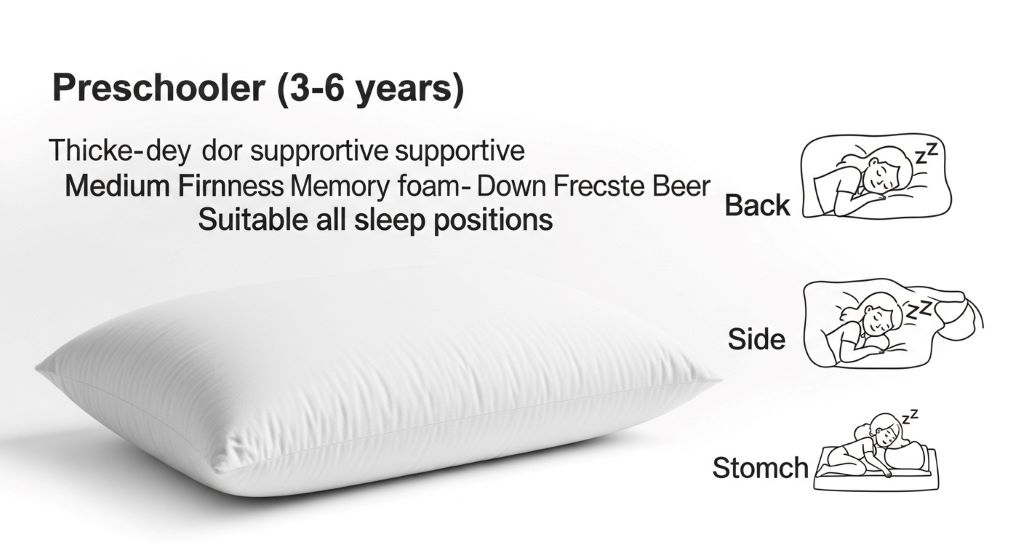
Support for Different Sleep Positions
Children change sleep positions frequently, but most have a preferred position they return to throughout the night. Understanding how different positions affect pillow needs helps you choose appropriate support.
Back sleepers need relatively thin pillows that keep their head aligned with their spine. The pillow should fill the space between the mattress and their neck without pushing their head too far forward. A pillow that’s too thick forces their chin toward their chest, which can restrict breathing and strain neck muscles.
Side sleepers require slightly thicker pillows to fill the larger gap between their head and the mattress. The pillow should keep their head level with their spine when viewed from behind. Their ear, shoulder, and hip should form a straight line. However, remember that children’s shoulders are narrower than adults’, so they still need less height than you might expect.
Stomach sleeping is generally discouraged for children as it can strain the neck and spine. If your child insists on sleeping this way, they need an extremely thin pillow or possibly no pillow at all. A very flat pillow prevents excessive neck rotation and keeps their spine closer to neutral alignment.
Combination sleepers who move between positions need versatile pillows that work reasonably well in multiple orientations. Medium-thickness pillows with good shape retention often work best for these active sleepers. The pillow should maintain its supportive properties whether they’re on their back, side, or stomach.
Firmness Levels and Preferences
Finding the right firmness balance can be tricky with children’s pillows. Personal preference plays a role, but appropriate support matters more for healthy sleep.
Soft pillows feel comfortable initially but often lack adequate support for growing bodies. They compress too easily under the weight of your child’s head, potentially allowing their neck to sink into uncomfortable angles. Very soft pillows also need replacement more frequently as they lose their shape.
Medium-firm pillows provide a good balance for most children. They offer enough cushioning to feel comfortable while maintaining sufficient structure to support proper alignment. This firmness level works well for various sleep positions and tends to last longer than very soft options.
Firm pillows might seem too hard at first, but they provide excellent support for kids pillow support needs. Children often adapt to firmer pillows quickly, especially if they’re made from materials that soften slightly with body heat. A firm pillow maintains its shape throughout the night, providing consistent support.
Let your child test different firmness levels when possible. While structural support is important, a pillow they find completely uncomfortable won’t help their sleep quality. Many children prefer slightly firmer pillows than their parents expect, particularly once they experience improved sleep quality.
Breathability and Temperature Regulation
Children often sleep warmer than adults and may kick off covers during the night. A breathable pillow helps regulate temperature and prevents uncomfortable overheating that disrupts sleep.
Natural materials like cotton, bamboo, and wool offer excellent breathability. They allow air circulation through the pillow, preventing heat and moisture buildup. Cotton covers are widely available and provide reliable temperature regulation for most climates.
Ventilated foam designs include air channels or perforations that enhance airflow. If you choose memory foam or latex, look for versions specifically designed with cooling properties. These modifications help offset the natural heat retention of solid foam materials.
Moisture-wicking covers draw perspiration away from your child’s skin, keeping them drier and more comfortable. These specialized fabrics are particularly valuable for children who sweat during sleep or live in humid climates. They work alongside breathable fill materials to create an optimal sleep environment.
Phase-change materials are found in some premium children’s pillows. These advanced fabrics absorb and release heat to maintain a consistent temperature throughout the night. While more expensive, they can significantly improve sleep quality for children who struggle with temperature regulation.
Maintenance and Durability Expectations
Children’s pillows require more frequent cleaning than adult pillows due to spills, accidents, and general wear. Choosing pillows designed for easy maintenance saves time and extends their useful life.
Check washing instructions before purchasing. Ideally, both the cover and the pillow itself should be machine washable. If only the cover is washable, make sure it’s easy to remove and replace. Some parents keep spare covers on hand for quick changes when needed.
Pillow protectors add an extra layer of defense against stains, allergens, and wear. These removable covers go under the pillowcase and can be washed frequently. Waterproof protectors are particularly valuable for younger children who might have nighttime accidents.
Expect to replace children’s pillows more frequently than adult versions. Even with excellent care, pillows lose their supportive properties over time. Plan to evaluate your child’s pillow every 12 to 18 months. Signs it’s time to replace include visible lumps, persistent odors, decreased height, or your child complaining about discomfort.
Daily fluffing helps maintain pillow shape and prevents premature flattening. Teach older children to fluff their pillow each morning as part of making their bed. Additionally, periodic airing in sunlight can help reduce moisture and odors naturally.
Age-Specific Recommendations
As children grow, their pillow needs evolve. Understanding age-appropriate options ensures your child always has suitable support for their developmental stage.
Toddlers ages two to three need very thin, small pillows if they use one at all. Look for options specifically labeled for toddlers, typically around two inches thick. The pillow should be firm enough to maintain its shape but not so hard that it’s uncomfortable. Many parents find success with folded receiving blankets during this transitional period.
Preschoolers ages three to five can use slightly thicker pillows as their bodies grow. A three-inch pillow usually works well for this age group. They’re developing sleep preferences, so involving them in choosing pillow firmness can encourage good sleep habits.
Elementary school children ages six to ten need pillows that accommodate their increasing size and activity levels. A three to four-inch pillow typically provides appropriate support. This age group benefits from more durable construction as they may be rougher with their belongings.
Preteens and teenagers can often transition to adult-sized pillows, though smaller options might still fit better depending on their individual size. Focus on their sleep position preferences and body proportions rather than strictly following age guidelines. Their input becomes increasingly important in selecting comfortable sleep products.
Budget Considerations and Value
Children’s pillows range from very affordable to surprisingly expensive. Understanding what affects price helps you determine where to invest your money.
Basic polyester-filled pillows start around ten to twenty dollars. While inexpensive, they may flatten quickly and need frequent replacement. These can be good options for very young children who are just transitioning to pillows or for guest rooms.
Mid-range options typically cost thirty to sixty dollars and offer better materials, construction, and durability. These pillows usually include features like hypoallergenic fills, washable covers, and improved shape retention. They represent the best value for most families.
Premium pillows can exceed eighty dollars and include advanced features like organic materials, sophisticated temperature regulation, or specialized ergonomic designs. These might be worthwhile for children with specific needs like allergies, chronic sleep problems, or neck issues.
Consider the cost per use rather than just the upfront price. A fifty-dollar pillow lasting three years costs less than three twenty-dollar pillows replaced annually. Additionally, the value of improved sleep quality and proper spinal support is difficult to quantify but undoubtedly significant.
Signs You’ve Chosen the Wrong Pillow
Even with careful selection, sometimes a pillow doesn’t work well for your child. Recognizing the warning signs allows you to make adjustments before poor sleep affects their daily life.
Morning neck pain or stiffness indicates inadequate support or improper alignment during sleep. If your child frequently wakes up complaining about their neck or rolls their head to relieve tightness, their pillow likely isn’t providing appropriate support.
Restless sleep with frequent position changes might stem from discomfort. While some movement is normal, excessive tossing and turning can indicate your child is unconsciously trying to get comfortable. They might be fighting against a pillow that’s too high, too low, or too soft.
Waking up with the pillow on the floor suggests it’s uncomfortable or unnecessary. If this happens occasionally, it’s normal sleep movement. However, if your child consistently pushes their pillow away during the night, it might not be appropriate for their current needs.
Headaches upon waking can result from poor neck alignment during sleep. The wrong pillow height forces the neck into unnatural angles for hours, potentially causing tension headaches. This symptom warrants trying a different pillow thickness or firmness.
Conclusion
Choosing the best children’s pillow requires balancing support, safety, comfort, and practical considerations like maintenance and durability. Understanding that kids pillow support needs differ significantly from adult requirements helps you avoid common mistakes like selecting oversized or overly thick pillows.
The right pillow for child sleep depends on multiple factors including age, body size, sleep position preferences, and any special needs like allergies. Starting with appropriately sized, moderately firm options made from hypoallergenic materials provides a solid foundation for most children. From there, you can adjust based on your child’s feedback and sleep quality.
Remember that pillow needs change as your child grows. Regular evaluation ensures they always have appropriate support for their current developmental stage. Additionally, involving older children in the selection process helps them develop awareness of their sleep health and comfort preferences.
Investing time and thought into selecting quality sleep equipment pays dividends in your child’s rest, health, and daily functioning. A well-chosen pillow supports healthy spinal development, reduces discomfort, and contributes to the restorative sleep that growing bodies desperately need. By following the guidelines in this article, you can confidently choose a pillow that helps your child sleep soundly and wake up refreshed every day.
Frequently Asked Questions
At what age should my child start using a pillow?
Most pediatricians recommend waiting until at least 18 months to two years before introducing a pillow. Infants should sleep on a completely flat surface without any pillows, blankets, or soft bedding to reduce suffocation risks. Between ages two and three, you can introduce a very thin, firm pillow if your child seems ready. However, some children don’t need a pillow until they’re older. Watch for signs like consistently sleeping on their side or using toys as makeshift pillows to indicate readiness.
How often should I replace my child’s pillow?
Children’s pillows typically need replacement every 12 to 18 months, more frequently than adult pillows. This shorter lifespan accounts for more active use, frequent washing, and the fact that children’s needs change as they grow. Replace the pillow sooner if you notice flattening, lumps, persistent odors, or if your child complains about discomfort. Additionally, reassess pillow appropriateness as your child goes through growth spurts or transitions to new sleeping positions.
Can my child use an adult pillow if it seems comfortable?
Adult pillows are generally too large and thick for children, even if they seem comfortable initially. The excessive height can force a child’s neck into unhealthy angles, potentially causing long-term alignment issues. Children’s proportions are different from adults, requiring specifically designed support. Wait until your child is approaching teenage years and their body size warrants it before considering adult-sized pillows. Even then, choose based on their individual measurements rather than age alone.
What should I do if my child is allergic to their pillow?
First, identify whether the allergy stems from the pillow material itself or allergens that have accumulated in it. Switch to a hypoallergenic pillow made from synthetic fills, latex, or specially treated materials that resist dust mites and mold. Use a waterproof, allergen-proof pillow protector under the pillowcase. Wash pillow covers weekly in hot water and replace pillows more frequently. If allergies persist, consult your pediatrician about potential sensitivities and consider allergy testing to identify specific triggers.
My child keeps waking up without their pillow. Is this a problem?
If your child consistently pushes their pillow away during sleep, it might indicate the pillow is uncomfortable, too thick, or unnecessary for their current needs. Some children genuinely sleep better without a pillow, which is perfectly fine. Try a thinner pillow to see if they keep it in place. However, if they use the pillow comfortably when falling asleep but it ends up on the floor by morning, this might just be normal sleep movement and not necessarily problematic.
Related Topics:
Basic Bedroom Checklist for Your New Home
Waterproof Bath Pillows That Make Every Bath Comfortable