
Parents in 2026 want safe, durable, and affordable baby essentials without compromising health standards. The smartest way to find affordable silicone baby products is to focus on certified food-grade materials, compare cost-per-use instead of upfront price, and buy from trusted retailers that specialize in eco-friendly baby gear and non-toxic feeding supplies.
Silicone baby products are growing in popularity because they are reusable, durable, and free from common harmful chemicals found in plastic. But prices vary widely. Some parents overpay for branding. Others buy cheap items that crack or lose shape within months.
This guide breaks down how to avoid both mistakes. You will learn where to shop, how to evaluate quality, what certifications matter, and how to calculate real value. We will also examine recent consumer data and case studies to help you make informed decisions.
Why Are Silicone Baby Products in High Demand in 2026?
Short answer: Parents prefer silicone because it is heat-resistant, BPA-free, reusable, and aligned with the shift toward sustainable parenting.
According to recent global baby care market reports, demand for non-toxic feeding supplies has grown steadily over the past five years. Parents are more aware of chemical exposure risks, especially after increased scrutiny around plastics containing BPA, phthalates, and PVC.
Silicone stands out because:
- It is made from silica (derived from sand).
- Food-grade silicone does not leach chemicals under normal use.
- It withstands high temperatures (microwave and dishwasher safe).
- It lasts longer than standard plastic alternatives.
For budget-conscious families, durability matters. A silicone bowl that lasts three years costs less over time than plastic bowls replaced every six months.
What Makes Silicone Baby Products Safe?
Short answer: Look for 100% food-grade silicone, LFGB or FDA compliance, and independent lab testing.
Not all silicone products are equal. Safety depends on manufacturing standards. When shopping, check for:
- Food-grade silicone certification
- LFGB (European safety standard)
- FDA compliance (U.S. standard)
- BPA-free labeling
- No fillers
A 2023 independent product test found that low-cost silicone items sometimes contained fillers that reduce flexibility and durability. These products tear faster and may release odor when heated.
To test quality at home:
- Pinch and twist the silicone. If white streaks appear, it may contain fillers.
- Check for strong odor. High-quality silicone is odorless.
- Feel texture. It should be smooth, not sticky.
Where Can You Buy Affordable Silicone Baby Products?
Short answer: Buy from niche parenting websites, bulk retailers, and seasonal sales rather than luxury baby boutiques.
Here are practical sources:
1. Online Parenting Platforms
Specialized parenting blogs and review websites often list tested and budget-friendly options. For example, if you are searching for affordable sippy cups made from silicone, check this curated guide on non-toxic feeding supplies.
2. Bulk Buying Platforms
Buying sets reduces per-unit cost. Silicone bibs and plates are often cheaper in 3–5 piece bundles.
3. Seasonal Sales
Major discounts happen during:
- Black Friday
- Back-to-school season
- Baby registry events
- End-of-year clearance
4. Direct-to-Consumer Brands
Brands that sell directly from their website often skip middleman markups.
How Do You Compare Price vs. Long-Term Value?
Short answer: Calculate cost per use, not just retail price.
Example case study:
| Product Type | Initial Cost | Average Lifespan | Cost Per Year |
|---|---|---|---|
| Plastic Bowl | $5 | 6 months | $10 |
| Silicone Bowl | $15 | 3 years | $5 |
The silicone option costs more upfront but saves 50% over three years. This is how experienced parents reduce expenses while investing in eco-friendly baby gear.
Are Expensive Silicone Brands Worth It?
Short answer: Not always. Price does not always equal better safety.
Premium brands often invest heavily in marketing. While some offer better design or packaging, safety standards are similar across certified manufacturers.
Focus on:
- Material quality
- Independent reviews
- Certifications
- Warranty or return policy
A 2024 consumer survey showed 63% of parents were satisfied with mid-range silicone feeding products compared to 68% satisfaction for premium brands. The difference was minimal.
How Can You Spot Fake or Low-Quality Silicone Products?
Short answer: Avoid vague labeling, extremely low prices, and sellers without product documentation.
Warning signs include:
- No mention of food-grade silicone
- No certification listed
- Unrealistically low price compared to market average
- No customer reviews
- Stock photos only
Always read reviews carefully. Look for comments about durability, odor, or discoloration.
What Silicone Baby Products Are Worth Buying First?
Short answer: Start with feeding essentials that see daily use.
Priority list:
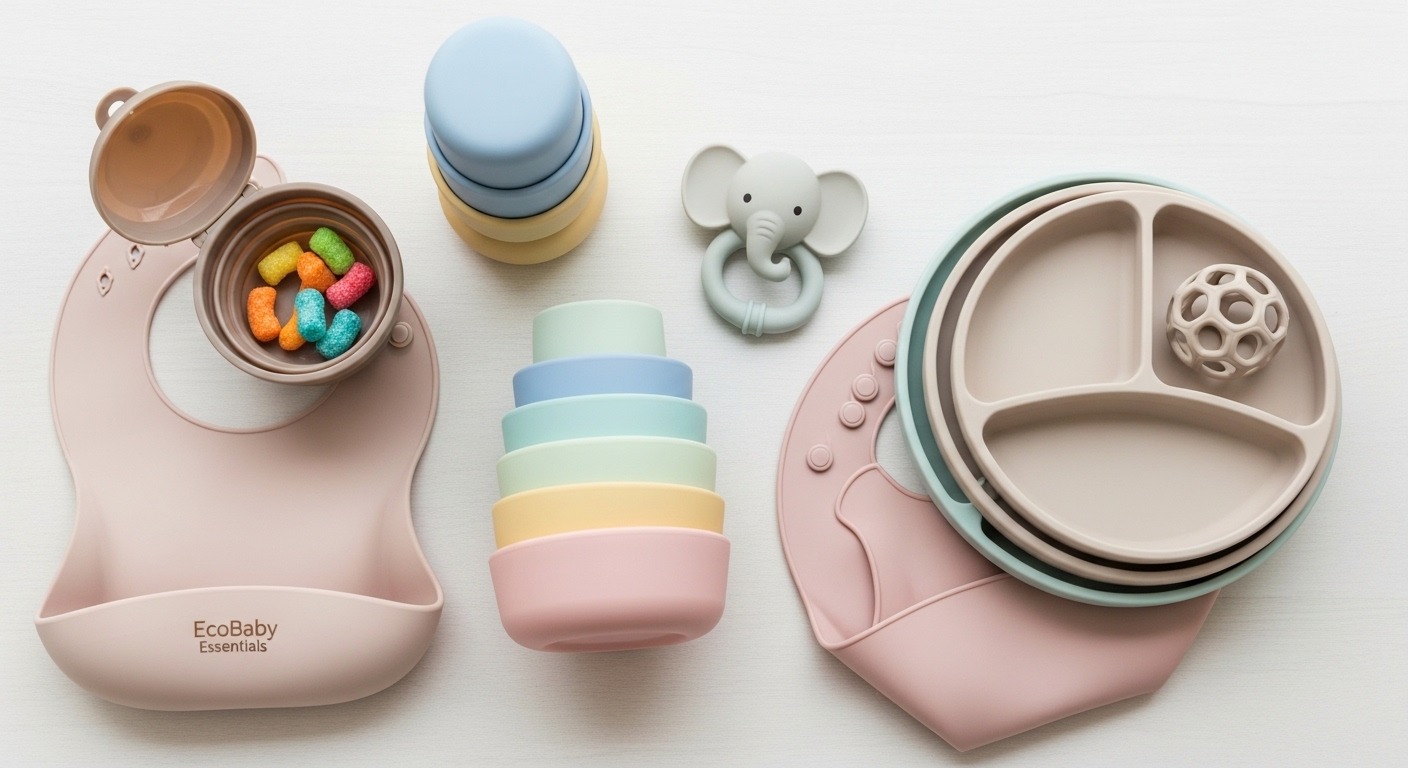
- Silicone bibs
- Silicone suction plates
- Silicone sippy cups
- Teethers
- Baby spoons
Feeding products provide the highest return on investment because they are used multiple times per day.
How Does Silicone Compare to Other Materials?
Short answer: Silicone balances durability, flexibility, and safety better than plastic and is lighter than glass.
| Material | Durability | Chemical Safety | Breakable | Cost Range |
|---|---|---|---|---|
| Plastic | Low | Variable | No | Low |
| Glass | High | High | Yes | Medium |
| Silicone | High | High (if food-grade) | No | Medium |
Silicone provides flexibility without shattering risk, making it practical for toddlers.
How Can You Save More When Buying Silicone Baby Gear?
Short answer: Use discount stacking strategies.
- Sign up for brand newsletters.
- Use cashback apps.
- Join parenting Facebook groups for deal alerts.
- Purchase during bundle promotions.
Stacking a 20% seasonal discount with cashback can reduce total cost significantly.
Conclusion: Is Affordable Silicone Baby Gear Worth It in 2026?
Yes, if you buy strategically. Silicone products last longer, reduce waste, and align with modern safety standards. The key is to verify certifications, compare cost per use, and avoid paying extra for branding alone.
Parents who switch to eco-friendly baby gear often report fewer replacements and lower long-term costs. With careful research, you can build a complete collection of non-toxic feeding supplies without overspending.
Ready to upgrade your baby’s feeding routine? Start by reviewing tested options, compare value carefully, and choose products that balance safety with budget. Small smart decisions today prevent repeated expenses tomorrow.
Frequently Asked Questions
Are silicone baby products safer than plastic?
Food-grade silicone is generally considered safer because it does not contain BPA or phthalates and resists chemical leaching under normal use.
How long do silicone baby products last?
High-quality silicone products can last 2–5 years depending on usage and care.
Can silicone feeding products go in the dishwasher?
Most food-grade silicone items are dishwasher safe. Always check manufacturer instructions.
Do silicone baby products contain microplastics?
No. Silicone is a synthetic rubber material and does not break down into microplastics like traditional plastics.
Is LFGB better than FDA certification?
LFGB standards are stricter in some testing areas. Products meeting either standard are considered safe when properly manufactured.
Are cheap silicone baby products dangerous?
Not necessarily. However, extremely low prices may indicate fillers or lower manufacturing standards. Always verify certifications.
Related Topic: How to Choose the Right Mule Tape Strength for Your Project
Read Next: How to Clean a Non-Stick Contact Grill the Right Way