
A gurgling toilet when you turn on the shower is a plumbing puzzle that often leaves homeowners scratching their heads. It’s not exactly a pleasant sound, and it can be a sign of a bigger issue lurking within your pipes. But don’t worry, you don’t need a plumbing degree to understand what’s going on. This comprehensive guide will walk you through the common causes, how to diagnose the problem toilet bubbling, and the best solutions to restore peace and quiet to your bathroom.
Understanding the Shower-Toilet Connection
Before we dive into the reasons behind a bubbling toilet, it’s important to understand how your shower and toilet are connected. Both fixtures rely on a complex network of pipes that manage the flow of water and waste. This network includes:
- Drain pipes: These pipes carry wastewater away from your home.
- Vent pipes: These pipes allow air to enter the plumbing system, preventing pressure imbalances and ensuring smooth drainage.
- Soil stack: This is the main vertical pipe that carries waste from all your fixtures to the sewer line.
When everything is working correctly, water and waste flow freely through these pipes, and air is able to circulate through the vent system. However, when there’s a blockage or restriction in the system, it can disrupt this delicate balance and lead to strange symptoms like a bubbling toilet.
Common Causes of a Bubbling Toilet When the Shower is Running
Now that you have a basic understanding of your plumbing system, let’s explore the most common reasons why your toilet might be bubbling when the shower is on:
-
Clogged Drain Lines
A clogged drain line is the most frequent culprit behind a bubbling toilet. When the shower is running, the increased volume of water flowing through the pipes can put pressure on a blockage, forcing air to escape through the path of least resistance – your toilet.
Possible causes of a clogged drain line:
- Hair: Hair is a common cause of drain clogs, especially in shower drains.
- Soap scum: Soap scum can build up over time and restrict water flow.
- Foreign objects: Small objects like toys, cotton swabs, and feminine hygiene products can also clog drains.
- Mineral buildup: Hard water can leave mineral deposits in pipes, eventually leading to a blockage.
- Tree roots: Tree roots can grow into sewer lines, causing significant blockages.
-
Blocked Vent Pipes
Vent pipes play a crucial role in maintaining proper air pressure in your plumbing system. A blocked vent pipe can disrupt this balance, causing air to be forced back through your drains, leading to gurgling sounds in your toilet.
Possible causes of a blocked vent pipe:
- Leaves and debris: Leaves, twigs, and other debris can accumulate in vent pipes, especially if the pipe opening is not properly screened.
- Bird nests: Birds may build nests in vent pipes, obstructing airflow.
- Ice: In cold climates, ice can form in vent pipes and block the opening.
- Damaged vent pipe: A damaged or collapsed vent pipe can also restrict airflow.
-
Partial Blockage in the Sewer Line
A partial blockage in the sewer line can also cause a bubbling toilet when the shower is running. The increased water flow from the shower can put pressure on the blockage, forcing air back up through your drains.
Possible causes of a partial sewer line blockage:
- Tree roots: As mentioned earlier, tree roots can grow into sewer lines and cause blockages.
- Grease buildup: Grease and oil poured down the drain can solidify and restrict water flow.
- Foreign objects: Flushing large or non-flushable items can also lead to sewer line blockages.
- Sagging sewer line: A sagging or bellied sewer line can trap waste and cause blockages.
-
Inadequate Venting
In some cases, a bubbling toilet may be caused by inadequate venting in your plumbing system. This means that the vent pipes are not large enough or there are not enough vent pipes to handle the volume of air generated by your fixtures. This can lead to pressure imbalances and gurgling sounds.
-
Faulty Plumbing Fixtures
While less common, a faulty toilet or shower drain can also contribute to bubbling issues. A cracked toilet bowl or a damaged shower drain can disrupt the normal flow of water and air, leading to gurgling sounds.
Diagnosing the Problem
Identifying the exact cause of a bubbling toilet can require some detective work. Here’s a step-by-step guide to help you diagnose the problem:
- Check for other plumbing issues:
- Slow drains: Do you notice slow drains in other fixtures like sinks or bathtubs? This could indicate a more widespread blockage in your drain lines.
- Gurgling sounds in other drains: Do you hear gurgling sounds in other drains when you run water? This could point to a vent pipe issue.
- Sewer backups: Have you experienced any sewer backups in your basement or yard? This is a serious sign of a sewer line blockage.
- Isolate the problem:
- Run only the shower: Does the toilet bubble only when the shower is running, or does it happen when other fixtures are used as well? This can help narrow down the location of the problem.
- Flush the toilet while the shower is running: Does flushing the toilet worsen the bubbling? This could indicate a blockage closer to the toilet.
- Inspect the vent pipes:
- Visually inspect the roof vent: Go outside and visually inspect the vent pipe on your roof. Look for any signs of blockage, damage, or nests.
- Check for proper airflow: Hold a lit match or a piece of tissue near the vent pipe opening. If the flame or tissue is drawn towards the pipe, there is good airflow. If not, the vent pipe may be blocked.
- Consider professional help:
If you’re unable to diagnose the problem yourself, or if you suspect a sewer line blockage, it’s best to call a licensed plumber. They have the tools and expertise to identify the source of the problem and recommend the best course of action.
Solutions for a Bubbling Toilet
Once you’ve identified the cause of the bubbling toilet, you can take steps to fix the problem. Here are some common solutions:
- Clear clogged drains:
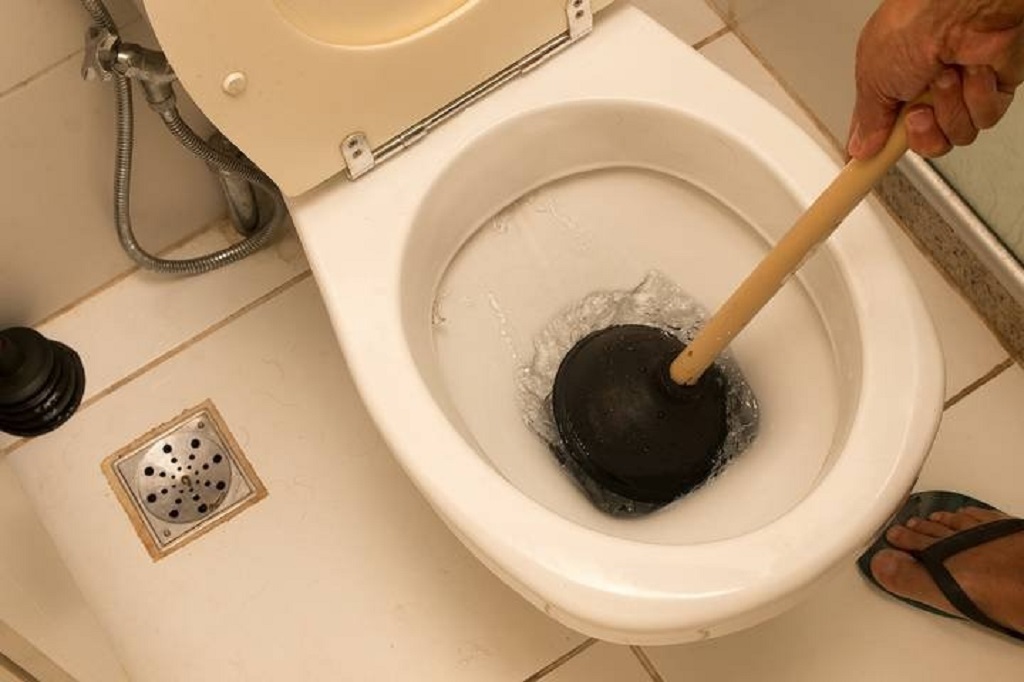
- Plunger: A plunger can be effective for clearing minor clogs in shower drains and toilets.
- Drain snake: A drain snake can reach deeper into pipes to break up or remove clogs.
- Chemical drain cleaner: Chemical drain cleaners can dissolve hair, grease, and other debris. However, use caution as these chemicals can be harsh on pipes and harmful to the environment.
- Clear blocked vent pipes:
- Remove debris: If you can safely access the vent pipe opening, remove any leaves, twigs, or other debris that may be blocking it.
- Use a garden hose: Flush the vent pipe with a garden hose to remove any stubborn blockages.
- Call a plumber: If you’re unable to clear the blockage yourself, or if you suspect a bird nest or other obstruction, call a plumber.
- Address sewer line issues:
- Call a plumber: Sewer line issues are best left to professionals. A plumber can use specialized tools like sewer cameras and hydro jetting equipment to clear blockages and repair damaged pipes.
- Improve ventilation:
- Add additional vent pipes: If your plumbing system has inadequate venting, a plumber can add additional vent pipes to improve airflow.
- Increase the size of existing vent pipes: In some cases, increasing the size of existing vent pipes may be necessary to handle the volume of air generated by your fixtures.
- Repair or replace faulty fixtures:
- Repair or replace the toilet: If the toilet is cracked or damaged, it may need to be repaired or replaced.
- Repair or replace the shower drain: If the shower drain is damaged, it may need to be repaired or replaced.
Read More Also: Perfectly Cooked Penne Every Time: A Guide to Boiling Time and Beyond
Preventing Future Problems
Once you’ve fixed the bubbling toilet, you can take steps to prevent future problems:
- Avoid pouring grease down the drain: Dispose of grease and oil in a separate container.
- Flush only toilet paper and human waste: Avoid flushing anything else down the toilet, including wipes, feminine hygiene products, and paper towels.
- Install drain strainers: Drain strainers can catch hair and other debris before they clog your drains.
- Clean drains regularly: Regularly clean your drains with a drain cleaner or baking soda and vinegar to prevent buildup.
- Schedule regular plumbing inspections: A licensed plumber can inspect your plumbing system for potential problems and recommend preventative maintenance.
Read More Also: How to Identify Luxury Real Estate Opportunities in Competitive Markets
FAQs about Bubbling Toilets
Q: Is a bubbling toilet a serious problem?
A: A bubbling toilet can be a sign of a minor or serious plumbing issue. It’s best to investigate the cause and address the problem promptly to prevent further damage or inconvenience.
Q: Can I fix a bubbling toilet myself?
A: If the problem is a simple clog, you may be able to fix it yourself with a plunger or drain snake. However, if you suspect a more serious issue like a blocked vent pipe or sewer line blockage, it’s best to call a plumber.
Q: How much does it cost to fix a bubbling toilet?
A: The cost to fix a bubbling toilet depends on the cause of the problem and the extent of the repairs needed. Simple clogs can often be cleared for under $100, while more complex issues like sewer line repairs can cost several thousand dollars.
Q: How can I prevent my toilet from bubbling?
A: You can prevent your toilet from bubbling by avoiding pouring grease down the drain, flushing only toilet paper and human waste, installing drain strainers, cleaning drains regularly, and scheduling regular plumbing inspections.
Q: What other problems can cause a bubbling toilet?
A: Other problems that can cause a bubbling toilet include a faulty toilet flapper, a clogged air admittance valve, and a blocked sewer vent stack.
Conclusion
A bubbling toilet when the shower is running is a common plumbing problem that can be caused by a variety of factors, including clogged drains, blocked vent pipes, and sewer line issues. By understanding the common causes, diagnosing the problem, and implementing the appropriate solutions, you can restore peace and quiet to your bathroom and prevent future plumbing problems. If you’re unsure about the cause of the problem or how to fix it, don’t hesitate to call a licensed plumber for assistance.
Read More:
Essential Tips for a Successful Bathroom Renovation
How to Create a Classy Bathroom: The Ultimate Guide
How to Install Spray Paint Bathroom Cabinets
Five Trendy Tiles You Should Consider For Your Bathroom
Bathroom with hydraulic floors that will make you love these