
Cow udder, while not a common dish in many parts of the world, holds cultural significance and culinary interest in certain regions. This article provides a comprehensive guide to boiling cow udder, including preparation, cooking time, and serving suggestions, while adhering to Google’s Helpful Content Update guidelines.
Understanding Cow Udder
Cow udder, also known as beef udder, is the mammary gland of a cow. It has a unique texture, somewhat similar to beef tongue, and a rich, creamy flavor when properly prepared. While it might not be a staple in your local supermarket, you can often find it at specialty butcher shops or farmers’ markets.
Before Boiling: Essential Preparation
Proper preparation is crucial for tender and flavorful cow udder. Here’s a step-by-step guide:
- Cleaning: Thoroughly rinse the udder under cold water to remove any impurities.
- Soaking: Soak the udder in cold water for several hours, or preferably overnight. This helps to remove any residual blood and softens the tissue. Change the water a few times during the soaking process.
- Blanching: Bring a large pot of water to a boil and blanch the udder for about 5-10 minutes. This helps to further cleanse and remove any unwanted flavors.
- Trimming: After blanching, trim away any excess fat or connective tissue from the udder.
Boiling Time: The Key to Tenderness
The boiling time for cow udder depends on its size and your desired texture. As a general rule, plan for 2-3 hours of simmering over low heat.
- Key Indicators of Doneness: The udder fully cooks when it becomes fork-tender and you can easily pierce it with a knife. The color should be a uniform pale pink throughout.
Tips for Optimal Boiling
- Aromatics: Enhance the flavor by adding aromatics to the boiling water. Onions, garlic, bay leaves, peppercorns, and herbs like thyme or parsley are excellent choices.
- Salt: Season the water generously with salt. This not only adds flavor but also helps to tenderize the udder.
- Low and Slow: Maintain a gentle simmer throughout the cooking process. Avoid boiling vigorously, as this can toughen the udder.
- Skimming: Skim off any foam or impurities that rise to the surface of the water during cooking.
After Boiling: Enhancing Flavor and Texture
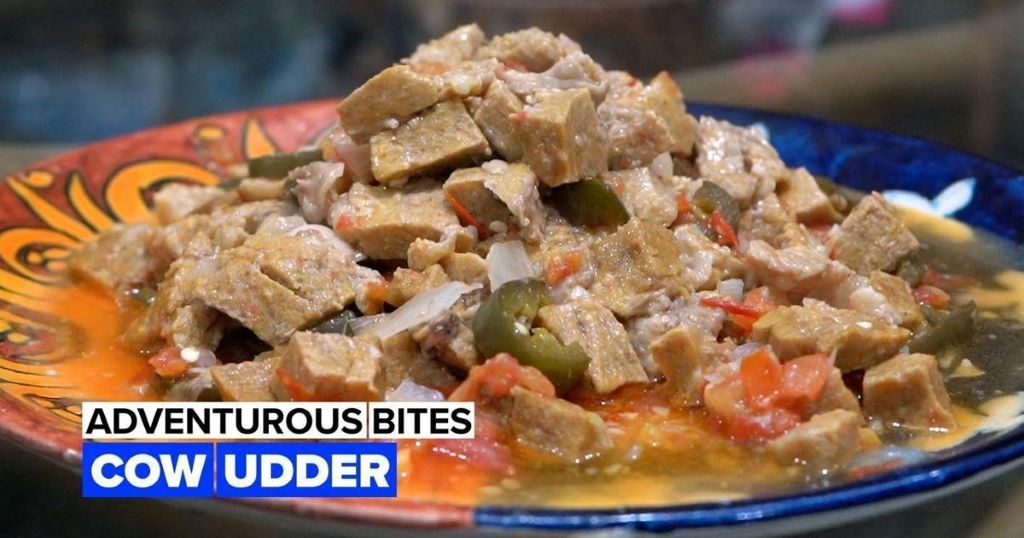
Once the udder is cooked, you can further enhance its flavor and texture:
- Cooling: Allow the udder to cool slightly in the cooking liquid. This helps to retain moisture and prevent it from drying out.
- Pressing: For a firmer texture, you can press the cooked udder. Place it between two plates with a weight on top and refrigerate for several hours or overnight.
Serving Suggestions
Cow udder can be enjoyed in a variety of ways:
- Sliced: Serve thin slices of cold boiled udder as a deli meat. It pairs well with mustard, horseradish, and pickles.
- Salads: Dice cooked udder and add it to salads for a unique and flavorful twist.
- Sandwiches: Create hearty sandwiches with sliced udder, your favorite bread, and condiments.
- Fried: Cut the boiled udder into cubes and fry until golden brown for a crispy appetizer or snack.
- Stews and Soups: Add diced udder to stews and soups for a rich and satisfying flavor.
Beyond the Basics: Exploring Regional Variations
In different parts of the world, cow udder is prepared and served in unique ways:
- Indonesia: “Soto Betawi” is a traditional Indonesian beef soup that often features cow udder as a key ingredient.
- Jamaica: Cow udder is sometimes curried or used in stews.
- South Africa: “Skilpadjies” is a traditional South African dish made with minced lamb or mutton, often mixed with cow udder and baked in a shell.
Perfect Boiling Time for Chickpeas: A Guide to Boiling Time and Beyond
Important Considerations
- Source: Obtain cow udder from a reputable butcher or farmer to ensure quality and freshness.
- Allergies: Be mindful of potential allergies. If you have a dairy allergy, consult with a doctor before consuming cow udder.
- Offal: People consider cow udder offal, which may not appeal to all palates.
You Might Enjoy: Perfecting the Art of Boiling Turkey Eggs: A Comprehensive Guide
Conclusion
Boiling cow udder requires patience and attention to detail, but the result is a unique and flavorful dish. By following these guidelines, you can confidently prepare and serve cow udder that is both tender and delicious. Whether enjoyed as a simple cold cut or incorporated into more complex recipes, cow udder offers a culinary adventure for those willing to explore beyond the familiar.