
Chickpeas, those humble legumes packed with protein and fiber, are a cornerstone of countless cuisines around the world. Whether you’re whipping up a creamy hummus, a hearty stew, or a refreshing salad, knowing how to properly boil chickpeas is essential for culinary success. This comprehensive guide delves deep into the art of boiling chickpeas, offering tips, tricks, and creative serving ideas to elevate your culinary creations, perfect boiling time for chickpeas.
Factors Influencing Boiling Time
Unlike their dried bean counterparts, chickpeas generally require a longer cooking time. Several factors can influence how long it takes to achieve that perfect, tender texture:
- Soaking: Soaking chickpeas overnight is a game-changer. It not only reduces cooking time but also improves digestibility. Aim for at least 8 hours, or even up to 24 hours for optimal results.
- Chickpea Age: Fresher chickpeas cook faster. If you’re unsure about the age of your chickpeas, err on the side of a longer cooking time.
- Cooking Method: Stovetop boiling is the traditional method, but pressure cookers and slow cookers can significantly reduce cooking time.
- Desired Texture: If you prefer a firmer chickpea for salads, a shorter boiling time will suffice. For creamy hummus or stews, longer cooking is key.
Boiling Chickpeas: A Step-by-Step Guide
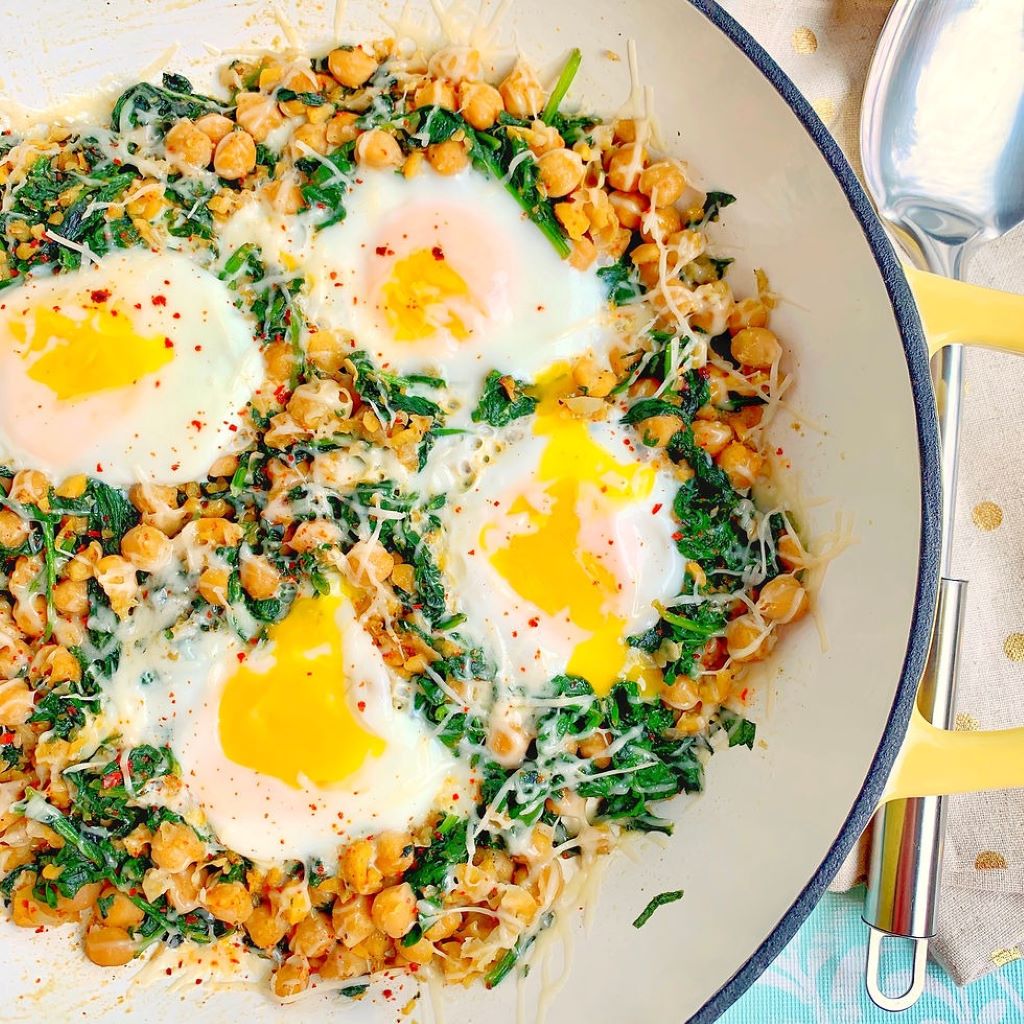
- Soaking (Recommended): Rinse dried chickpeas and place them in a large bowl. Cover with ample water, adding a teaspoon of baking soda (optional, helps soften the chickpeas). Soak for at least 8 hours or overnight.
- Rinsing: Drain and rinse the soaked chickpeas thoroughly.
- Stovetop Boiling: Transfer the chickpeas to a large pot and cover with fresh water by about 2 inches. Add aromatics like bay leaves, garlic cloves, or a sprig of rosemary for enhanced flavor. Bring to a boil, then reduce heat to a simmer.
- Simmering Time: Simmer uncovered for 1 to 2 hours or until tender. Start checking for doneness around the 1-hour mark, as cooking times can vary.
- Salt and Seasoning: Contrary to popular belief, salt doesn’t necessarily toughen chickpeas. You can add salt towards the end of the cooking process or after the chickpeas are cooked.
Pro Tip: Skim off any foam that rises to the surface during the initial boil for clearer cooking liquid.
Alternative Cooking Methods
- Pressure Cooker: A pressure cooker drastically reduces cooking time. Cook soaked chickpeas for about 20-30 minutes, or unsoaked chickpeas for 40-50 minutes, depending on your pressure cooker model. Always follow the manufacturer’s instructions.
- Slow Cooker: This method is ideal for hands-off cooking. Combine soaked chickpeas with water and aromatics in your slow cooker. Cook on low for 6-8 hours, or until tender.
Beyond Boiling: Tips and Tricks
- Quick Soak: Short on time? Try the quick soak method. Bring chickpeas and water to a boil, then let them sit for 1 hour before cooking.
- Don’t Overcrowd: Ensure the pot is large enough to allow for proper water circulation around the chickpeas.
- Testing for Doneness: A properly cooked chickpea should be tender but not mushy. You should be able to easily mash it between your fingers.
- Saving the Cooking Liquid (Aquafaba): The liquid from cooked chickpeas, known as aquafaba, can be used as a vegan egg white substitute in recipes like meringues and mayonnaise.
Creative Serving Ideas
Now that you’ve mastered the art of boiling chickpeas, it’s time to explore the endless culinary possibilities:
- Hummus: Blend cooked chickpeas with tahini, lemon juice, garlic, and olive oil for a classic hummus. Experiment with flavors by adding roasted red peppers, spinach, or sundried tomatoes.
- Salads: Add chilled, boiled chickpeas to your favorite salads for a protein boost and satisfying texture.
- Stews and Soups: Chickpeas are a hearty addition to stews, soups, and curries. They absorb the flavors of the broth beautifully.
- Roasted Chickpeas: Toss cooked chickpeas with olive oil, spices, and herbs, then roast them in the oven until crispy for a healthy snack.
- Falafel: Grind cooked chickpeas with herbs and spices to make delicious falafel patties.
You Might Like: Mastering the Art of Boiling Duck Meat: A Comprehensive Guide
Troubleshooting
- Chickpeas still hard after cooking: This could be due to old chickpeas or insufficient cooking time. Try simmering them for longer, adding more water if necessary.
- Chickpeas are mushy: Overcooking can lead to mushy chickpeas. Be sure to check for doneness regularly.
- Chickpeas have a bitter taste: This may be due to the presence of saponins, naturally occurring compounds in chickpeas. Soaking and rinsing thoroughly usually removes most of the bitterness.
By following these tips and techniques, you’ll be well on your way to creating delicious and satisfying dishes with perfectly boiled chickpeas. Remember, practice makes perfect, so don’t be afraid to experiment and discover your culinary creations with this versatile legume.