
The dream of fresh, homegrown vegetables often conjures images of sprawling backyards and endless rows of bounty. But what if your “backyard” is a tiny balcony, a compact patio, or even just a sunny windowsill? The good news is, a lack of acreage doesn’t mean a lack of edible abundance. In fact, with a bit of creativity, strategic planning, and the right approach, you can transform even the most modest of spaces into a thriving vegetable garden, brimming with delicious produce.
This comprehensive guide will show you exactly how to cultivate a productive and beautiful small-space vegetable garden, no matter how limited your square footage. Get ready to embrace the joy of urban farming and taste the difference of truly fresh food!
Why Go Small with Your Garden? The Big Benefits!
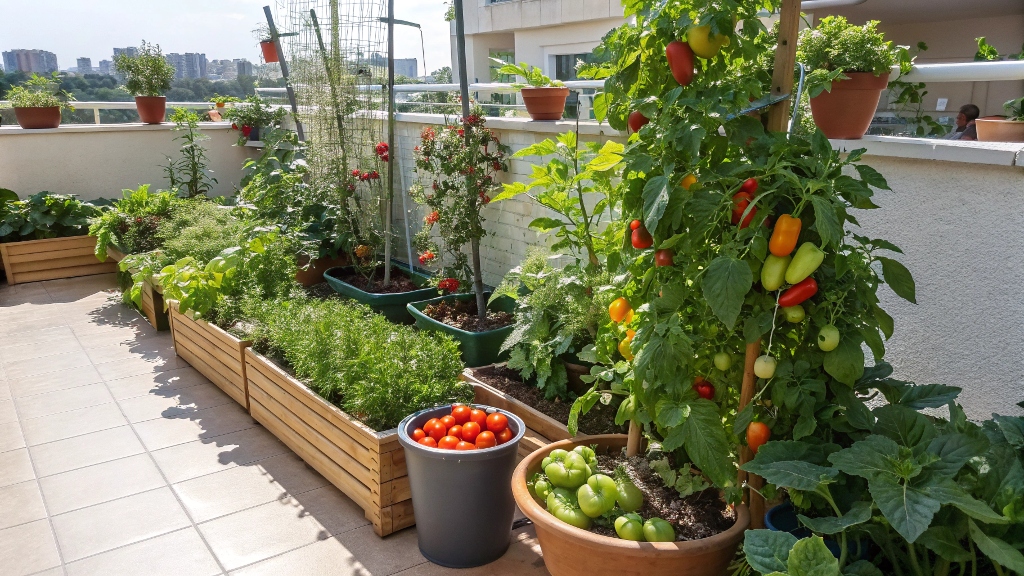
Before we dive into the “how-to,” let’s consider why small-space gardening is such a brilliant idea, even if you theoretically could have a larger garden:
- Freshness on Demand: Imagine plucking ripe tomatoes or crisp lettuce just moments before they hit your plate. The flavor and nutritional value are unparalleled.
- Cost Savings: While there’s an initial investment, growing your own produce significantly reduces your grocery bill over time, especially for organic or specialty items.
- Therapeutic Escape: Gardening is a proven stress reliever. The act of nurturing plants, watching them grow, and harvesting your efforts is incredibly rewarding and calming.
- Sustainable Living: Growing your own food reduces your carbon footprint by cutting down on transportation and packaging.
- Educational for All Ages: It’s a fantastic way to teach children about where food comes from, healthy eating, and the wonders of nature.
- Accessibility: Small spaces are often more accessible for individuals with limited mobility, allowing them to enjoy the benefits of gardening without the physical demands of a large plot.
Unleash Your Inner Urban Farmer: Where to Begin
The first step in any successful small-space garden is understanding your available real estate and its unique characteristics.
-
Sun, glorious Sun! (Or lack thereof)
Sunlight is the fuel for your plants. Most vegetables require at least 6-8 hours of direct sunlight per day to thrive.
- Observe your space: Throughout the day, note how the sun moves across your balcony, patio, or window. Are there any obstructions (buildings, trees) that cast significant shade?
- Identify your sunniest spots: These are your prime locations for sun-loving plants like tomatoes, peppers, cucumbers, and most herbs.
- Embrace the shade (for some!): Don’t despair if you have partial shade. Many leafy greens (lettuce, spinach, kale), root vegetables (carrots, radishes), and some herbs (mint, cilantro) can tolerate or even prefer less intense sunlight.
-
Space Assessment: Beyond the Obvious
Look at your space with fresh eyes. Every nook and cranny has potential!
- Verticality is your friend: Think upwards! Walls, railings, and even unused corners can become fertile ground.
- Consider weight: If you’re gardening on a balcony or rooftop, be mindful of weight limits, especially when using large containers filled with soil and water.
- Water access: How will you water your plants? Proximity to a water source (faucet, hose) or the ease of carrying a watering can is crucial.
- Air circulation: Good airflow helps prevent fungal diseases. Avoid overcrowding plants.
Choosing Your Containers: The Backbone of Your Small Garden
Containers are the bedrock of small-space gardening. The options are vast, so choose what works best for your plants, aesthetics, and budget.
- Terracotta Pots: Classic and breathable, but dry out quickly.
- Plastic Pots: Lightweight, retain moisture well, and affordable. Can look less appealing.
- Fabric Grow Bags: Excellent for aeration, prevent root circling, lightweight, and foldable for storage. Ideal for root vegetables and potatoes.
- Wooden Planters: Aesthetically pleasing, good insulation, but can be heavy and may rot over time if not treated.
- Repurposed Items: Get creative! Old tires (check for leaching chemicals), plastic tubs, buckets, laundry baskets (drill drainage holes!), even old dresser drawers can be transformed into planters. Just ensure adequate drainage.
Key Container Tip: No matter the material, drainage is paramount! If water can’t escape, your plant roots will rot. Ensure every container has drainage holes at the bottom. You can add a layer of gravel or broken pot shards to the bottom to further aid drainage, though this isn’t strictly necessary if your holes are sufficient.
Soil: The Foundation of Life
Don’t skimp on soil! This isn’t just dirt from your backyard.
- Potting Mix is King: Use a high-quality, lightweight potting mix specifically designed for containers. It provides good drainage, aeration, and holds moisture and nutrients.
- Avoid Garden Soil: Garden soil is too heavy for containers, compacts easily, and may contain pests or diseases.
- Amendments (Optional): For long-term health, consider adding compost or worm castings to your potting mix. These enrich the soil with beneficial microbes and nutrients.
What to Grow? Smart Choices for Small Spaces
Choosing the right plants is critical for success in a limited area. Focus on compact varieties, vertical growers, and highly productive plants.
Highly Recommended for Small Spaces:
- Leafy Greens: Lettuce (cut-and-come-again varieties are fantastic), spinach, kale, Swiss chard, arugula. Many tolerate partial shade.
- Herbs: Basil, mint, parsley, cilantro, chives, rosemary, thyme, oregano. These are incredibly rewarding and can be grown in small pots or even indoors near a sunny window.
- Bush Beans: Unlike pole beans, bush beans are more compact and don’t require extensive trellising.
- Radishes: Quick to mature and don’t need deep soil.
- Carrots (Short Varieties): Look for “Danvers Half Long” or “Little Finger” varieties suitable for containers.
- Bush Cucumbers: Compact varieties or those suitable for trellising vertically.
- Dwarf Tomatoes: Look for “determinate” or “bush” varieties like “Patio,” “Tiny Tim,” or “Celebrity.”
- Peppers: Bell peppers and chili peppers can do well in containers if given enough sun.
- Strawberries: Excellent for hanging baskets or vertical planters.
- Cherry Tomatoes: Prolific producers in containers, especially if trellised.
Plants to Consider with Caution (Require More Space/Care):
- Corn: Needs significant space and often companion planting for pollination.
- Pumpkins/Winter Squash: Sprawling vines that take up a lot of horizontal space.
- Watermelons: Similar to pumpkins, very large vines.
Design Your Edible Oasis: Layout and Verticality
Now for the fun part – arranging your garden!
- Think Vertically:
- Tiered Planters: Stacked pots or purpose-built tiered systems maximize vertical space.
- Wall Planters/Pockets: Attach fabric pockets or small planters to a sunny wall or fence.
- Trellises and Cages: Support climbing plants like pole beans, cucumbers, cherry tomatoes, and peas. You can even use repurposed lattice or old ladders.
- Hanging Baskets: Ideal for strawberries, cherry tomatoes, herbs, and cascading flowers.
- Companion Planting: Certain plants benefit from being grown near each other. For example, basil can deter pests from tomatoes, and marigolds can protect many vegetables.
- Succession Planting: To ensure a continuous harvest, plant small batches of quick-maturing crops (like lettuce, radishes, or spinach) every 2-3 weeks.
- Consider Aesthetics: Mix in some edible flowers (nasturtiums, calendula, pansies) or decorative herbs to make your garden visually appealing.
The Nurturing Touch: Care and Maintenance
Your small garden will thrive with consistent care.
- Watering Wisely:
- Frequency: Container plants dry out much faster than in-ground gardens. Check soil moisture daily by sticking your finger about an inch deep. If it feels dry, it’s time to water.
- Technique: Water thoroughly until water drains from the bottom of the pot. Avoid overhead watering on leaves, as this can encourage fungal diseases. Water in the morning or early evening to reduce evaporation.
- Fertilizing:
- Nutrient Depletion: Container soil nutrients leach out with watering.
- Feeding Schedule: Start with a good potting mix, which often has some slow-release fertilizer. After a few weeks, begin fertilizing every 2-4 weeks with a balanced liquid fertilizer (organic options are available).
- Follow Directions: Always follow the instructions on your fertilizer product to avoid over-fertilizing, which can burn plants.
- Pest and Disease Management:
- Regular Inspection: Check your plants daily for any signs of pests (aphids, spider mites) or diseases (leaf spots, wilting).
- Early Intervention: Catching problems early makes them easier to manage. Hand-pick larger pests. For smaller infestations, a strong spray of water or an insecticidal soap can be effective.
- Good Air Circulation: Helps prevent many fungal issues.
- Pruning and Harvesting:
- Pinch Back: For bushier growth, pinch back the growing tips of some plants (e.g., basil, peppers).
- Harvest Regularly: Harvesting encourages plants to produce more. Don’t let vegetables over-ripen on the plant.
Troubleshooting Common Small-Space Garden Challenges
- Yellowing Leaves: Often a sign of nutrient deficiency (needs fertilizer) or over/underwatering.
- Wilting Plants: Usually indicates lack of water, but can also be a sign of overwatering (root rot) or extreme heat. Check soil moisture.
- Lack of Flowers/Fruit: Insufficient sunlight, poor pollination, or nutrient imbalance.
- Leggy Plants: Not enough light. Try to move them to a sunnier spot or provide supplemental lighting.
Beyond the Harvest: Enjoying Your Bounty
Once your garden is producing, enjoy the fruits (and vegetables!) of your labor.
- Cook Fresh: Incorporate your homegrown produce into your daily meals.
- Preserve: If you have an abundance, consider simple preservation methods like freezing herbs, making pesto, or pickling radishes.
- Share: Share your surplus with friends, family, or neighbors.
Read More Also: Magnetic Door Draft Stopper: Ultimate Guide to a Cozy Home
Your Small Space, Big Impact Garden Awaits!
Starting a vegetable garden in a small space isn’t just about growing food; it’s about cultivating a connection to nature, fostering self-sufficiency, and discovering the immense satisfaction of nurturing life. With a bit of planning, consistent care, and a willingness to experiment, your compact urban oasis will soon be yielding fresh, delicious produce that nourishes both your body and your soul. So, grab your gloves, pick your pots, and get ready to transform your small space into a vibrant, edible paradise! Happy growing!