
In an increasingly interconnected world, the peace of mind that comes from knowing your home is safe and secure is invaluable. Choosing the right home security system, however, can feel like navigating a labyrinth, with a plethora of options, technologies, and pricing structures vying for your attention. This comprehensive guide aims to demystify the process, providing you with the latest information to make an informed decision about the best security system for your unique needs.
Understanding the Landscape: From Basic Alarms to Smart Home Integration
The realm of home security has evolved significantly beyond simple alarm systems. Today, we’re presented with a spectrum of solutions, ranging from traditional monitored alarms to sophisticated smart home integrations. At the core of any system lies the fundamental goal: to deter intruders and alert you and/or authorities in the event of a breach.
Traditional Monitored Alarm Systems: A Reliable Foundation
These systems, often provided by established security companies, typically include door and window sensors, motion detectors, and a central control panel. When a sensor is triggered, the alarm sounds and a monitoring center is notified. They then contact you or dispatch law enforcement or emergency services. These systems offer a sense of professional oversight, which can be particularly reassuring for those who prioritize immediate response in emergencies.
Pros:
- Professional Monitoring: 24/7 monitoring provides a rapid response.
- Established Infrastructure: Reliable and proven technology.
- Insurance Discounts: Many insurers offer discounts for professionally monitored systems.
Cons:
- Monthly Fees: Ongoing monitoring contracts can be costly.
- Limited Customization: Often less flexible than DIY systems.
- Potential for False Alarms: This can lead to fines if frequent.
DIY Security Systems: Flexibility and Control in Your Hands
DIY (Do-It-Yourself) systems have gained immense popularity due to their affordability and flexibility. These systems allow you to customize your security setup, choosing the sensors and devices that best suit your needs. They often integrate with smartphone apps, enabling remote monitoring and control.
Pros:
- Cost-Effective: No long-term contracts or professional installation fees.
- Customizable: Tailor the system to your specific needs.
- Smart Home Integration: Often compatible with other smart devices.
Cons:
- Self-Monitoring Responsibility: You are responsible for monitoring and responding to alerts.
- Installation Complexity: This may require some technical knowledge.
- Potential for System Vulnerabilities: DIY systems may be more susceptible to hacking if not properly secured.
Smart Home Security Systems: The Future of Protection
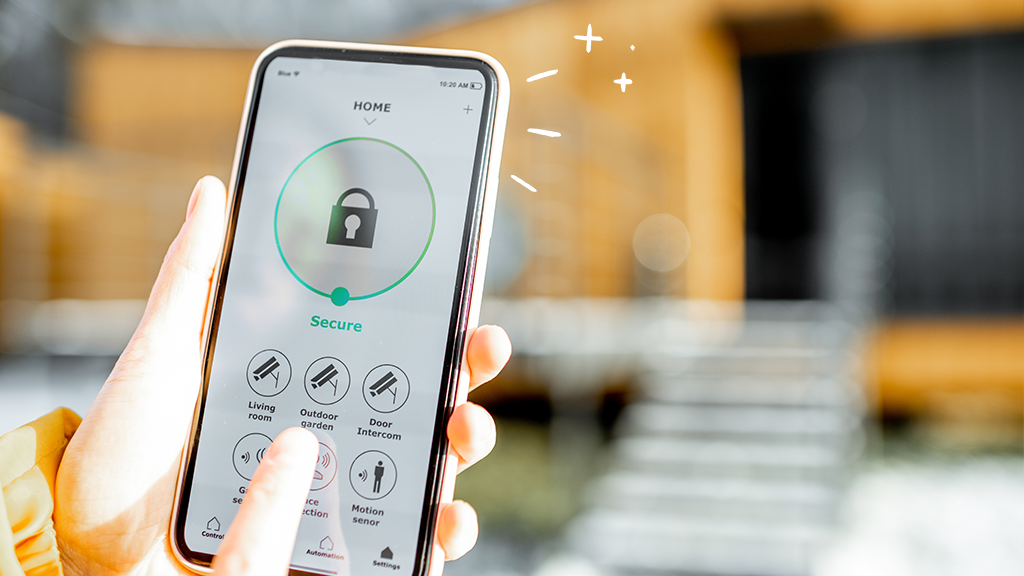
Smart home security systems represent the cutting edge of home protection. These systems seamlessly integrate with other smart home devices, such as smart locks, lighting, and thermostats, creating a comprehensive security ecosystem. They often feature advanced technologies like facial recognition, AI-powered motion detection, and real-time video streaming.
Pros:
- Advanced Features: Facial recognition, AI-powered analytics, and remote access.
- Integration with Smart Home Devices: Unified control and automation.
- Enhanced Convenience: Remote monitoring and control from anywhere.
Cons:
- Higher Initial Cost: Advanced features and technology can be expensive.
- Complexity: Setting up and managing a smart home system can be complex.
- Privacy Concerns: Potential for data collection and privacy breaches.
Related: Using High-Impact Windows and Doors to Increase Home Security
Key Factors to Consider When Choosing a System:
- Your Budget: Determine how much you are willing to spend on upfront costs and monthly fees.
- Home’s Layout and Size: Consider the number of doors, windows, and rooms that need protection.
- Your Lifestyle and Needs: Evaluate your security priorities and preferences.
- Technology Proficiency: Assess your comfort level with setting up and managing a security system.
- Monitoring Preferences: Decide whether you prefer professional monitoring or self-monitoring.
- Smart Home Integration: Determine if you want your security system to integrate with other smart devices.
- Camera Quality and Storage: If using cameras, determine the video quality and storage options needed.
- Battery Backup: Make sure the system has a battery backup in case of power outages.
- Cellular Backup: A cellular backup ensures that the system will work even if the internet goes down.
Top Security System Features in 2025:
- AI-Powered Video Analytics: Distinguishes between people, animals, and vehicles, reducing false alarms.
- Facial Recognition: Identifies familiar faces and alerts you to unknown individuals.
- Two-Way Audio: Allows you to communicate with visitors or deter intruders.
- Smart Locks: Enables remote locking and unlocking of doors.
- Environmental Sensors: Detects smoke, carbon monoxide, and water leaks.
- Geofencing: Automates security settings based on your location.
- App Integration: Control and monitor your system from your smartphone.
- End-to-end encryption: Encrypts data from camera to storage, to prevent spying.
- Local Storage: Some systems offer local storage, so that video footage does not need to be stored in the cloud.
Related: Decorative Smart Perimeter: The Future of Home Decoration Meets Technology
People Also Ask (FAQs):
Q: What is the average cost of a home security system?
A: The cost varies widely depending on the type of system and features. DIY systems can range from $100 to $500, while professionally monitored systems can cost $300 to $1,000 upfront, plus monthly fees of $30 to $60 or more. Smart home security systems can range from $500 to $2,000 or more.
Q: Do I need professional monitoring?
A: Professional monitoring provides 24/7 oversight and rapid response in emergencies. However, it comes with monthly fees. If you prefer self-monitoring and are comfortable responding to alerts, a DIY system may be sufficient.
Q: Can I install a security system myself?
A: Yes, many DIY systems are designed for easy self-installation. However, some systems may require basic technical knowledge. Professional installation is recommended for complex systems or if you are not comfortable with DIY.
Q: Are wireless security systems reliable?
A: Yes, wireless security systems are generally reliable. However, it’s important to choose a system with a strong wireless signal and reliable battery backup.
Q: How can I prevent false alarms?
A: Ensure that sensors are properly installed and calibrated. Familiarize yourself with the system’s settings and adjust sensitivity levels as needed. Regularly test the system and inform your monitoring center of any changes to your contact information.
Q: What are the best security camera features?
A: Look for cameras with high resolution (1080p or higher), wide field of view, night vision, motion detection, two-way audio, and local or cloud storage options.
Q: How can I make my home more secure without a security system?
A: Install strong locks on doors and windows, trim bushes around your home, install motion-activated lighting, and consider a security door reinforcement kit. Make sure to keep valuables out of sight.
Q: Do security cameras deter burglars?
A: Yes, visible security cameras can act as a deterrent, discouraging potential burglars. However, it’s important to have a comprehensive security plan that includes other measures.
Q: How do I choose a reputable security company?
A: Research companies online, read reviews, and compare pricing and features. Look for companies with a proven track record, professional certifications, and excellent customer service.
Conclusion: Tailoring Security to Your Unique Needs
Choosing the best home security system is a personal decision that depends on your individual needs, budget, and preferences. By carefully considering the factors outlined in this guide, you can make an informed choice and create a secure sanctuary for yourself and your loved ones. Whether you opt for a traditional monitored system, a flexible DIY setup, or a cutting-edge smart home integration, the goal remains the same: to protect your home and provide peace of mind. In 2025, the options are plentiful, and with diligent research, you can find the perfect system to safeguard your sanctuary. Remember to stay updated with the latest technological developments and continually evaluate your security needs to ensure your home remains a safe haven.