
Your HVAC (Heating, Ventilation, and Air Conditioning) system is the unsung hero of your home comfort, diligently working year-round to maintain a pleasant indoor environment. However, like any complex machine, it requires regular maintenance to function efficiently, reliably, and safely. Neglecting your HVAC system can lead to costly repairs, premature replacements, and even health hazards. This comprehensive guide will delve into the essential maintenance tasks, answering frequently asked questions and empowering you to keep your HVAC system in top condition.
The Importance of Regular HVAC Maintenance: Beyond Comfort
Beyond simply ensuring comfortable temperatures, regular HVAC maintenance offers a multitude of benefits. Firstly, it enhances energy efficiency. A well-maintained system operates optimally, consuming less energy to achieve the desired temperature. This translates into significant savings on your utility bills. Secondly, it prolongs the lifespan of your equipment.
Regular inspections and tune-ups can identify and address minor issues before they escalate into major breakdowns, preventing premature replacements. Thirdly, it improves indoor air quality. Clean filters and properly functioning components reduce the circulation of dust, allergens, and other pollutants, creating a healthier living environment. Lastly, it ensures safety. A poorly maintained HVAC system can pose safety risks, such as gas leaks or electrical hazards. Regular inspections can identify and mitigate these risks, protecting your family and home.
Essential Maintenance Tasks: A Seasonal Approach
HVAC maintenance should be performed regularly, ideally twice a year – once in the spring before the cooling season and once in the fall before the heating season. This seasonal approach ensures that your system is prepared for the demands of each season. Here’s a breakdown of the key maintenance tasks:
-
Air Filter Replacement:
This is arguably the most crucial maintenance task. Dirty air filters restrict airflow, forcing your system to work harder and reducing its efficiency. Replace disposable filters every 1-3 months, depending on the filter type and usage. High-efficiency filters may last longer, while homes with pets or allergies may require more frequent changes. For reusable filters, clean them according to the manufacturer’s instructions. A clean filter ensures optimal airflow, improves indoor air quality, and reduces energy consumption.
-
Coil Cleaning:
The evaporator coil (indoor unit) and condenser coil (outdoor unit) play a vital role in heat transfer. Over time, these coils can accumulate dirt and debris, hindering their ability to absorb or release heat. Clean the coils regularly using a soft brush or coil cleaner. For condenser coils, you can use a garden hose to rinse away debris. However, for evaporator coils, professional cleaning is recommended due to their delicate nature and location. Clean coils improve heat transfer, enhance efficiency, and prevent overheating.
-
Blower Motor and Fan Inspection:
The blower motor and fan are responsible for circulating air throughout your home. Inspect the blower motor for proper lubrication and ensure that the fan blades are clean and undamaged. A malfunctioning blower motor or fan can reduce airflow, leading to uneven temperatures and reduced efficiency. Lubricate the motor as needed and clean the fan blades with a soft cloth.
-
Ductwork Inspection:
Ductwork carries conditioned air throughout your home. Leaky or damaged ducts can result in significant energy loss. Inspect your ductwork for leaks, tears, and blockages. Seal any leaks with duct mastic or foil tape. Consider professional duct cleaning every few years to remove accumulated dust and debris. Properly sealed and clean ductwork ensures efficient airflow and prevents energy waste.
-
Condensate Drain Line Cleaning:
The condensate drain line removes moisture from the evaporator coil. A clogged drain line can lead to water leaks and mold growth. Clean the drain line regularly using a mixture of bleach and water or a specialized drain line cleaner. You can also use a wet/dry vacuum to remove any obstructions. A clean drain line prevents water damage and mold growth.
-
Thermostat Calibration:
The thermostat controls the temperature of your home. Ensure that it is calibrated correctly to maintain accurate temperature readings. A miscalibrated thermostat can lead to inconsistent temperatures and energy waste. Check the thermostat’s batteries and calibrate it according to the manufacturer’s instructions.
-
Electrical Connection Inspection:
Electrical connections in your HVAC system can loosen over time, posing a safety hazard. Inspect the electrical connections for tightness and corrosion. Tighten any loose connections and replace any corroded wiring. A properly maintained electrical system ensures safe and reliable operation.
Related: How to Prepare Your Home for HVAC Installation
-
Refrigerant Level Check:
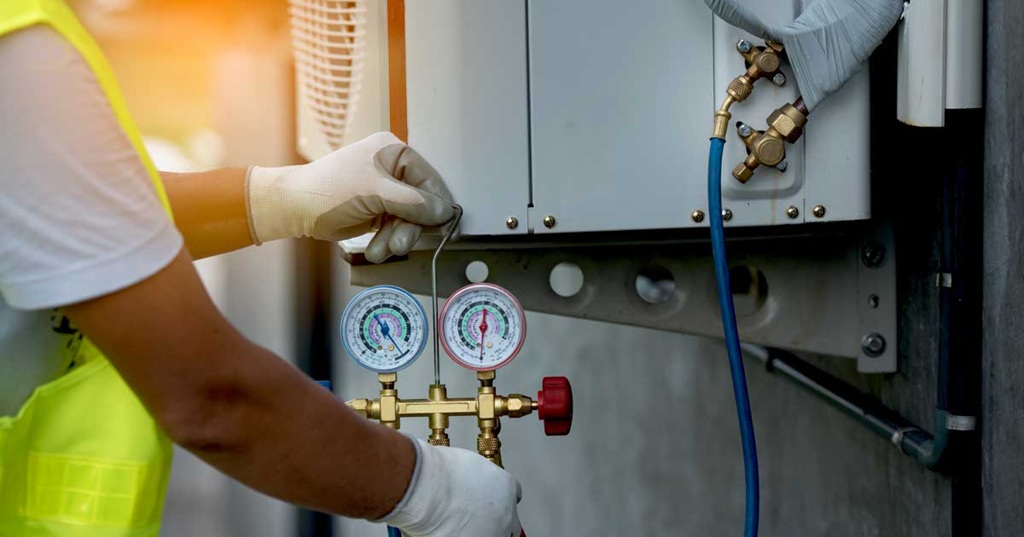
Refrigerant is the substance that absorbs and releases heat in your HVAC system. Low refrigerant levels can reduce efficiency and lead to system damage. A professional HVAC technician can check the refrigerant levels and add refrigerant as needed. Never attempt to add refrigerant yourself, as it requires specialized equipment and knowledge.
-
Outdoor Unit Inspection:
The outdoor unit is exposed to the elements and requires special attention. Clear away any debris, such as leaves, branches, or weeds, that may be obstructing airflow. Ensure that the unit is level and that the fan blades are undamaged. Clean the condenser coils regularly.
-
Professional Tune-Up:
Schedule a professional HVAC tune-up at least once a year. A qualified technician will perform a comprehensive inspection, cleaning, and testing of your system, identifying and addressing any potential issues. A professional tune-up ensures optimal performance, efficiency, and safety.
Related: How to Prepare Your Home for HVAC Installation
People Also Ask (FAQs):
-
How often should I change my HVAC filter?
- The frequency depends on the filter type and usage. Typically, disposable filters should be changed every 1-3 months.
-
Can I clean my HVAC coils myself?
- You can clean the condenser coils with a garden hose. However, evaporator coil cleaning is best left to a professional due to their delicate nature and location.
-
How do I know if my HVAC system needs refrigerant?
- Signs of low refrigerant include reduced cooling or heating, longer run times, and ice buildup on the coils. A professional HVAC technician can check the refrigerant levels.
-
What are the benefits of a professional HVAC tune-up?
- A professional tune-up ensures optimal performance, efficiency, safety, and prolongs the lifespan of your system.
-
How long does an HVAC system typically last?
- With proper maintenance, an HVAC system can last 15-20 years.
-
What are signs that my HVAC system is failing?
- Unusual noises, inconsistent temperatures, increased energy bills, frequent repairs, and older age are all signs your HVAC may be failing.
-
Can I replace my HVAC system myself?
- HVAC systems require specialized knowledge and tools. It is highly recommended to have a professional install or replace your HVAC system.
-
How do I prevent my HVAC system from freezing up?
- Change your air filters regularly, ensure proper airflow, and have a professional check your refrigerant levels.
-
What is the best temperature to set my thermostat in the summer?
- The U.S. Department of Energy recommends setting your thermostat to 78°F (25.5°C) in the summer for optimal energy efficiency.
-
What is the best temperature to set my thermostat in the winter?
- The U.S. Department of Energy recommends setting your thermostat to 68°F (20°C) in the winter for optimal energy efficiency.
Conclusion: Invest in Comfort and Efficiency
Regular HVAC maintenance is an investment in your comfort, safety, and financial well-being. By following the essential maintenance tasks outlined in this guide and scheduling annual professional tune-ups, you can ensure that your HVAC system operates efficiently, reliably, and safely for years to come. Don’t wait until your system breaks down. Take proactive steps to maintain your HVAC system and enjoy a comfortable and healthy indoor environment.