
Standing desks have transformed modern workspaces by offering health benefits and improved productivity. However, the high prices of premium models often discourage people from making the switch. The good news is that you can find a quality sit stand desk without emptying your wallet if you know where to look and what to prioritize.
Many people assume that affordable means poorly made or unreliable. This isn’t necessarily true. The market has evolved significantly, and manufacturers now offer budget-friendly options that deliver solid performance. Understanding which features matter most and which ones you can compromise on helps you make smart purchasing decisions.
This guide will show you how to identify a low cost standing desk that meets your needs without sacrificing essential quality. You’ll learn about different desk types, key features to prioritize, and money-saving strategies that don’t compromise functionality or durability.
Understanding Different Types of Standing Desks
Before diving into specific products, it’s important to understand the various standing desk categories available. Each type comes with different price points and trade-offs that affect both cost and quality.
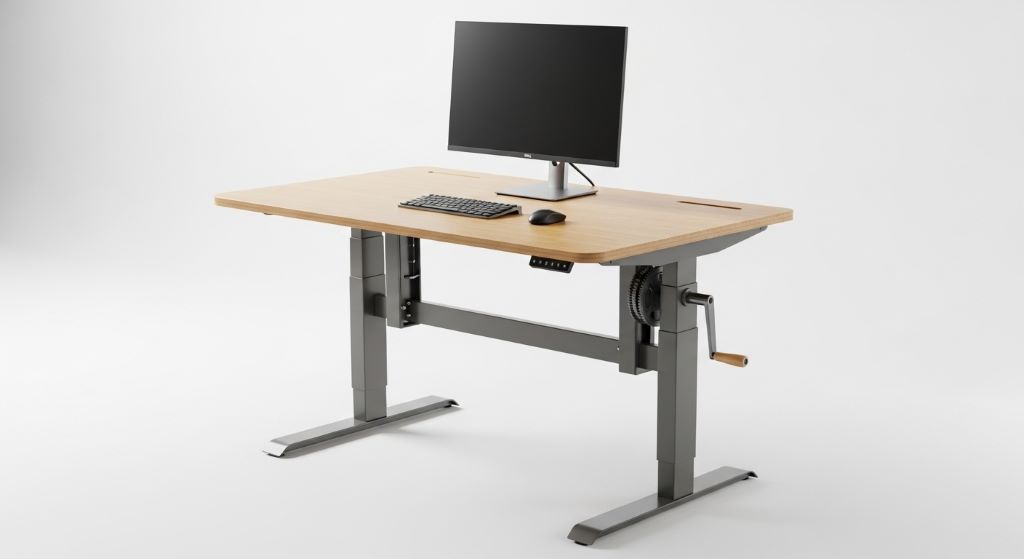
Manual crank desks require you to turn a handle to adjust the height. They’re among the most affordable options because they lack motors and electronic components. While this means more physical effort during adjustments, it also means fewer parts that can break. These desks work well if you don’t change positions frequently throughout the day.
Electric standing desks use motors to adjust height at the push of a button. They cost more than manual versions but offer superior convenience. However, entry level adjustable desk models with electric motors have become increasingly affordable as technology improves and competition increases.
Desktop converters sit on top of your existing desk and raise your monitor and keyboard to standing height. These units cost significantly less than full desks because they don’t replace your entire workspace. They’re ideal for renters or anyone who wants to test standing while working before committing to a full desk.
Fixed-height standing desks don’t adjust at all. You set them at one height permanently, either sitting or standing. While extremely affordable, they lack flexibility and aren’t true sit stand desks. They work only if you plan to stand all day or pair them with a tall stool.
Key Features That Impact Price and Quality
Not all features contribute equally to a desk’s value. Some expensive add-ons provide minimal benefit, while certain budget-friendly features prove essential for daily use.
Weight capacity determines how much your desk can safely support. Desks rated for 150 to 200 pounds handle most setups with a monitor, laptop, and accessories. Higher capacities cost more but aren’t necessary unless you have multiple monitors or heavy equipment.
Height range affects who can use the desk comfortably. Look for a range that accommodates your height both sitting and standing. Most people work well with desks that adjust from approximately 28 to 48 inches. Extremely wide ranges increase costs without benefiting average-height users.
Stability becomes crucial as desks rise higher. Wobbling at standing height makes typing uncomfortable and can damage equipment. Quality budget desks minimize wobble through good engineering rather than expensive materials. Test reviews and user feedback to identify stable options at lower price points.
Motor quality separates reliable electric desks from problematic ones. Single-motor desks cost less than dual-motor versions but may struggle with heavier loads or provide slower adjustments. For lighter setups, a single motor often performs adequately while keeping costs down.
Desktop material and size affect both price and functionality. Laminate tops cost less than solid wood but still provide durable surfaces. Smaller desktops reduce material costs, so choose the smallest size that accommodates your equipment comfortably.
Where to Find the Best Deals
Shopping strategically can save you hundreds of dollars without compromising on quality. Different retailers and timing can significantly impact what you pay for the same desk.
Online marketplaces offer competitive pricing due to lower overhead costs. Sites like Amazon, Wayfair, and specialized office furniture retailers frequently discount standing desks. However, compare prices across multiple sites because the same model often sells for different amounts.
Direct-to-consumer brands eliminate middlemen, passing savings to customers. These companies sell exclusively online and often provide quality comparable to expensive brands at much lower prices. Research newer brands that focus on affordable ergonomic furniture.
Holiday sales and promotional periods provide significant discounts. Black Friday, Cyber Monday, and back-to-school sales often feature standing desks at 20 to 40 percent off. Additionally, end-of-year clearances make room for new inventory at reduced prices.
Refurbished and open-box items offer substantial savings with minimal risk. Many retailers sell returned desks that have been inspected and certified. These products typically include full warranties despite lower prices. Check manufacturer outlets and large retailers for these options.
Used marketplaces like Facebook Marketplace, Craigslist, and OfferUp sometimes feature barely used standing desks at deep discounts. People often sell quality desks when moving or changing office setups. Inspect used desks carefully for damage and test all adjustment mechanisms before purchasing.
Essential Quality Indicators to Look For
Identifying quality in budget-friendly desks requires knowing which indicators matter most. These factors help you avoid poorly made products that will disappoint or fail quickly.
Frame construction determines long-term durability. Steel frames outlast cheaper materials and resist warping or bending. Even budget desks should use steel for the main structure. Check product specifications to confirm frame material before purchasing.
Warranty coverage reflects manufacturer confidence in their product. Reputable brands offer at least one year on frames and motors, even for budget models. Longer warranties indicate better quality, though they sometimes add cost. Prioritize desks with decent warranty protection over those with none.
User reviews provide real-world insights that marketing materials don’t reveal. Read multiple reviews focusing on long-term performance, stability, and customer service experiences. Patterns in reviews help identify common issues or confirm quality at specific price points.
Certification and testing ensure desks meet safety standards. Look for certifications like UL or BIFMA, which verify structural integrity and electrical safety. These certifications add minimal cost but confirm basic quality standards.
Assembly complexity can indicate manufacturing quality. Well-designed budget desks include clear instructions and pre-drilled holes that align properly. Excessive assembly difficulties often signal poor manufacturing tolerances that may affect long-term performance.
Features You Can Skip to Save Money
Understanding which premium features provide minimal practical benefit helps you avoid overpaying for unnecessary additions. These features look impressive but rarely justify their extra cost for most users.
Programmable memory settings store preferred heights electronically. While convenient, they’re unnecessary if you primarily switch between two positions. Manually adjusting to comfortable heights takes only seconds and works just as well.
Advanced cable management systems add cost without improving desk function. Simple cable clips or under-desk trays achieve the same organization at a fraction of the price. Many budget desks include basic cable routing that proves entirely adequate.
Premium desktop materials like bamboo or solid hardwood increase costs significantly. Laminate surfaces with realistic wood-grain finishes provide similar aesthetics and easier maintenance at much lower prices. Unless natural wood matters greatly to you, laminate represents better value.
Smartphone apps for desk control add technological sophistication but limited practical benefit. Physical control panels work perfectly well for height adjustment. App connectivity typically adds cost without meaningful functionality improvements.
Extended height ranges beyond standard limits serve very few users. Unless you’re exceptionally tall or short, paying extra for adjustment ranges beyond 28 to 48 inches provides no benefit. Standard ranges accommodate the vast majority of people comfortably.
Maximizing Value Through Smart Purchasing
Several strategies help you get more value from your standing desk investment without spending more money. These approaches focus on long-term satisfaction rather than just initial cost.
Measure your space carefully before shopping. Buying a desk that’s too large for your area leads to returns, wasted time, and potential restocking fees. Conversely, choosing too small a desk may force you to upgrade sooner. Accurate measurements ensure your first purchase fits properly.
Calculate total cost of ownership including shipping and assembly. Some seemingly cheap desks have expensive shipping or require professional assembly. Compare final costs including all fees to identify true bargains.
Start with basic models and add accessories gradually. You can always purchase monitor arms, keyboard trays, or organizers later as budget allows. Beginning with the essential desk keeps initial costs down while providing upgrade paths.
Consider size carefully based on actual needs rather than wanting the largest option. Smaller desks cost less and fit more spaces. If you use only a laptop and one monitor, a compact desk saves money without limiting functionality.
Research brand reputation through independent sources. Some lesser-known brands deliver quality comparable to expensive names. Online communities and review sites help identify hidden gems that provide excellent value.
DIY and Alternative Solutions
Creative approaches to standing while working can provide benefits at even lower costs than budget commercial desks. These solutions work well for trying the standing desk lifestyle before investing significantly.
Desktop risers made from sturdy boxes or crates offer free standing options using materials you already own. While not adjustable or attractive, they let you experiment with standing positions at zero cost. This approach helps you determine whether standing desks suit you before purchasing.
Build-your-own kits from hardware stores provide customizable solutions at moderate cost. With basic tools and skills, you can assemble a simple standing desk using desk legs and a pre-cut tabletop. This approach offers personalization and potentially higher quality than comparable ready-made options.
Adjustable height furniture not marketed as standing desks sometimes costs less while providing similar functionality. Adjustable workbenches or drafting tables can serve as standing desks at lower prices. Check industrial furniture suppliers for affordable alternatives.
Combine a regular desk with a tall stool to alternate positions without a true adjustable desk. This compromise costs almost nothing and provides some standing time benefits. While less convenient than proper sit stand desks, it works as a temporary or budget solution.
Making Your Budget Desk Last Longer
Proper care and maintenance extend the life of any standing desk, making your budget choice perform better over time. These practices protect your investment and delay replacement needs.
Follow weight limits strictly to prevent frame damage. Overloading desks causes motors to fail prematurely and frames to bend. Keep your setup within rated capacity, leaving some margin for safety.
Adjust your desk smoothly rather than rushing movements. Rapid height changes stress motors and mechanical components. Taking a few extra seconds for adjustments reduces wear and prevents damage.
Clean and maintain moving parts regularly. Dust and debris in tracks or mechanisms cause friction and premature wear. Periodic cleaning with appropriate products keeps everything moving smoothly.
Tighten screws and bolts periodically as vibration can loosen connections over time. Quarterly checks take only minutes but prevent wobbling and structural issues. Keep an Allen wrench set handy for quick maintenance.
Use your desk on level flooring whenever possible. Uneven surfaces stress frames unevenly and can cause alignment problems. Adjustable feet on many desks help compensate for minor floor irregularities.
Conclusion
Finding a cheap sit stand desk without sacrificing quality is entirely possible with the right approach. Focus on essential features like stability, adequate height range, and solid construction while skipping unnecessary premium additions. Understanding the difference between various desk types helps you choose options that fit your budget and needs.
Shopping strategically during sales, considering direct-to-consumer brands, and exploring refurbished options can save significant money. Additionally, knowing which features provide real value versus those that simply increase cost helps you make informed decisions.
Remember that a low cost standing desk doesn’t mean low quality if you research carefully and prioritize the right features. Many entry level adjustable desk models perform excellently for years when properly maintained and used within their design parameters.
Start by clearly defining your needs, set a realistic budget, and research options thoroughly. With patience and smart shopping, you’ll find a standing desk that improves your workspace without straining your finances.
Frequently Asked Questions
What’s the minimum I should expect to spend on a quality standing desk?
Quality manual standing desks start around 200 to 250 dollars, while reliable electric models begin at approximately 300 to 400 dollars. Desktop converters cost even less, starting around 100 to 150 dollars. Prices below these ranges often indicate compromises in stability, durability, or weight capacity. However, sales and promotions can bring quality options below typical minimum prices.
Are manual standing desks worth considering to save money?
Manual standing desks work excellently if you don’t adjust height frequently throughout the day. They’re more affordable, have fewer parts to break, and require no electricity. The main downside is the physical effort required for adjustments. If you plan to change positions once or twice daily rather than multiple times per hour, manual desks provide great value.
How can I test if a standing desk is stable enough before buying?
Read detailed user reviews focusing on stability comments, especially from people with similar monitor setups. Look for reviews mentioning typing at full height, as this reveals real-world stability. Video reviews often show wobble during typing tests. Additionally, check if the desk has a steel frame and adequate weight rating for your equipment.
Is it better to buy a cheap new desk or an expensive used one?
This depends on warranty coverage and condition. A used premium desk without warranty carries risk if problems develop. However, gently used quality desks often outlast new budget options. Inspect used desks carefully, test all functions, and verify the seller’s return policy. For online purchases without testing opportunities, new budget desks with warranties offer more security.
Can I upgrade a budget standing desk later with better components?
Desktop surfaces can typically be upgraded easily by purchasing a new top and swapping it onto your existing frame. However, motors, controls, and structural components are usually not user-replaceable. Choose a desk with a good frame and motor initially, as these core components determine long-term reliability. You can always upgrade accessories like monitor arms or keyboard trays.
Related Topics:
Navigating the Future of Work: Home Office Trends Shaping 2025
Desk Cable Management Ideas: Transform Your Workspace into a Tidy, Productive Haven