
Starting a garden can feel overwhelming. There are so many choices to make. However, the right tools can make everything easier. When you have simple garden tools in hand, even a beginner can feel confident. This guide will walk you through everything you need to know. You will learn which tools to use, how to use them, and why they matter.
Gardening is one of the most rewarding hobbies you can have. It connects you to nature. It also gives you a sense of accomplishment. Additionally, it can save you money on fresh produce. The key is starting smart. That means choosing the right gear from the very beginning.
Why the Right Tools Make a Big Difference
Many new gardeners make the same mistake. They either buy too many tools or choose the wrong ones. Therefore, it is important to understand what you truly need. The right tools reduce strain on your body. They also help you work faster and more effectively.
Cheap or poorly made tools can break quickly. They may also cause blisters or muscle pain. On the other hand, quality tools that are designed for ease of use will last for years. Investing in beginner-friendly gardening gear from the start saves you money and frustration in the long run.
You do not need a shed full of equipment to get started. In fact, a small set of well-chosen tools is all you need. Focus on versatility. Look for tools that can do more than one job. This approach keeps things simple and affordable.
The Essential Tools Every Beginner Needs
Let us start with the basics. These are the tools that will cover most gardening tasks. They are easy to find in stores and online. Moreover, they are built to be comfortable and straightforward to use.
A Good Hand Trowel
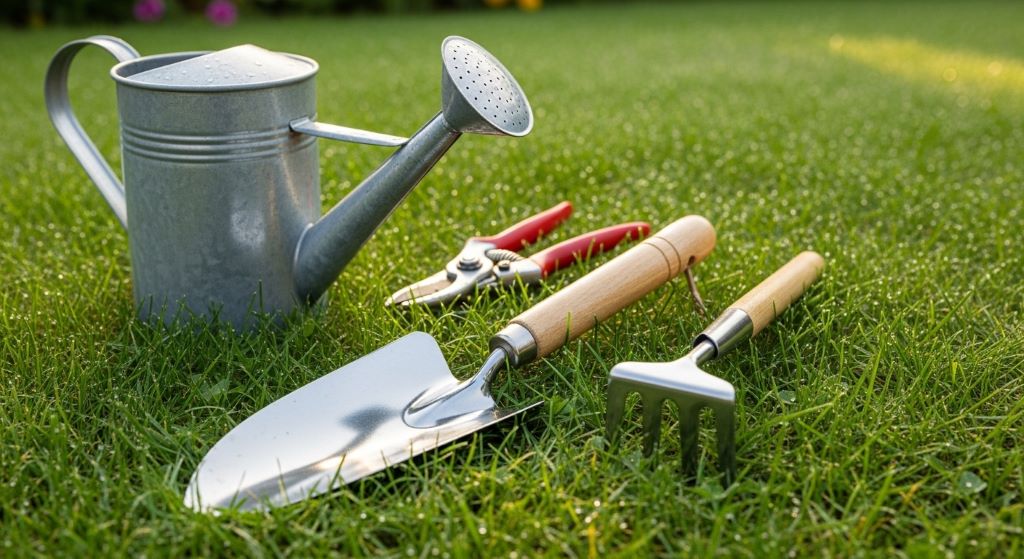
A hand trowel is the most important tool for any gardener. It looks like a small shovel. You use it to dig small holes for planting seeds or seedlings. It is also great for removing weeds. Look for one with a comfortable rubber grip. A stainless steel blade will not rust. This tool fits in your hand easily, so it is not tiring to use.
A Garden Fork
A garden fork has several pointed prongs. You use it to break up and loosen soil. This is very important before planting. Hard, compacted soil is difficult for roots to grow in. However, once you loosen it with a fork, roots can spread freely. Choose a fork with a long handle to avoid bending over too much.
A Watering Can or Hose
Plants need water to survive. A watering can is perfect for small gardens or potted plants. A garden hose with an adjustable nozzle works better for larger spaces. Choose one that is easy to carry when full. A lightweight plastic watering can is a great option for beginners. It gives you good control over how much water you use.
Pruning Shears
Pruning shears are like scissors for plants. You use them to trim dead leaves, cut back overgrown stems, and shape bushes. Sharp pruning shears make clean cuts. Clean cuts help plants heal faster. Always clean your shears after use to prevent spreading plant diseases.
A Rake
A rake has a long handle and a flat head with teeth. You use it to gather leaves, level soil, and remove debris. It is very useful for keeping your garden tidy. A lightweight rake is easier to manage, especially for beginners.
How to Use Each Tool Correctly
Knowing which tool to use is only half the battle. You also need to know how to use each one properly. Using tools correctly protects your garden and your body.
Using a Hand Trowel
Hold the trowel firmly in your dominant hand. Push it into the soil at an angle. Scoop out the dirt and set it aside. Dig only as deep as the plant needs. For most seedlings, a hole that is two to three inches deep is enough. After planting, gently press the soil around the roots to remove air pockets.
Using a Garden Fork
Push the fork straight into the soil. Use your foot to apply pressure if the ground is hard. Then pull the handle backward to lift and turn the soil. Repeat this process across the area you plan to plant. This breaks up large clumps and creates a loose, airy bed for seeds and roots.
Watering Wisely
Always water at the base of the plant, not the leaves. Wet leaves can lead to mold or disease. Water in the early morning when possible. This gives plants time to absorb moisture before the sun gets hot. Additionally, check the soil before watering. If it feels moist an inch below the surface, the plant does not need more water yet.
Pruning with Care
Cut just above a leaf node when trimming stems. A leaf node is the point where a leaf meets the stem. This encourages new growth in the right direction. Do not cut too close to the main stem. Leave a small section intact. Always make sure your shears are sharp. Dull blades crush plant tissue instead of cutting it cleanly.
Caring for Your Tools So They Last Longer
Good tools need good care. Therefore, always clean your tools after each use. Wipe off dirt with a dry cloth. For metal parts, a light coat of oil prevents rust. Store tools in a dry place, such as a shed or garage. Hanging them on a wall rack keeps the blades from getting damaged.
Check your tools at the start of each gardening season. Look for signs of rust, cracking, or loose handles. A cracked handle can be dangerous. Replace damaged tools promptly. Sharpening blades once or twice a year also keeps them working well. You can use a sharpening stone or take them to a hardware store.
Proper maintenance is simple and takes very little time. However, it makes a huge difference in tool performance. Well-maintained tools feel better in your hands and get the job done more efficiently.
Tips for Buying Gardening Tools on a Budget
You do not have to spend a lot of money to get good tools. There are many ways to find quality gear at lower prices. First, check local garden centers during end-of-season sales. Prices drop significantly after summer. Additionally, thrift stores and garage sales often have used tools in great condition.
Online marketplaces are also a good source. You can find nearly new tools at a fraction of the retail price. However, always inspect the condition before buying used tools. Look for solid handles and blades without deep rust.
Another smart strategy is to buy a starter kit. Many garden stores sell sets that include the most essential tools together. These kits are often cheaper than buying each tool separately. Furthermore, they are designed to work well together, making them ideal for new gardeners.
Making Your Garden Setup Comfortable and Efficient
Comfort matters a lot in gardening. If you are uncomfortable, you will not enjoy the experience. Therefore, choose tools with ergonomic handles. These are shaped to fit naturally in your hand. They reduce the strain on your wrist and forearm.
A kneeling pad is another great addition. Kneeling on bare ground can hurt your knees. A foam pad provides cushioning and makes tasks at ground level much easier. Some pads even convert into a small seat.
Gloves are also essential. They protect your hands from cuts, blisters, and soil. Choose gloves that fit snugly but still allow you to grip tools firmly. Thin rubber-coated gloves work well for most gardening tasks. They keep your hands dry while still letting you feel what you are doing.
When you combine the right simple garden tools with proper technique and good habits, gardening becomes a joy rather than a chore. Everything works together to create a smooth and successful experience.
Building Good Gardening Habits from Day One
Tools alone will not make you a great gardener. You also need good habits. Start by planning your garden before you plant anything. Decide what you want to grow. Research how much sun and water each plant needs. This will help you place them in the right spots.
Keep a simple garden journal. Write down what you plant, when you plant it, and how it grows. This helps you track your progress. Over time, you will learn what works best in your specific climate and soil.
Also, spend a little time in the garden each day. Even ten minutes of observation is valuable. You will notice problems early, such as pests, disease, or overwatering. Early action is always easier than dealing with a large problem later.
Additionally, do not be afraid to make mistakes. Every gardener, no matter how experienced, makes them. The important thing is to learn from them. Gardening is a process, not a one-time event. Each season teaches you something new.
Conclusion
Getting started in gardening is easier than you might think. The key is choosing the right tools and learning how to use them well. A hand trowel, garden fork, watering can, pruning shears, and a rake are all you need to begin. These simple garden tools cover the most important gardening tasks.
Take care of your tools and they will take care of your garden. Invest in comfort, from ergonomic handles to kneeling pads and good gloves. Build strong habits like planning, journaling, and daily observation. These practices will set you up for long-term success.
Remember, every expert gardener was once a beginner. With the right beginner-friendly gardening gear and a willingness to learn, you are already on the right path. Get your hands in the soil, enjoy the process, and watch your garden grow.
Frequently Asked Questions
1. What is the most important gardening tool for beginners?
The hand trowel is often considered the most essential tool for beginners. It is versatile, easy to use, and handles a wide range of tasks. You can use it for planting, weeding, and transplanting seedlings. It is small, affordable, and fits comfortably in your hand.
2. How do I choose the right tool size for my body?
Always pick tools that match your height and strength. Long-handled tools are better for tall people, as they reduce bending. Shorter handles give more control for close-up work. Hold the tool in the store before buying it. It should feel balanced and comfortable in your grip.
3. How often should I sharpen my gardening tools?
Most gardening tools benefit from sharpening once or twice a year. Pruning shears and hoes tend to dull the fastest. A sharp tool is safer and more efficient. You can use a handheld sharpening stone or a metal file. Always follow the original angle of the blade when sharpening.
4. Can I start gardening with just a few tools?
Yes, absolutely. Many successful gardeners start with just three or four basic tools. A trowel, a watering can, and a pair of pruning shears will cover most tasks. You can always add more tools as your garden grows and your needs change. Starting small also helps you avoid feeling overwhelmed.
5. What material is best for gardening tool handles?
Wood and fibreglass are the two most common materials for tool handles. Wood feels natural and absorbs vibration well. However, it can crack if left in wet conditions. Fibreglass is more durable and weather resistant. For beginners, a fibreglass handle with a rubber grip is often the best choice for durability and comfort.
Related Topics:
Digging Deep: Unearthing the Most Popular Home Gardening Method in Today’s World
Fixing Yellow Leaves on Ornamental Plants: The Ultimate Guide to Reviving Your Garden’s Beauty