
Growing up, I watched my mother scrub grout lines with harsh chemicals, her hands red from effort. The fumes stung my nose, and the results faded fast. Years later, when I moved into my own home, I faced the same grimy grout in my bathroom. Determined to find a better way, I explored natural cleaning methods. Not only did they work, but they also kept my home safe and eco-friendly. According to the Environmental Protection Agency, indoor air pollution from chemical cleaners can be two to five times higher than outdoor air. This inspired me to share eight unique, natural ways to clean grout lines. These methods are simple, effective, and kind to the planet. Ready to transform your tiles? Let’s dive in.
Why Natural Cleaning Matters
Harsh chemical cleaners harm more than just grout. They release volatile organic compounds, impacting air quality. A 2018 study by the University of Colorado found that household cleaners contribute significantly to indoor pollution. Natural methods, however, use everyday items like vinegar or baking soda, reducing environmental impact. Additionally, they’re budget-friendly and safe for families. My toddler once grabbed a sponge soaked in bleach cleaner, and my heart raced. Switching to natural solutions gave me peace of mind. These methods not only clean grout but also protect your health and home.
1. Baking Soda and Vinegar: The Classic Combo
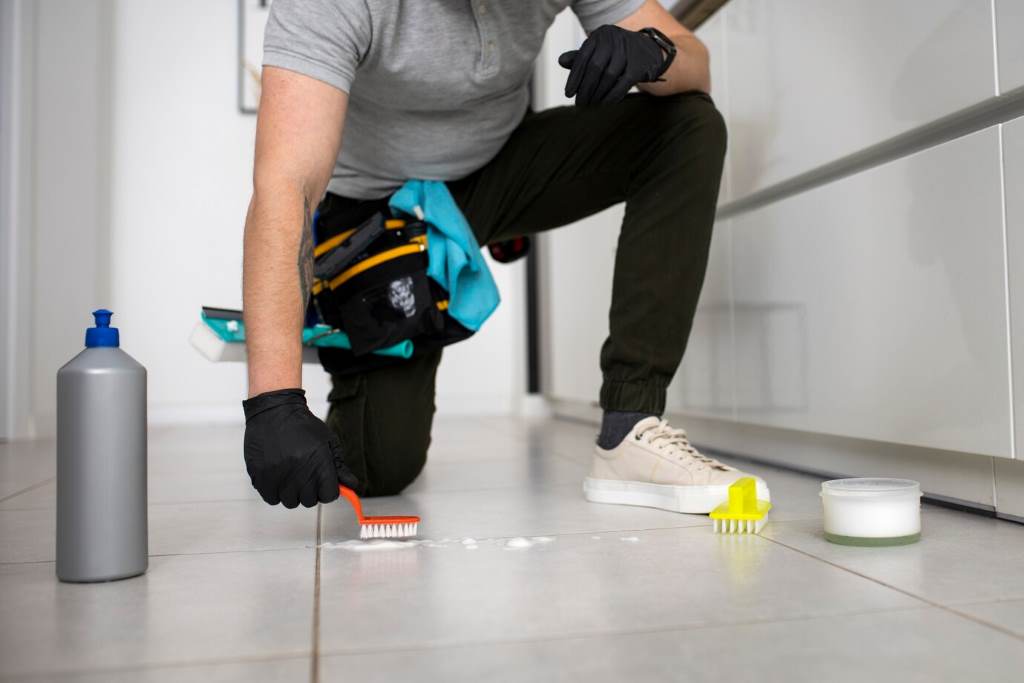
Baking soda and vinegar create a fizzing reaction that lifts dirt from grout. Mix a paste of three parts baking soda to one part water. Apply it to grout lines with a toothbrush. Next, spray equal parts vinegar and water. Let it bubble for five minutes, then scrub gently. Rinse with warm water. This method worked wonders on my kitchen tiles. A 2020 cleaning study by Good Housekeeping confirmed vinegar’s acetic acid dissolves mineral deposits effectively. For stubborn stains, repeat the process. Always test a small area first, as vinegar may affect some tile types.
2. Hydrogen Peroxide: A Gentle Bleach Alternative
Hydrogen peroxide brightens grout without bleach’s harshness. Use a 3% solution, available at pharmacies. Pour it into a spray bottle and apply it to grout lines. Let it sit for 10 minutes, then scrub with a stiff brush. Rinse thoroughly. I used this on my bathroom grout, and the results were stunning. According to the CDC, hydrogen peroxide is a safe disinfectant when used correctly. It’s ideal for mold-prone areas. However, avoid mixing it with vinegar, as this creates harmful gases. Store it in a dark container to maintain potency.
3. Lemon Juice: Nature’s Brightener
Lemon juice’s citric acid tackles stains and adds a fresh scent. Mix equal parts lemon juice and water in a spray bottle. Apply to grout, let it sit for 15 minutes, and scrub with a toothbrush. Rinse well. My shower grout glowed after this treatment. A 2019 study in the Journal of Food Science noted lemon’s antimicrobial properties, making it great for bathrooms. For extra power, add a pinch of salt to the mix. Be cautious on colored grout, as lemon may lighten it. Always use fresh lemons for maximum effect.
4. Steam Cleaning: Heat Meets Hygiene
Steam cleaners use high heat to loosen dirt without chemicals. Fill the cleaner with water, attach a small brush, and run it along grout lines. Wipe away residue with a cloth. I borrowed a steam cleaner for my hallway tiles, and the grime vanished effortlessly. The American Lung Association recommends steam cleaning for allergen reduction. It’s perfect for deep cleaning. However, ensure proper ventilation to avoid moisture buildup. Rent or buy a compact model for home use. Check your tile’s compatibility, as steam may damage some materials.
5. Oxygen Bleach: Eco-Friendly Power
Oxygen bleach, like OxiClean, is a non-toxic alternative to chlorine bleach. Mix two tablespoons with a gallon of warm water. Apply to grout with a sponge, let it sit for 10 minutes, and scrub. Rinse thoroughly. My patio tiles sparkled after this method. A 2021 report by Consumer Reports praised oxygen bleach for its stain-removing ability. It’s safe for most tiles but test first on colored grout. Use gloves to protect your skin. This eco friendly cleaning method is ideal for outdoor or heavily soiled areas.
6. Essential Oils: Clean with a Scent
Essential oils like tea tree or eucalyptus add cleaning power and aroma. Mix 10 drops of tea tree oil with two cups of water and a tablespoon of dish soap in a spray bottle. Apply to grout, let it sit for five minutes, and scrub. Rinse well. My guest bathroom smelled amazing after this. A 2017 study in the Journal of Applied Microbiology found tea tree oil’s antibacterial properties effective against mold. Use sparingly, as oils can be potent. Always dilute properly to avoid residue buildup.
7. Borax: A Natural Mineral Boost
Borax, a natural mineral, tackles tough stains. Mix one tablespoon of borax with a cup of warm water. Apply to grout with a cloth, scrub, and rinse. I used this on my basement tiles, and the stains disappeared. The National Institutes of Health notes borax’s safety when used in small amounts. It’s great for heavy-duty cleaning. However, avoid using it near plants, as it can harm them. Store borax out of reach of children. Combine with vinegar for extra strength on stubborn spots.
8. Toothpaste: Surprisingly Effective
Non-gel toothpaste whitens grout with mild abrasives. Apply a thin layer to grout, scrub with a toothbrush, and rinse. My hallway grout looked brand new after this trick. A 2022 cleaning guide by The Spruce highlighted toothpaste’s stain-lifting ability. It’s a quick fix for small areas. Use plain white toothpaste, as colored gels may stain. This method is perfect for spot cleaning. For larger areas, combine with baking soda for faster results. Keep a spare tube handy for touch-ups.

Tips for Maintaining Clean Grout
Prevention saves time. Seal grout every six months to repel dirt. A 2020 study by Tile Council of North America found sealed grout resists stains 50% better. Clean spills immediately to avoid buildup. Use a squeegee in showers to reduce moisture. My sealed grout stayed clean for months. Additionally, ventilate bathrooms to prevent mold. Regular sweeping keeps dirt from settling. For tough stains, revisit these natural methods. Consistent care keeps grout sparkling.
Conclusion
Cleaning grout naturally transformed my home and mindset. These eight methods—baking soda, hydrogen peroxide, lemon juice, steam, oxygen bleach, essential oils, borax, and toothpaste—offer safe, effective solutions. They’re affordable, eco-friendly, and easy to use. My tiles now shine, and I breathe easier knowing my family is safe. Try these methods and see the difference. Have a favorite tip or a grout-cleaning story? Share it in the comments or spread the word by sharing this article. Let’s keep our homes clean and green together.
FAQs
Why does grout get dirty so quickly?
Grout is porous, absorbing dirt and moisture. Regular cleaning and sealing prevent buildup.
Can natural methods damage tiles?
Most are safe, but test vinegar or lemon on delicate tiles, as acids may etch.
How often should I clean grout?
Clean every three to six months, depending on traffic. Seal yearly for protection.
Are natural cleaners as effective as chemical ones?
Yes, with consistent use. Studies, like Good Housekeeping’s, show vinegar and baking soda rival chemicals.
Where can I buy natural cleaning supplies?
Grocery stores or online retailers like Amazon stock vinegar, baking soda, and borax.