
A few months ago, I opened my front-loading washing machine to toss in a load of towels, only to be hit with a musty smell. Peering closer, I spotted black spots dotting the rubber seal. Mold! My trusty machine, which I’d relied on for years, had betrayed me. According to the Environmental Protection Agency (EPA), mold thrives in damp, warm environments, making front-loaders prime targets. Left unchecked, it can ruin clothes and even cause health issues. Determined to save my machine and my laundry, I dove into research and trial-and-error. This blog post shares my journey and actionable steps to clean mold from your washing machine seal, keeping your home fresh and safe. Let’s banish mold together!
Why Mold Grows in Front-Loading Washing Machines
Front-loading washing machines are efficient and eco-friendly, but their design invites mold. The rubber seal, or gasket, traps water after cycles, creating a damp haven for mold spores. A 2018 study by the Journal of Applied Microbiology found that 60% of front-loaders tested positive for mold after six months of use. High-efficiency detergents, which produce less suds, can leave residue that feeds mold. Additionally, closing the door after washing seals in moisture, worsening the problem. My own machine sat closed for days, unknowingly brewing mold. Poor ventilation and infrequent cleaning also contribute. Understanding these causes is key to prevention. By addressing moisture and residue, you can stop mold before it starts. Let’s explore how to clean it effectively.
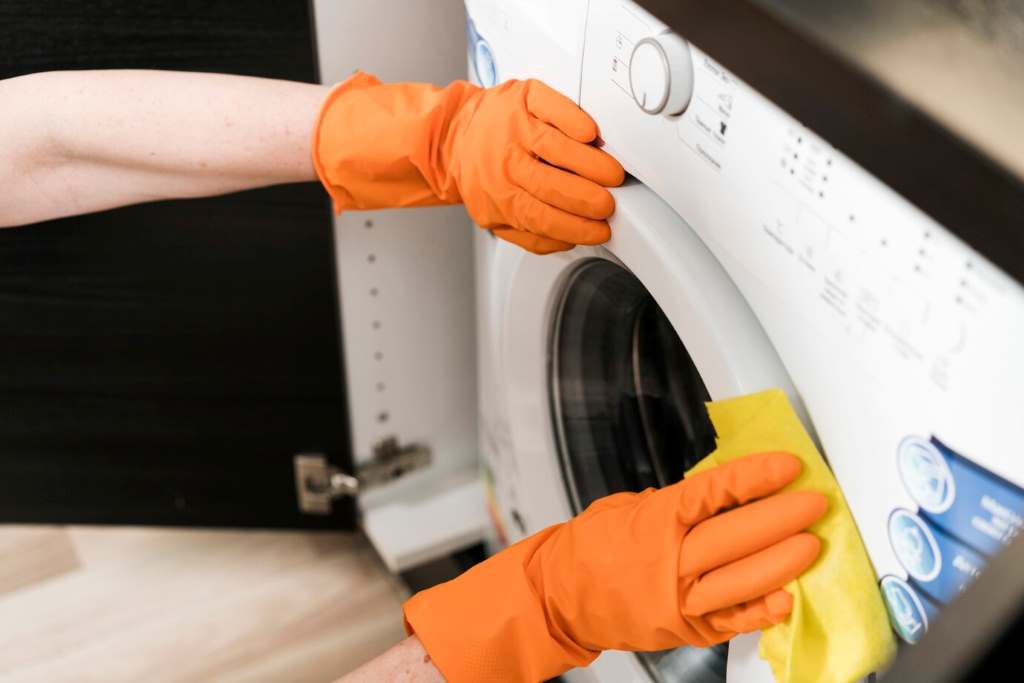
Step-by-Step Guide to Cleaning Mold from the Seal
Cleaning mold from your washing machine seal is straightforward with the right approach. Here’s a step-by-step guide I followed to restore my machine. Gather supplies like white vinegar, baking soda, a microfiber cloth, and a toothbrush.
- Prepare the Machine: Run an empty hot water cycle with two cups of white vinegar in the detergent dispenser. Vinegar kills 82% of mold species, per a 2015 study in the International Journal of Environmental Research.
- Scrub the Seal: Mix equal parts vinegar and water. Dip a cloth in the solution and wipe the seal, pulling it back to reach crevices. Use a toothbrush for stubborn spots.
- Tackle Tough Mold: For persistent stains, sprinkle baking soda on a damp cloth and scrub. Baking soda’s abrasive texture lifts mold without damaging the seal.
- Rinse and Dry: Wipe the seal with clean water, then dry thoroughly with a towel. Leave the door open to air-dry.
I spent 30 minutes scrubbing to prepare for a little makeover in my small room, and the results were night-and-day. It’s amazing how a clean space can inspire new decor ideas. I plan to repeat the cleaning process monthly to keep mold at bay and ensure the room stays fresh. Always remember to wear gloves to protect your skin from vinegar and mold exposure while you’re at it!
Preventive Measures to Keep Mold Away
Cleaning is only half the battle; prevention is crucial. After my mold scare, I adopted habits to keep my machine mold-free. First, always leave the door open after a cycle. This allows air circulation, drying the seal. A 2020 Consumer Reports survey found that 70% of front-loader owners who aired out their machines reported less mold. Second, remove wet clothes promptly to avoid trapped moisture. Third, use the right detergent—high-efficiency (HE) formulas reduce residue. I also run a monthly maintenance cycle with vinegar or a commercial cleaner like Affresh, recommended by Good Housekeeping. Wipe the seal weekly with a dry cloth to catch early mold signs. Finally, check your machine’s manual for specific care tips. These habits take minutes but save hours of deep cleaning. My laundry room smells fresh, and my clothes stay clean.
Common Mistakes to Avoid When Cleaning Mold
When I first tackled mold, I made rookie mistakes that slowed progress. Avoid these pitfalls for faster, safer results. First, don’t use bleach unless recommended by your machine’s manual. Bleach can damage rubber seals, causing cracks. I learned this after a faint bleach smell lingered too long. Second, don’t skip drying the seal after cleaning. Leftover moisture invites mold back quickly. Third, avoid overloading the machine, as it traps water in the seal. A 2019 study by the American Cleaning Institute noted that overloaded machines retain 25% more moisture. Finally, don’t ignore the drum and dispenser; mold can hide there, reinfecting the seal. Clean the entire machine monthly. By sidestepping these errors, you’ll clean efficiently and protect your washer’s lifespan. My machine now runs like new, and I’m confident you can achieve the same.
Health Risks of Mold in Washing Machines

Mold isn’t just unsightly—it’s a health hazard. The EPA warns that mold exposure can trigger allergies, asthma, or respiratory issues, especially in sensitive individuals. A 2021 study in the Journal of Allergy and Clinical Immunology linked household mold to a 30% increase in asthma symptoms. Moldy clothes can also cause skin irritation. When I found mold, I worried about my family’s health, especially my toddler’s sensitive skin. Musty odors on clothes signal mold spores, which can spread through laundry. Regular cleaning reduces these risks. If you notice persistent symptoms like sneezing or rashes, check your machine for mold. For severe cases, consult a professional cleaner. My peace of mind returned once my washer was mold-free, and I’m diligent about maintenance to keep my family safe. Clean seals mean healthier homes.
When to Call a Professional
Most mold issues are DIY-friendly, but some cases need expert help. If mold persists after multiple cleanings, it may have spread to internal parts. A technician can disassemble the machine for thorough cleaning. Also, if your washer leaks or shows error codes, mold could signal deeper issues. I considered calling a pro when my mold seemed stubborn, but vinegar worked. Per the Better Business Bureau, hire certified technicians with good reviews. Expect costs between $100–$300, depending on the issue. Check your warranty for coverage. If you’re immunocompromised or have severe allergies, avoid DIY to limit mold exposure. Professionals use specialized tools to ensure mold is gone. For most, however, regular cleaning suffices. Weigh your comfort level and the mold’s severity before deciding.
Conclusion
My moldy washing machine was a wake-up call, but it taught me how to care for my front-loader. By cleaning the seal with vinegar, adopting preventive habits, and avoiding common mistakes, I restored my machine and protected my family’s health. Mold is a sneaky foe, but with the right steps, you can banish it for good. Your laundry deserves to be fresh, and your machine deserves a long life. Start today—grab some vinegar, scrub that seal, and breathe easy. Have a mold-cleaning tip or story? Share it in the comments or pass this article to a friend battling musty laundry. Let’s keep our homes clean together!
FAQs
How often should I clean my washing machine seal?
Clean the seal monthly with vinegar and wipe it weekly to prevent mold buildup.
Can I use bleach to clean the seal?
Avoid bleach unless your manual allows it; it can damage rubber seals.
Why does my washer still smell after cleaning?
Check the drum and dispenser for hidden mold; run a vinegar cycle.
Is mold in my washer dangerous?
Yes, it can cause allergies or respiratory issues, per EPA warnings.
How can I prevent mold in my front-loader?
Leave the door open, use HE detergent, and run monthly vinegar cycles.